 Bradenton
 Custom Decks Built for Southgate's Climate and Lot Layouts
Southgate homeowners in Bradenton know their outdoor living space works hard. Between the long, humid summers, the intense year-round UV, and the sudden downpours that roll through Manatee County almost every afternoon in season, a deck here has a tougher job than one in almost any other part of the country. A deck that was built without those conditions in mind will show it within a few seasons — cupped boards, rusted fasteners, loose railings, or a surface that gets uncomfortably hot underfoot by midday.
We build and install custom decks specifically with this environment in mind. That means choosing materials and construction details that hold up to sun, moisture, and salt-laden air rather than just following a generic build spec. A deck project here isn't about picking a nice-looking material and nailing it down — it's about understanding how Gulf Coast weather interacts with wood, fasteners, footings, and finishes over years, not months.
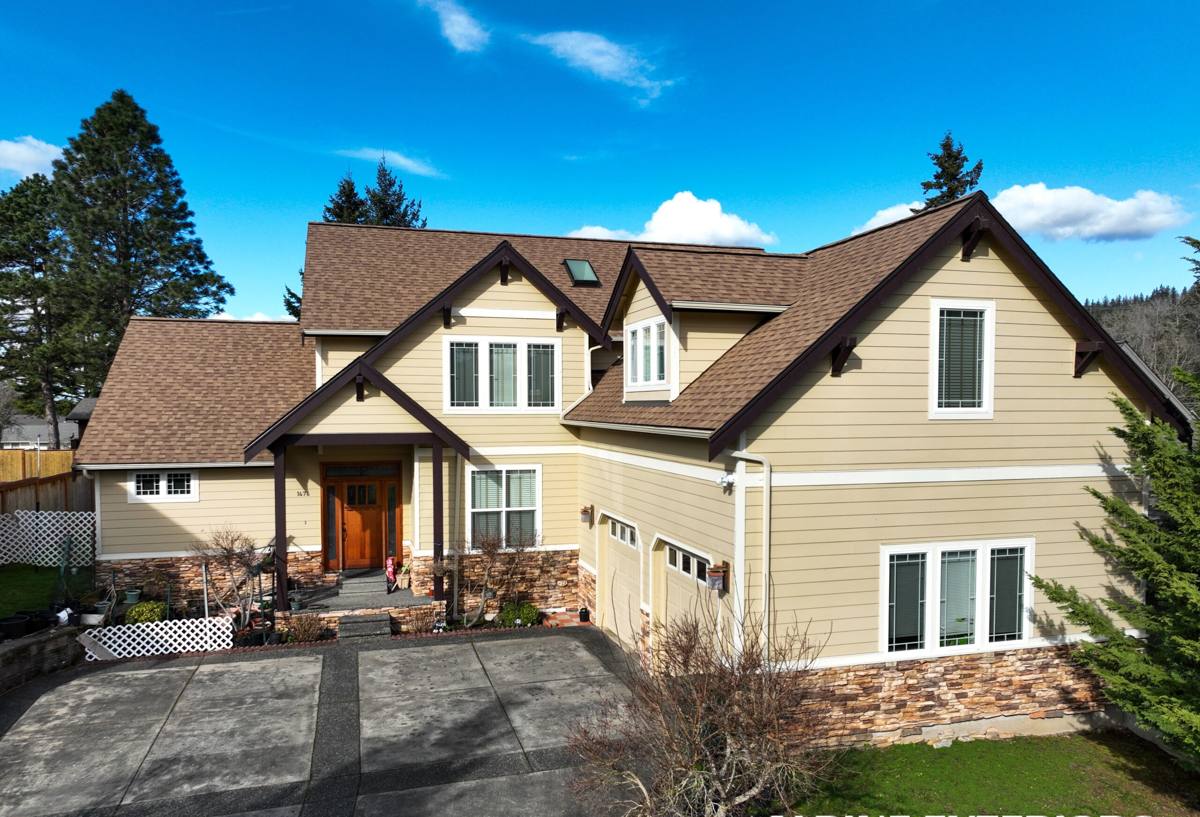
What Southgate Homes Actually Need From a Deck
Southgate's mix of established single-family homes means we see a range of deck needs — from small rear patios off a Florida room to larger multi-level decks built for entertaining. Regardless of size, a few climate realities shape every design decision we make in this area:
- UV exposure breaks down lower-grade wood finishes and can fade or embrittle certain composite products faster than manufacturers advertise in cooler climates.
- Wind-driven rain gets pushed sideways during storms, meaning water intrusion points aren't just on the horizontal deck surface — they're at ledger connections, post bases, and any spot where the deck meets the house.
- Salt air, even well inland from the coast, accelerates corrosion on standard fasteners and hardware over time, which is one of the most common hidden failure points we find on older decks.
- Hurricane-force wind loads mean structural connections — not just the decking surface — have to be engineered and fastened correctly, since Florida Building Code requirements around wind uplift and attachment are not optional extras.
- Heat underfoot is a comfort issue, not just a durability one — board color and material choice affect how usable a deck actually is on a July afternoon.
A deck that ignores any one of these factors might look fine on installation day and still cause problems well before it should.
Getting the Structure Right Before the Surface
Footings and Framing
Everything visible on a deck sits on top of a structural frame that has to handle both vertical load and lateral wind forces. In this part of Florida, that means footings sized and set to local frost-free but shifting sandy soils, posts properly anchored rather than just set in concrete, and joist spacing tightened up where span tables allow for it, not just the minimum. We also pay close attention to the ledger board connection — the point where a deck attaches to the house — since a poorly flashed or under-fastened ledger is one of the most common causes of deck failures nationwide, and even more so where wind-driven rain is a regular occurrence.
Fasteners and Hardware
We use corrosion-resistant, coated or stainless fasteners and structural hardware rated for the coastal-influenced air common throughout Bradenton and Manatee County. Standard hardware store fasteners are often not rated for this kind of long-term exposure, and using them is one of the most common shortcuts that leads to early hardware failure — stains, streaking, and eventually loosened connections.
Wind Rating and Code Compliance
Every custom deck we build is designed and attached to meet Florida Building Code requirements for wind resistance, including proper post-to-beam and beam-to-joist connections rated for uplift, not just gravity load. This isn't an upsell — it's the baseline standard we hold every project to, because a deck that isn't properly anchored is a genuine safety risk once storm-force winds arrive.
Choosing the Right Decking Material for Southgate
There's no single "best" decking material for every home — the right choice depends on budget, maintenance appetite, and how the space will be used. Here's how the common options compare for this climate specifically:
| Material | Sun & Heat Behavior | Moisture Handling | Maintenance |
|---|---|---|---|
| Pressure-treated wood | Fades and can check/splinter without regular refinishing | Good if sealed and maintained; prone to cupping if neglected | Annual cleaning and resealing |
| Composite decking | Stays cooler with lighter colors; darker boards get hot | Excellent — resists rot and moisture absorption | Low; occasional washing |
| Tropical hardwoods | Naturally dense, holds up well to sun with occasional oiling | Very good natural moisture resistance | Periodic oiling for appearance |
| PVC decking | Very stable in heat; some products can get noticeably warm | Excellent — fully moisture resistant | Very low |
For most Southgate homeowners, we lean toward composite or PVC decking for main living spaces because of how little maintenance they require in a climate that punishes anything wood needs re-sealing on time, every time. That said, real wood still has a place for homeowners who want a specific look and are willing to keep up with maintenance — we're upfront about that trade-off rather than steering everyone toward the same product.
Design Details That Matter Here
Drainage and Board Spacing
Proper gapping between boards lets heavy rain drain through quickly instead of pooling, which matters during Manatee County's frequent summer storms. We also grade the substructure and any lower-level surfaces to direct water away from the house foundation rather than toward it.
Railings and Hardware Finish
Railing systems face the same corrosion exposure as the frame. We spec railing hardware and connectors rated for coastal-influenced air, and we discuss finish options that won't chalk, pit, or discolor within the first couple of years.
Shade and Comfort Additions
Given how much direct UV Southgate homes get, many homeowners pair a new deck with a pergola, shade sail, or planning for a future screen enclosure. We can design the deck structure to accommodate that from the start, even if it's a later-phase project, so you're not retrofitting posts and footings after the fact.
Our Process for a Southgate Deck Project
- On-site assessment — we walk the property, check grade, existing structure (if replacing a deck), and discuss how you actually plan to use the space.
- Design and material selection — we go over layout options, decking materials, and railing styles, with honest guidance on cost versus long-term maintenance for each.
- Permitting and engineering — we handle the permit process and ensure the structural design meets Florida Building Code wind and load requirements for Manatee County.
- Construction — footings, framing, decking, and railings installed in sequence with inspections at the appropriate stages.
- Final walkthrough — we go over the finished deck with you, including basic care guidance specific to the material you chose.
What to Check Before Hiring Any Deck Contractor
Deck-building looks straightforward from the outside, but the parts that actually determine whether it lasts — footing depth, ledger flashing, fastener grade, wind-rated connections — are largely invisible once the project is finished. That makes hiring the right contractor more important than most homeowners expect. Before signing anything, it's worth confirming:
- The contractor is licensed and insured to work in Florida, and can show proof without hesitation.
- They pull the required building permit rather than suggesting you skip it.
- They can explain, specifically, how they'll handle the ledger-to-house connection and flashing.
- They use corrosion-resistant fasteners and hardware rated for coastal exposure, not standard hardware-store-grade materials.
- They give you a written scope and material list, not just a total price.
- They have experience with wind-load requirements for the local building code, not just general carpentry.
A contractor who's already worked in Southgate and similar Bradenton neighborhoods will already know the local permitting office's expectations and the soil and drainage patterns typical of the area, which saves time and avoids surprises mid-project.
Maintenance That Actually Extends a Deck's Life Here
Whatever material you choose, a little routine attention goes a long way in this climate. Composite and PVC decks mainly need periodic washing to prevent mildew buildup in humid air. Wood decks need more disciplined attention — annual inspection of the finish, prompt resealing when water stops beading on the surface, and a check of fastener heads for corrosion or popping. On any deck, it's worth periodically inspecting railings and structural connections for looseness, especially after a significant storm, since wind-driven rain and gusts can work fasteners loose over time even when everything was installed correctly.
Ready to Talk About Your Deck?
If you're planning a new deck or need to replace one that's showing its age, we're happy to come take a look, talk through material options, and give you a straightforward estimate — no pressure, no obligation. Use the form below to get started.