 Bradenton
 Asphalt Shingle Roofing Built for Southgate's Weather
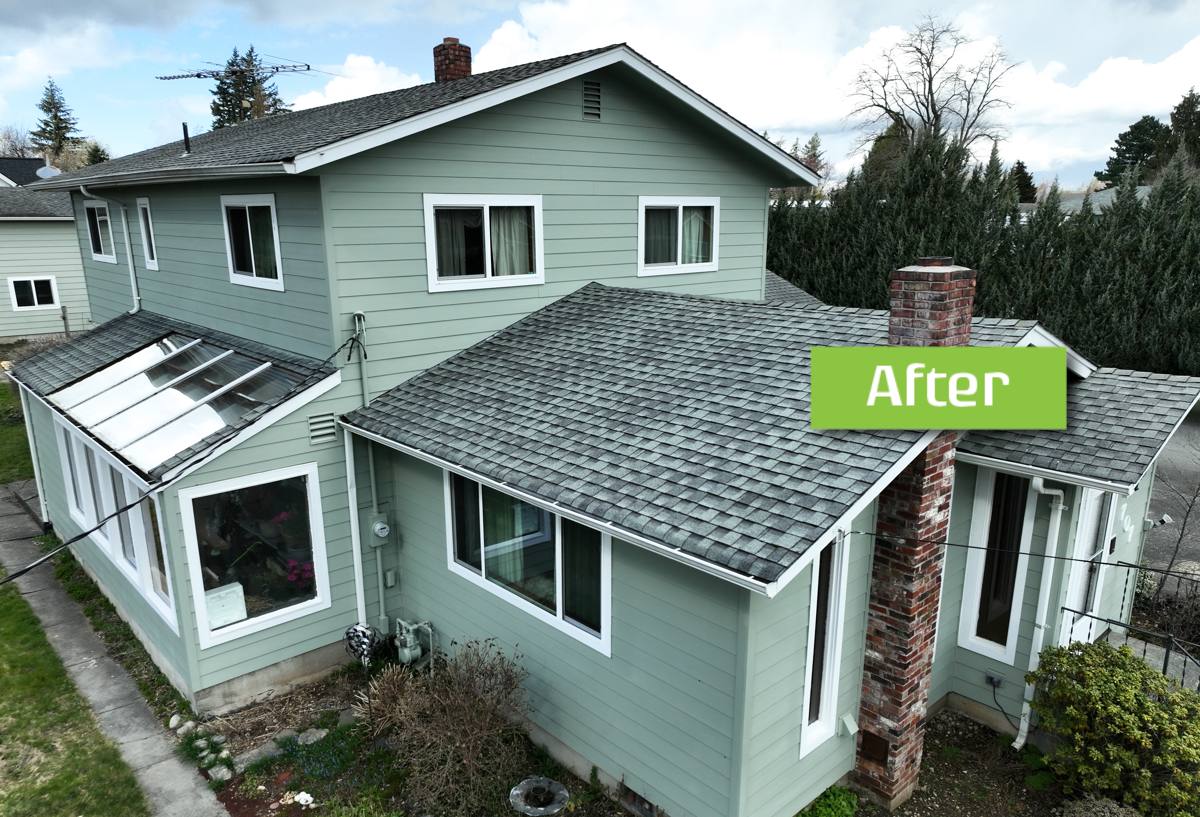
Southgate homes sit under the same Gulf Coast sky as the rest of Bradenton, but the roofs here have their own personality — a mix of ranch-style and mid-century homes, many with lower-pitch rooflines and decades of Florida sun already baked into the decking. An asphalt shingle roof in this neighborhood isn't just a covering, it's the single system standing between your house and everything Manatee County's climate throws at it: sustained tropical-storm and hurricane-force wind events, punishing year-round UV exposure, wind-driven rain that finds every gap, and a steady dose of salt air drifting in off the coast. Get the installation right and a shingle roof will protect the home for decades. Get it wrong — even in small ways — and problems show up as leaks, granule loss, and lifted shingles years before they should.
This page covers what an asphalt shingle roof actually needs to hold up in Southgate specifically, what a correct installation or repair involves, and why local experience on this exact housing stock matters more than a generic roofing pitch.
What Southgate's Climate Actually Does to a Roof
Wind
Bradenton sits in a wind-borne debris region under the Florida Building Code, and Southgate is no exception. Every hurricane season brings the risk of sustained high winds and gusts that get up under shingle tabs, especially on roofs where the sealant strips have weakened from age or heat. Wind doesn't need a full storm to cause damage — repeated flexing during regular summer squalls slowly loosens fasteners and breaks the adhesive bond long before a named storm ever arrives.
UV and Heat
Florida sun is relentless, and asphalt shingles are petroleum-based products — heat and UV are their two biggest enemies. Constant high temperatures accelerate the breakdown of asphalt oils, causing shingles to become brittle, crack, and shed granules faster than the same product would in a cooler climate. A shingle rated for 25-30 years elsewhere often performs closer to the lower end of that range here unless ventilation and attic temperatures are managed properly.
Wind-Driven Rain
Rain that falls straight down is easy to shed. Rain that's being pushed sideways by wind is a different problem — it works its way under shingle edges, around penetrations, and into any nail that wasn't seated correctly. This is why underlayment choice and flashing detail work matter as much as the shingles themselves.
Salt Air
Southgate isn't oceanfront, but Bradenton's proximity to Tampa Bay and the Gulf means salt-laden air still reaches inland neighborhoods, especially in coastal breezes. Salt accelerates corrosion on exposed metal — nails, flashing, vent stacks, and drip edge — which is why fastener and flashing material selection matters even on homes several miles from the water.
What a Correct Installation Involves
A shingle roof is only as good as the parts nobody sees once it's finished. A correct job in this climate includes:
- Wind-rated shingles installed to the manufacturer's high-wind nailing pattern (typically six nails per shingle rather than four), not just the standard pattern used in milder climates.
- Full sheet or synthetic underlayment as a secondary water barrier, since even a well-installed shingle field can see water intrusion during wind-driven rain.
- Sealed self-adhering membrane at eaves and valleys, the two areas most prone to wind-driven water intrusion and ice-dam-style backup (rare here, but wind-forced water backup is not).
- Corrosion-resistant fasteners and flashing — galvanized or better, given the salt air exposure inland neighborhoods like Southgate still receive.
- Proper flashing at every penetration — plumbing stacks, chimneys, skylights, and wall intersections — since these are the most common leak points on an otherwise sound roof.
- Balanced attic ventilation so the roof deck and shingles aren't cooking from underneath, which shortens shingle life regardless of how good the shingle itself is.
None of this is exotic. It's the difference between a roof installed to a general spec and one installed for the actual conditions Southgate homes deal with every year.
Signs a Southgate Roof Needs Attention
Most shingle roof failures don't happen all at once — they build quietly. Homeowners in this neighborhood should watch for:
- Shingles that look curled, cupped, or are lifting at the edges
- Bald spots where granules have worn away, exposing the darker asphalt underneath
- Granules collecting in gutters or at the base of downspouts
- Cracked or missing shingles after a windy afternoon storm
- Soft spots or sagging visible along the roofline
- Water stains on interior ceilings, especially near penetrations or valleys
- Visible rust streaking from nail heads or flashing
- Daylight visible through the attic decking
Any one of these on its own might not be urgent, but they tend to compound quickly once wind or heavy rain gets involved.
Our Process for Southgate Roofing Projects
1. Inspection and Honest Assessment
We start by getting on the roof, not just looking at it from the driveway. We check shingle condition, flashing, decking integrity where accessible, and ventilation, and we tell you plainly whether you're looking at a repair, a partial re-roof, or a full replacement — including the reasoning, not just a recommendation.
2. Scope and Material Selection
We walk through shingle options, wind ratings, and underlayment choices based on your roof's pitch, exposure, and budget, and put the scope in writing before any work starts.
3. Tear-Off and Deck Check
Old material comes off down to the deck so we can actually see what's underneath — soft or damaged decking gets replaced rather than covered over, which is a common shortcut that causes problems years later.
4. Installation to Wind-Rated Spec
Underlayment, flashing, and shingles go in following the manufacturer's high-wind installation requirements, not the minimum standard pattern.
5. Final Walkthrough
We review the finished roof with you, cover warranty paperwork, and make sure you know what routine maintenance, if any, is expected going forward.
Shingle Options for Southgate Homes
Not every shingle product performs the same way under Florida wind and heat. Here's an honest comparison of the common tiers homeowners in this neighborhood choose between:
| Shingle Type | Typical Wind Rating | Best For | Trade-Offs |
|---|---|---|---|
| 3-Tab | Lower wind rating, lighter weight | Budget-conscious replacements on lower-exposure roofs | Shorter service life in high UV/heat; less wind resistance over time |
| Architectural (Laminate) | Higher wind rating, heavier construction | Most Southgate homes as a durability-to-cost balance | Higher upfront cost than 3-tab; still needs correct nailing pattern to hit rated wind performance |
| Impact-Rated / High-Wind Class | Highest available wind and impact rating | Homes with high wind exposure or owners prioritizing long-term durability | Highest material cost; may qualify for insurance premium credits that offset the difference |
We don't push one tier on every home. The right choice depends on your roof's exposure, your timeline for staying in the home, and how you weigh upfront cost against long-term durability and potential insurance savings.
Ventilation and Moisture: The Part That Gets Skipped
A shingle roof doesn't fail in isolation — what's happening in the attic matters just as much. Poor or unbalanced ventilation traps heat and moisture against the underside of the deck, which shortens shingle life from below even if the surface looks fine. In a climate with Bradenton's heat and humidity, we check intake and exhaust ventilation as part of any re-roof, because installing a great shingle over a poorly ventilated attic just delays the same problem, not prevents it.
Permits, Codes, and Doing It Right the First Time
Re-roofing in Manatee County requires a permit, and the work has to meet current Florida Building Code wind and installation requirements for our area's wind-borne debris zone. This isn't paperwork for its own sake — it's the mechanism that keeps roofs actually rated for the wind speeds they're built to handle. We pull permits, schedule inspections, and handle that process as part of the job so you're not left guessing whether your new roof was actually installed to code.
Why Local Southgate Experience Matters
A crew that already works in Southgate knows the common roof pitches and construction styles in the neighborhood, has already dealt with the area's typical decking conditions and ventilation setups, and understands what Manatee County inspectors and the local permitting process actually require. That familiarity shows up in fewer surprises mid-project, more accurate scoping up front, and a finished roof that's genuinely built for the wind, heat, and salt air this specific part of Bradenton deals with every year — not a generic install dropped in from a different climate.
If your Southgate roof is showing wear, was damaged in a recent storm, or you're just planning ahead, we're happy to take a look and give you a straightforward, no-pressure estimate. Use the form below to get started.