 Bradenton
 Why Decks in Palmetto Wear Out Faster Than the Manual Says
Palmetto sits close enough to the water that every deck in the area is fighting a slow, steady battle it can't win on its own. Between the salt air drifting off Tampa Bay and the Manatee River, the intense Florida sun beating down nearly every day of the year, and the wind-driven rain that comes with our storm season, an unmaintained or aging deck here can go from "looks fine" to "structurally questionable" faster than most homeowners expect. None of that is a knock on any particular deck or builder — it's just what this climate does to exposed wood, metal, and fasteners over time.
A deck repair in Palmetto isn't the same job as a deck repair in a dry inland climate. The fasteners corrode differently, the wood moves differently, and the failure points show up in different places. That's the gap a generic handyman fix often misses, and it's the reason repairs done without accounting for local conditions tend not to last.
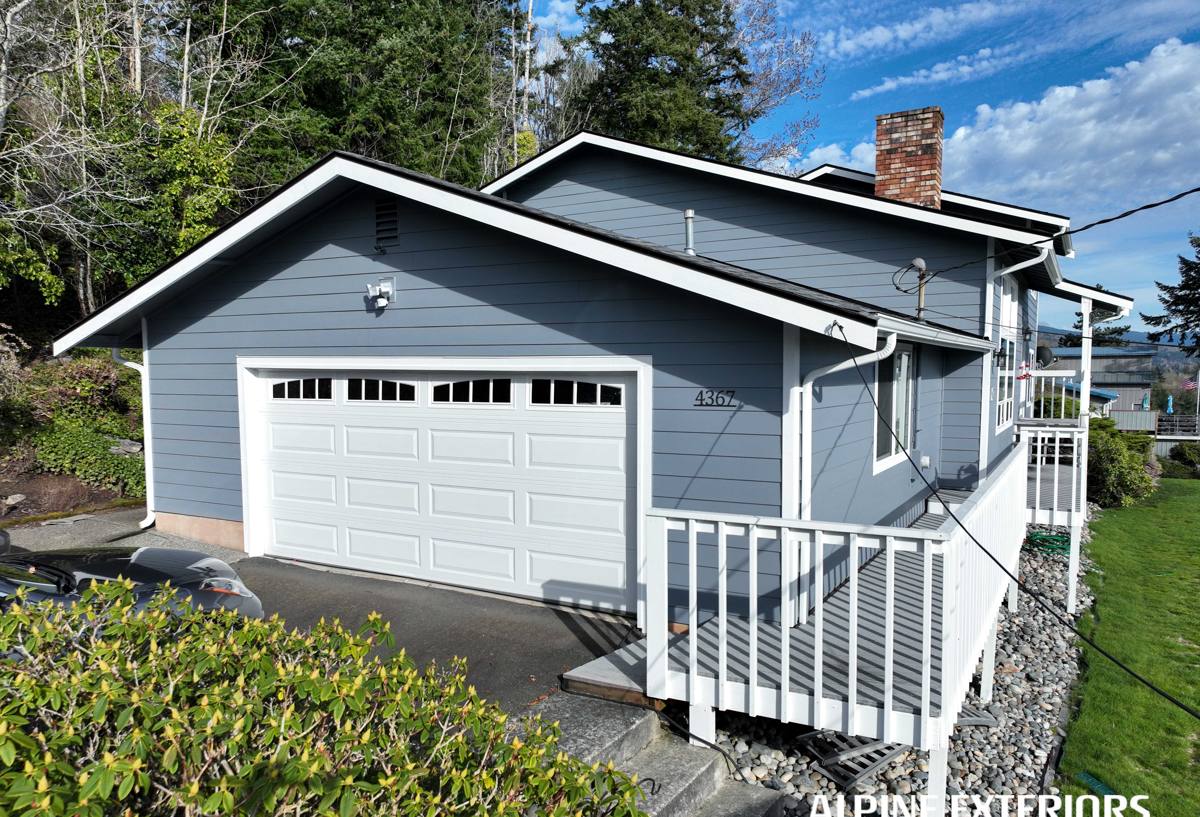
What the Climate Actually Does to a Deck
Salt Air and Corrosion
Even a few miles inland from the coast, airborne salt accelerates corrosion on anything metal — nails, screws, joist hangers, bolts, and railing hardware. Once a fastener starts to rust, it loses grip strength long before it looks obviously bad from the surface. That's often the real cause of a deck board that's started to feel loose or a railing that's developed a wobble.
UV Exposure
Manatee County gets strong, direct sun essentially year-round. UV breaks down the lignin in wood fibers and dries out surface protection, which is why boards that were never a problem for years can suddenly start graying, splitting, and cupping. Composite decking resists this better than wood, but even composite can fade or become brittle at the surface over enough years of direct exposure.
Wind-Driven Rain and Moisture Cycling
The bigger issue usually isn't rain falling straight down — it's rain driven sideways into ledger boards, under railings, and into end-grain cuts that were never fully sealed. Wood that gets wet and then bakes dry in the sun, over and over, swells and shrinks repeatedly. That cycle is what eventually opens up cracks, loosens joints, and rots framing members from the inside where you can't see it.
Hurricane-Force Wind Loads
Even when a storm doesn't cause visible damage, wind loading stresses connections — especially ledger board attachments and railing posts. A deck that "made it through the storm fine" can still have loosened hardware or hairline separation at the house connection that won't show up until the next inspection or the next storm.
Common Deck Problems We Find in Palmetto Homes
- Soft or spongy deck boards, especially near stair landings and low spots where water collects
- Rust streaks around fasteners, joist hangers, or bolt heads
- Ledger board separation or gapping where the deck meets the house
- Wobbly or loose railings and posts
- Cupped, splitting, or graying wood boards
- Composite boards that have faded unevenly or developed surface flaking at cut edges
- Stair stringers that have shifted or show cracking at the connection points
- Undersized or corroded fasteners from an older build or a prior quick-fix repair
Any one of these on its own might just need a targeted fix. Several showing up together usually means the deck's overall structural condition needs a real inspection, not just a board swap.
What a Correct Deck Repair Actually Involves
A repair that's done right starts below the surface, not at the boards you can see. The framing, ledger connection, and fasteners carry the actual structural load — the decking and railings are what you touch and look at. Skipping the structural check and just replacing visible boards is how a repair ends up needing to be redone within a year or two.
Structural Inspection
We check the ledger board attachment to the house, the condition of the joists and beams, post bases for rot or corrosion, and any connection points that carry load — stairs, railings, and the main frame. This is where hidden problems get caught before they become safety issues.
Framing and Fastener Repair
Corroded or undersized fasteners get replaced with hardware rated for coastal exposure. Any rotted or compromised framing members get sistered or replaced — not just covered up with new decking on top.
Decking and Railing Repair
Damaged boards get replaced to match the existing deck as closely as possible, or a full resurface is recommended when enough of the deck surface is affected that patch repairs won't look right or hold up evenly. Railings get re-secured or rebuilt to current safety standards where the existing setup doesn't meet them.
Flashing and Water Management
Where the deck meets the house, proper flashing is what keeps wind-driven rain from working its way behind the ledger board. This is one of the most common things we find missing or failed on older repairs, and it's usually the root cause when a ledger board has rotted.
Our Repair Process
We keep this straightforward because most homeowners just want to know their deck is safe and know what they're paying for.
- On-site inspection — we walk the full deck, check the framing where accessible, test railings and stairs, and identify both the visible damage and the underlying cause.
- Honest assessment — we tell you what's cosmetic, what's structural, and what can wait versus what shouldn't.
- Written estimate — a clear scope of work and price before anything starts, no surprise add-ons mid-job.
- Repair work — framing and fastener corrections first, then decking, then railings and finish work.
- Final walkthrough — we go over the completed repair with you and flag anything worth keeping an eye on going forward.
Repair vs. Replacement: How to Think About It
Not every deck needs a full rebuild, but not every deck should just get patched, either. Here's how we help homeowners weigh it:
| Factor | Leans Toward Repair | Leans Toward Replacement |
|---|---|---|
| Framing condition | Solid, dry, no rot at connections | Soft spots, rot, or corrosion at multiple joists/posts |
| Age of deck | Under 10-15 years, built to code | Older deck, unclear build history, outdated hardware |
| Extent of damage | Isolated boards or a single problem area | Damage spread across the whole deck surface or structure |
| Ledger connection | Properly flashed, no separation | Signs of water intrusion or gapping at the house |
| Code compliance | Railings, spacing, and fasteners already meet current standards | Older build predates current safety requirements |
When a deck is structurally sound and the damage is localized, repair is the honest, cost-effective call. When the framing itself is compromised, patching the surface just delays a bigger job — and in coastal wind and moisture conditions, that delay tends to be shorter than people expect.
Materials We Use and Why
Our material choices for coastal repair work come down to what actually holds up under salt air, UV, and moisture cycling — not just what's cheapest to install.
Fasteners and Hardware
We use fasteners and connectors rated for coastal or treated-wood exposure rather than standard interior-grade hardware. Standard hardware corrodes faster in this environment, and a repair is only as good as the fasteners holding it together — using anything less defeats the purpose of the repair.
Wood vs. Composite
Pressure-treated wood remains a solid, cost-effective choice for framing and can work well for decking when properly sealed and maintained. Composite decking costs more up front but resists UV fading, moisture absorption, and splintering better over the long run, which matters more here than in drier climates. Neither is universally "better" — it depends on your budget, how the deck is used, and how much upkeep you want to commit to. We'll walk through the honest trade-offs for your specific deck rather than push one option.
Flashing and Sealants
We use flashing and sealant products suited for the moisture and UV exposure our repairs actually face, applied correctly at every joint and connection — this is a detail that gets rushed in a lot of budget repairs, and it's usually where the next round of damage starts.
Homeowner Maintenance Checklist Between Inspections
A few minutes of attention a couple times a year catches problems while they're still small and cheap to fix.
- Check for soft spots by walking the full deck surface, especially near stairs and low points
- Look for rust streaks around visible fasteners and hardware
- Inspect the area where the deck meets the house for gaps, staining, or soft wood
- Test railings and posts for movement or looseness
- Clear leaves and debris from between boards to prevent trapped moisture
- Reseal or re-stain wood decking per the product's recommended schedule, especially after a harsh summer
- Have the deck professionally inspected after any major storm, even if it looks fine
Why It Matters to Hire a Crew That Already Works in Palmetto
Deck repair isn't a one-size-fits-all trade. A contractor who mostly works inland or in a different climate may not think to check for the coastal-specific issues that actually cause failures here — the corroded hardware behind a railing, the ledger flashing that was never done right, the fastener grade that won't hold up to salt air. Working regularly in Bradenton, Palmetto, and the rest of Manatee County means we're not guessing at what this climate does to a deck over time — we're addressing it directly in how we inspect and repair.
It also means being available and accountable locally. A deck repair should hold up through the next storm season and beyond, and that's easier to stand behind when the crew doing the work is part of the same community relying on it.
Get an Honest Look at Your Deck
If your deck has soft boards, loose railings, rust stains, or you just haven't had it checked in a while, it's worth a professional look before small issues turn into structural ones. We offer free, no-pressure estimates for deck repair in Palmetto and the surrounding Bradenton area — fill out the form below and we'll take it from there.