 Bradenton
 Siding Repair Built for Braden River's Climate
Homes along the Braden River corridor in Bradenton sit in one of the more demanding exterior environments in Manatee County. The river brings humidity and moisture into the equation year-round, the Gulf side brings salt air, and the open exposure many of these lots have means full sun and full wind with little buffering from mature tree cover in newer developments. Add in Florida's hurricane season and the near-daily summer thunderstorms, and siding here takes a beating that siding in a drier, cooler climate simply doesn't face.
Siding repair in this area isn't just about patching a visible crack or a loose panel. It's about understanding why that damage happened in the first place — sun-baked and brittle material, wind-driven rain finding a gap, moisture wicking up from grade near the water — and fixing the actual cause, not just the symptom. That's the standard we hold every repair job to on Braden River homes.
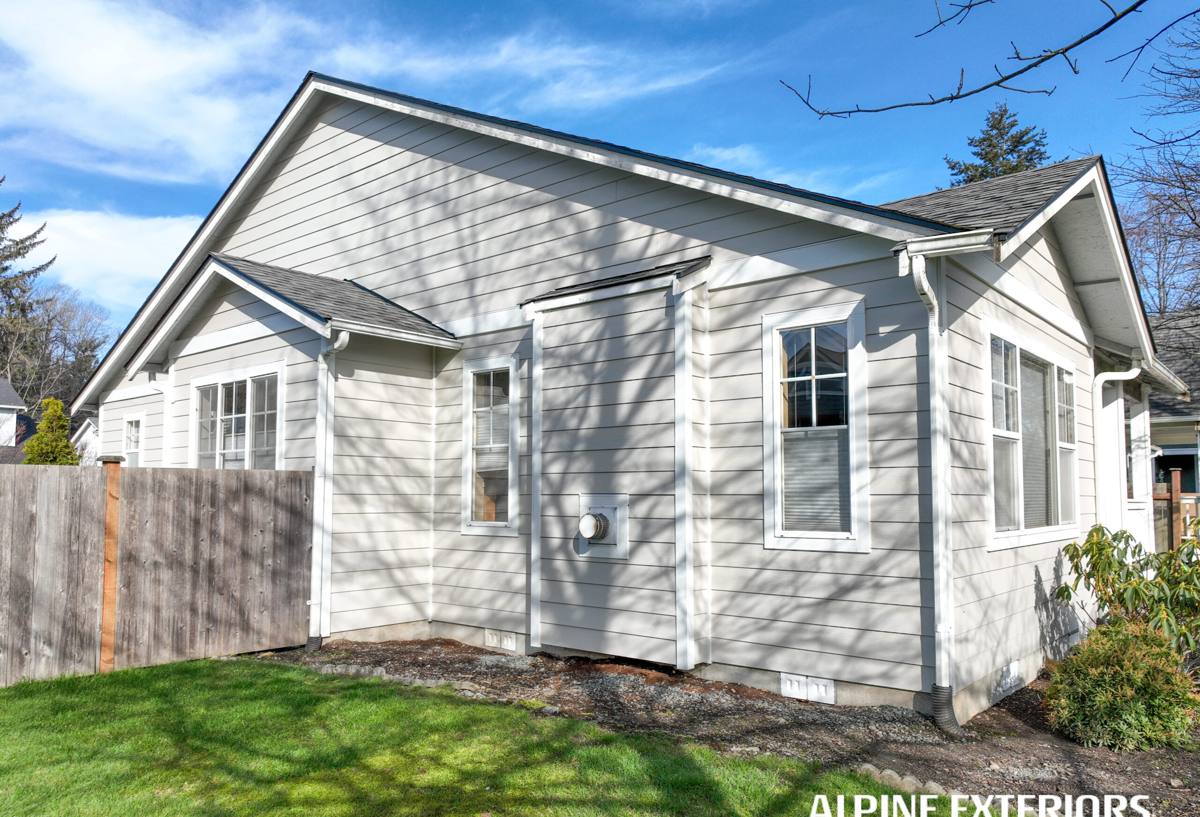
What Bradenton's Climate Does to Siding Over Time
UV and Heat
Manatee County gets intense, near-constant UV exposure. Over years, this fades paint, dries out caulk and sealants, and makes some siding materials — particularly wood and lower-grade composites — brittle and prone to cracking or splitting at fastener points and butt joints.
Wind-Driven Rain
Bradenton's storms rarely come straight down. Wind pushes rain sideways and up under laps, trim, and around penetrations like hose bibs and light fixtures. Siding that isn't properly lapped, caulked, or flashed lets that water behind the surface, where it does damage you can't see until it's advanced.
Salt Air and Humidity
Proximity to the Gulf and the brackish stretches of the river means airborne salt settles on exterior surfaces. Combined with Florida's humidity, this accelerates corrosion of fasteners and trim, and it speeds up the breakdown of coatings that aren't rated for coastal exposure.
Storm and Wind Load
Hurricane-force and tropical-storm-force winds put direct mechanical stress on siding panels and their fastening. Loose, cracked, or improperly installed siding is far more likely to fail — or come off entirely — in a wind event than siding that was installed to spec.
Signs Braden River Homeowners Should Watch For
Most siding problems give warning signs well before they become expensive. Catching them early is the difference between a targeted repair and a much larger project.
- Cracked, split, or warped panels, especially on the sun-exposed (typically west and south) sides of the house
- Soft or spongy spots when you press on the siding, which usually means moisture has gotten behind it
- Peeling or bubbling paint, or a chalky residue on the surface
- Visible gaps at seams, corners, or where siding meets trim, windows, and doors
- Staining or discoloration that keeps returning after cleaning
- Rust streaks around fasteners or trim
- Panels that have pulled loose or shifted, especially after a storm
- A musty smell or visible mold/mildew growth on interior walls that back up to exterior siding
What a Correct Siding Repair Job Actually Involves
Diagnosing the Real Cause
A repair that just covers a crack without figuring out why it's there usually fails again within a season or two. Before we touch a panel, we look at what's driving the damage — is it a flashing failure, a caulking gap, trapped moisture, an installation error from a previous job, or straightforward age and UV wear? The fix has to match the cause.
Checking What's Behind the Siding
Siding is the visible layer, but the water-resistive barrier and flashing details behind it are what actually keep a house dry. Any repair involving removed panels is a chance to check that this layer is intact. If we find compromised house wrap, rotted sheathing, or missing flashing, that gets addressed — patching new siding over a bad substrate just hides the problem for the next owner to find.
Matching Materials, Not Just Colors
Repairs done with mismatched material — different thickness, different texture, a different manufacturer's product — tend to stand out and can behave differently in heat and moisture than the surrounding siding. Where we're replacing sections rather than just fixing a fastening or sealant issue, we use materials engineered to match and perform consistently with what's already on the wall wherever possible.
Sealing and Flashing Details
Given how much wind-driven rain this area sees, the sealant and flashing work around a repair matters as much as the panel itself. Correct lap sequencing, properly bedded trim, and the right sealant for a coastal, high-UV environment are what keep a repair from becoming a callback.
Siding Materials You'll Find in Braden River — and What They Mean for Repair
The material your home is currently sided in affects both how repairable it is and what a durable repair looks like.
| Siding Material | Common Repair Issues in This Climate | Repair Outlook |
|---|---|---|
| Vinyl | Cracking from UV brittleness, warping from heat, wind damage, fading that makes patch sections mismatch | Repairable short-term, but color match fades unevenly and wind resistance is limited compared to fiber cement |
| Wood/cedar | Rot from moisture absorption, insect damage, frequent repainting needs, splitting from sun exposure | Labor-intensive to repair correctly; ongoing maintenance burden in humid coastal climates |
| Older fiber cement (non-Hardie or older formulations) | Edge chipping, moisture absorption at cut ends, coating failure | Generally repairable with proper end-sealing and matched product |
| James Hardie fiber cement | Primarily fastener, caulking, or flashing issues rather than the panel material itself | Engineered for this climate; repairs are typically isolated to installation details, not material failure |
This is part of why we standardized on James Hardie for any replacement work: it's a non-combustible fiber cement product with a factory-applied ColorPlus finish and HZ product lines specifically engineered for high-humidity, high-UV, storm-prone climates like ours. When we do have to replace a damaged section on a home currently sided in something else, we'll talk through the honest trade-offs with you rather than just matching what's there for its own sake.
Our Siding Repair Process
- Inspection. We walk the full exterior, not just the reported problem area, since storm and UV damage often shows up in more than one spot at a time.
- Diagnosis. We identify the underlying cause of each issue — moisture intrusion, wind damage, material fatigue, or an installation defect — before proposing a fix.
- Written plan. You get a clear explanation of what needs repair versus what's cosmetic, what it involves, and an honest cost range before any work starts.
- Repair or targeted replacement. We fix what needs fixing, replace only what needs replacing, and check the water-resistive barrier and flashing wherever panels come off.
- Sealing and finish work. Proper caulking, flashing, and paint/finish matching so the repair holds up and blends in.
- Final walkthrough. We review the completed work with you before we consider the job done.
Repair or Replace? A Practical Way to Decide
Not every siding problem calls for a full re-side, and not every repair is worth doing if the underlying material is at the end of its useful life. A few honest questions help sort this out:
- Is the damage isolated to a few panels, or spread across multiple elevations?
- Is the siding material itself failing (cracking, absorbing moisture, chalking), or is this a one-off installation or storm issue?
- How old is the current siding, and what's it rated to last?
- Has water gotten behind the siding in more than one location?
- Are you planning to sell or stay long-term — does a patch repair make sense, or is it time to address the whole elevation?
We'll give you a straight answer on which side of that line your home falls on. If a repair is the right call, we won't push a full replacement, and vice versa.
Why a Crew That Already Works Braden River Matters
Siding repair done right depends on understanding the specific conditions a house has been exposed to — which direction it faces, how close it sits to the river or open water, what the storm history in that specific part of Bradenton has been, and what installation practices were common (and sometimes done poorly) in this area's building stock over the years. A crew that regularly works Braden River and the surrounding Manatee County neighborhoods brings that context to every inspection instead of learning it on your dime. It also means faster response after a storm, when a lot of homeowners in the same area are calling around at once.
Get a Straight Answer on Your Siding
If your Braden River home has siding that's cracking, staining, pulling loose, or just showing its age after another Florida summer, we'll take a real look at it and tell you honestly what it needs — a repair, a partial replacement, or nothing urgent at all. Reach out for a free, no-pressure estimate using the form below.