 Bradenton
 Siding Replacement Built for Mill Creek's Climate
Homes in the Mill Creek area of Bradenton sit in one of the toughest climates in the country for exterior building materials. Manatee County isn't far from the water, and that means the siding on your home is dealing with more than sun and rain — it's fighting salt-laden air, tropical humidity that never really lets up, punishing UV exposure nearly every day of the year, and the real possibility of hurricane-force wind and wind-driven rain during storm season. Siding that might last three decades in a drier, cooler climate can start failing in half that time here if it wasn't rated, installed, and fastened for these conditions.
That's the lens we bring to every siding replacement in Mill Creek: not "what looks good," but "what will actually hold up on this street, in this climate, for the next 30 years." Replacement siding is a bigger investment than a repair, and it's also your chance to fix whatever caused the original siding to fail in the first place — rather than repeating the same mistake.
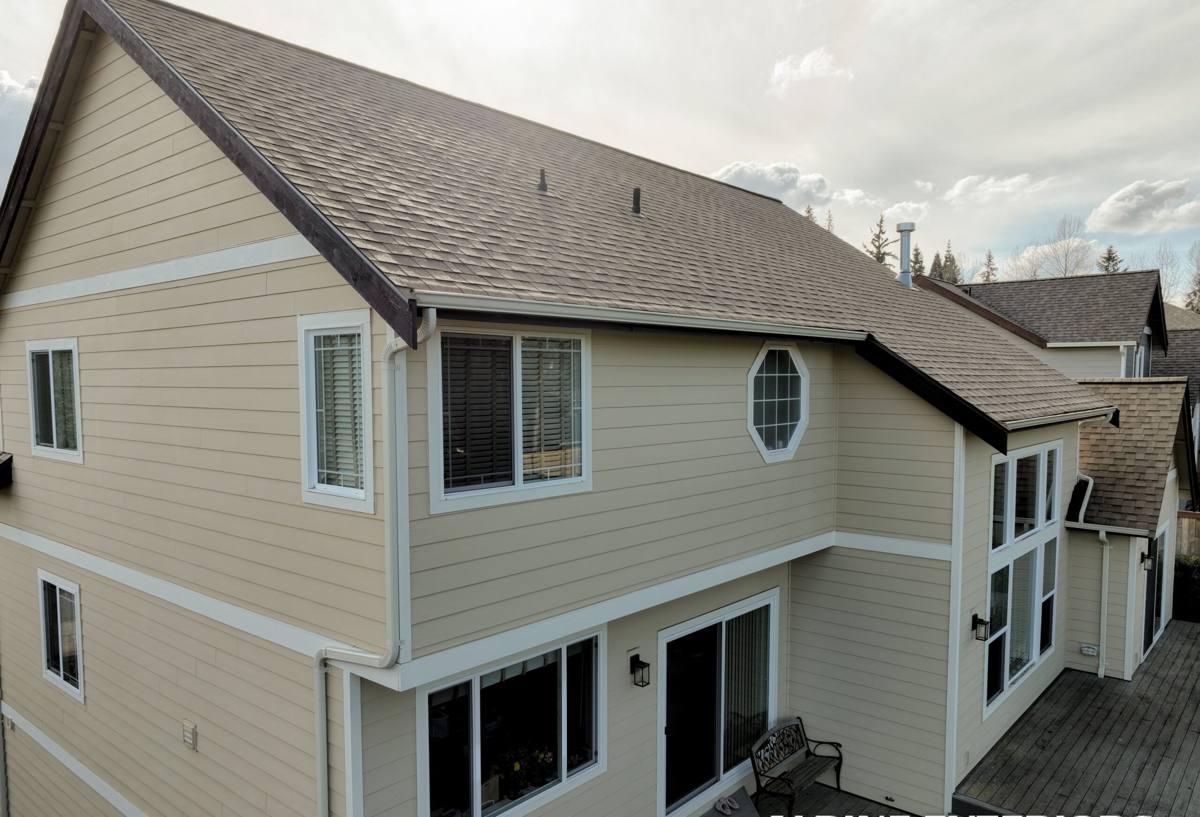
Signs a Mill Creek Home Needs Replacement, Not Repair
Not every siding problem calls for a full tear-off. But in this climate, certain warning signs mean the underlying material or installation has failed and patching it will only buy a little time.
- Soft, spongy, or crumbling spots when you press on the siding — usually a sign moisture has gotten behind it
- Visible swelling, buckling, or warping across multiple panels or boards
- Paint that keeps failing within a year or two of repainting, even with quality paint
- Cracking or splitting that shows up in the same areas repeatedly, especially on sun-facing walls
- A musty smell or visible mold/mildew growth on interior walls near exterior siding
- Siding that's more than 20-25 years old and was never engineered for coastal wind and moisture exposure
- Fastener heads popping, streaking, or rust staining down the face of the siding
If you're seeing two or more of these, especially on the sides of the house that take the most sun and weather, it's worth a full inspection before deciding whether repair is even realistic.
What a Correct Siding Replacement Actually Involves
A siding replacement is only as good as what happens underneath it. Slapping new siding over a compromised wall assembly just hides the problem for a while. Done right, the job includes several steps that don't show up in a driveway photo but matter enormously for how the siding performs over the next 20-30 years in a coastal wind zone.
Tear-Off and Inspection
Full removal of the old siding down to the sheathing, followed by an honest look at what's underneath — rot, water staining, insect damage, or compromised sheathing all need to be addressed before anything new goes up. This is the step that gets skipped by crews trying to move fast, and it's the one that determines whether your new siding lasts.
Moisture Barrier and Flashing
A weather-resistive barrier and correctly installed flashing around every window, door, and penetration is what actually keeps wind-driven rain out of the wall cavity. Bradenton's storms don't fall straight down — wind pushes rain sideways and upward under poorly flashed edges, which is exactly where most hidden water damage starts.
Fastening to Wind Zone Requirements
Manatee County sits in a high-velocity wind zone, and siding has to be fastened according to manufacturer specs rated for those conditions — correct fastener type, spacing, and embedment, not just "close enough." Under-fastened siding is one of the most common causes of wind damage in coastal storms, and it's rarely visible until wind actually tests it.
Trim, Caulking, and Finish Detail
The finish work — corner trim, joint treatment, caulking at transitions — is what keeps water from finding its way in at the seams. It's also what makes the finished job look clean rather than patched together.
Why We Install Only James Hardie Fiber Cement
We don't install vinyl, LP SmartSide, or wood-based siding products, and that's a deliberate standard, not a limitation. In a climate like Bradenton's — constant UV, high humidity, salt air, and real hurricane risk — the material matters as much as the installation.
James Hardie fiber cement is non-combustible, doesn't feed on moisture the way wood-based products can, and holds its shape and color far better under intense Florida sun than vinyl, which can warp, fade, or become brittle over years of UV exposure. Hardie's ColorPlus factory finish is baked on and warranted against fading in a way field-applied paint isn't. Their HZ5 product line is specifically engineered for high-humidity, storm-prone climates like ours. It's a heavier, denser material to work with than vinyl, which means installation matters more, not less — but done correctly, it's the product we trust to actually perform here, and it's backed by a strong transferable warranty.
Our Siding Replacement Process
| Step | What Happens |
|---|---|
| 1. On-site inspection | We walk the exterior, check for moisture and structural issues, and assess what caused the current siding to fail |
| 2. Written estimate | A clear, itemized quote covering material, tear-off, disposal, and labor — no vague allowances |
| 3. Product and color selection | Choosing the right Hardie product line and ColorPlus finish for your home's exposure and style |
| 4. Permitting | Pulling the required Manatee County permit before work begins |
| 5. Tear-off and sheathing check | Full removal of old siding, repair of any compromised sheathing found underneath |
| 6. Barrier, flashing, and install | Weather barrier, flashing, and Hardie siding installed to manufacturer wind-zone fastening specs |
| 7. Trim, caulking, and final walkthrough | Finish detail work followed by a walkthrough so you know exactly what was done |
What Drives the Cost of a Siding Replacement
Every home is different, so we won't quote a number without seeing your house — but these are the factors that most affect the final cost of a siding replacement project.
| Factor | Why It Matters |
|---|---|
| Home size and wall area | More square footage means more material, labor, and disposal |
| Wall complexity | Homes with lots of corners, gables, or dormers take more time and trim work than a simple rectangular footprint |
| Condition of the sheathing | Rot or water damage found during tear-off adds repair cost, but skipping it is not an option |
| Siding profile chosen | HardiePlank lap siding, HardiePanel vertical siding, and shingle-style profiles differ in material and install time |
| Trim and finish level | Extensive trim, board-and-batten accents, or custom detailing add labor |
| Disposal and access | Tear-off debris removal and site access (fencing, landscaping, tight lots) affect labor time |
Why Hiring a Crew That Already Works in Mill Creek Matters
Siding installation isn't uniform across the country, and it shouldn't be treated that way here. A crew that regularly works in Mill Creek and the surrounding Bradenton area already knows how homes in this part of Manatee County are built, what wind zone requirements apply, and how the local permitting process works — which means fewer surprises and fewer delays once work starts.
Local experience also means we've seen firsthand what happens when siding is installed for a different climate than the one it's actually in. That's part of why we standardized on a product and installation method built for exactly these conditions rather than trying to make a product designed for milder climates work here.
Questions to Ask Before Hiring Any Siding Contractor
- Are you licensed and insured to work in Manatee County?
- Will you pull the required permit, or is that left to me?
- What happens if you find rotted sheathing during tear-off — is that a change order or included?
- What fastening schedule will you follow, and is it rated for our wind zone?
- What warranty applies to both the material and your labor?
- Can I get a written, itemized estimate before work begins?
Caring for Your New Siding After Installation
Fiber cement siding is low-maintenance compared to wood or vinyl, but "low-maintenance" doesn't mean "no maintenance," especially near the coast. A yearly rinse-down to clear salt residue and dust, a visual check of caulking at trim and window edges after storm season, and prompt attention to any impact damage will help your new siding go the distance. Because the ColorPlus finish is factory-applied and warranted, you generally won't need to repaint it the way you would field-painted wood or fiber cement — that alone eliminates one of the biggest recurring costs of ownership.
If your Mill Creek home's siding is showing its age or you're planning ahead for storm season, we're happy to take a look and give you a straightforward, no-pressure estimate — just fill out the form below to get started.