 Bradenton
 Why Lakewood Ranch Homes Need a Different Approach to Windows
Lakewood Ranch sits inland from the coast, but that doesn't mean your windows get an easy life. Between the intense, near year-round Florida sun, the humidity that never really lets up, and the wind-driven rain that comes through with every summer storm and hurricane season pass, windows here are under constant, low-grade stress. Add in the salt air that drifts inland from Sarasota Bay and the Gulf on breezy days, and you've got a combination that ages ordinary windows faster than most homeowners expect.
Energy-efficient windows aren't a luxury upgrade in this part of Manatee County — they're a practical response to the climate. Done right, they cut down on solar heat gain, protect interiors from UV fading, resist wind-driven rain intrusion, and take pressure off your air conditioning system, which in this climate is running for the better part of the year.
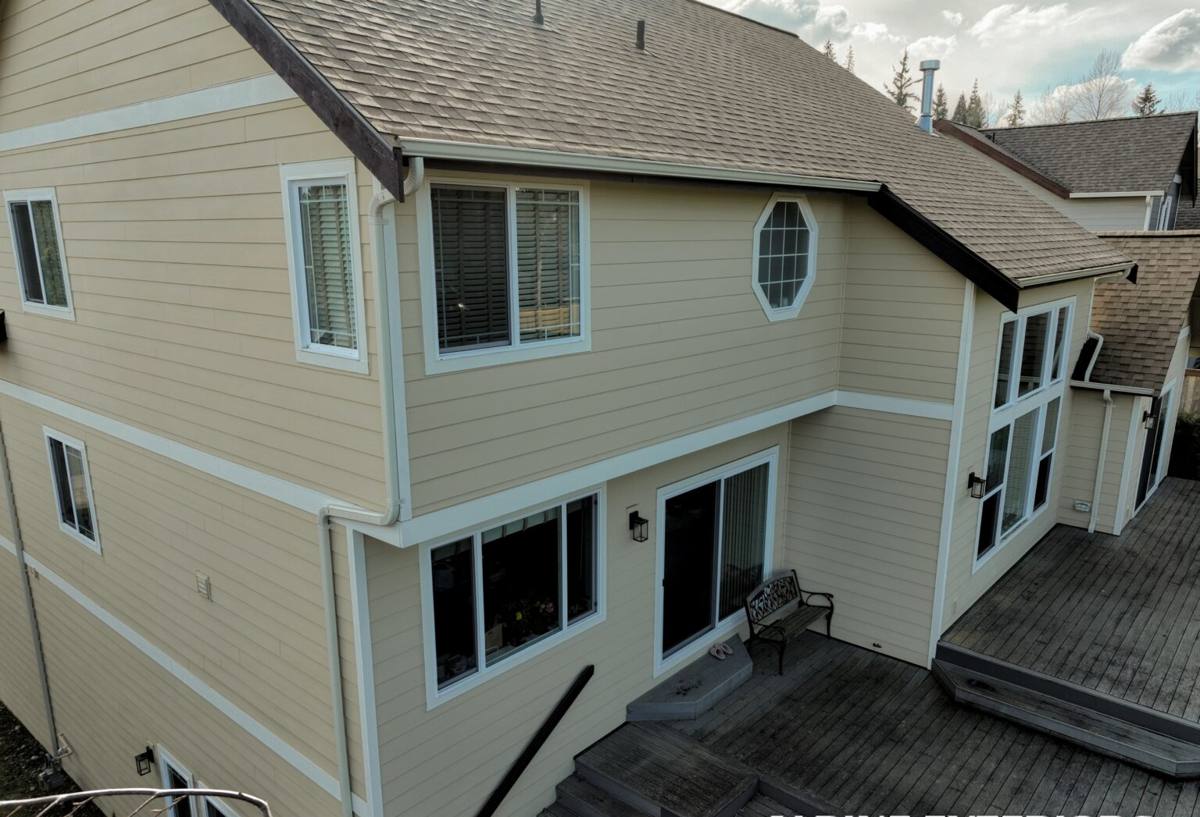
What "Energy-Efficient" Actually Means Here
The term gets used loosely, so it's worth being specific. In a hot, humid, sun-heavy climate like ours, an energy-efficient window is doing a few distinct jobs at once, and it's rated for each one separately:
U-Factor
This measures how well the window keeps heat from moving through it. In Florida, we're less concerned with keeping heat in during winter and much more concerned with keeping it out during our long cooling season. A lower U-factor generally means better performance.
Solar Heat Gain Coefficient (SHGC)
This is the number that matters most for Lakewood Ranch. It measures how much solar radiation passes through the glass and turns into heat inside your home. Low-E (low-emissivity) coatings are what bring this number down — they reflect infrared heat while still letting visible light through, so your rooms stay bright without turning into a greenhouse.
Air Infiltration
How much air leaks around the sash and frame. Tighter seals mean your AC isn't fighting a slow, constant leak of humid outside air, which also helps keep indoor humidity — and the mold risk that comes with it — under control.
A genuinely energy-efficient window for this area combines a good frame material, correctly specified glass, and a tight, properly flashed installation. Any one of those done poorly undermines the other two.
Impact-Rated vs. Standard Energy-Efficient Windows
This is the decision most Lakewood Ranch homeowners end up weighing, and it's worth understanding honestly rather than being sold on it either way.
| Factor | Impact-Rated Windows | Standard Windows + Shutters |
|---|---|---|
| Storm protection | Built into the glass and frame; always in place | Only effective when shutters are deployed correctly |
| Daily energy performance | Laminated glass adds UV and noise reduction year-round | Depends entirely on the window's own glass package |
| Upfront cost | Higher per opening | Lower window cost, but added shutter cost and upkeep |
| Convenience | No prep before a storm; no removal after | Requires installing or closing shutters before every storm |
| Appearance | Clean sightlines, no exterior hardware | Shutters or panels visible on the exterior |
Neither option is wrong. Some homeowners prefer the lower upfront cost of standard windows paired with shutters, especially on secondary structures or homes where budget is the main driver. Others want the "install it and forget it" simplicity of impact glass, particularly on a primary residence where they don't want to be scrambling to put up panels every time a storm tracks toward the Gulf. We'll walk through both honestly based on your home and budget rather than push one option across the board.
Signs Your Current Windows Are Working Against You
Most homeowners don't replace windows because one fails dramatically — they replace them because a collection of small, nagging problems finally adds up. Watch for:
- Rooms near west- or south-facing windows that run noticeably hotter in the afternoon
- Fabric, flooring, or artwork near windows that's visibly faded or discolored
- Condensation forming between panes on double-pane units — a sign the seal has failed
- A noticeable draft or whistling sound around the frame during windy conditions
- Difficulty opening, closing, or locking a window that used to operate smoothly
- Visible daylight or gaps where the sash meets the frame
- Higher summer electric bills than neighbors with comparable homes and square footage
- Frames that feel warm to the touch on the interior side during peak afternoon sun
Any one of these on its own might not justify replacement. Several together, especially on an older set of windows, usually means the glass and seals have reached the end of their useful performance — even if the window still "works" in the basic sense of opening and closing.
How We Approach a Lakewood Ranch Window Job
Assessment First
We start by looking at orientation — which walls take the worst afternoon sun, which face prevailing wind and rain — along with the condition of the existing framing and any signs of past water intrusion. This tells us where a higher-performance glass package or upgraded flashing detail actually pays off, versus where standard specifications are perfectly adequate.
Correct Sizing and Flashing
A high-performance window installed with sloppy flashing will leak and lose efficiency no matter how good the glass rating is. We treat the rough opening, weather barrier, and flashing sequence as seriously as the window unit itself — this is where most long-term failures actually start, not in the glass.
Sealing and Insulation
Gaps around the frame are backfilled with appropriate insulation and sealed to stop both air infiltration and the wind-driven rain that Manatee County storms regularly deliver. This step is easy to rush and is usually the difference between a window that performs on paper and one that performs in a real storm.
Interior and Exterior Finish
We finish trim and caulking so the result looks intentional, not patched — matching sightlines across a wall of windows matters for curb appeal and resale, especially in a community where home presentation is part of the deal.
Frame Materials That Hold Up in This Climate
Frame choice affects both efficiency and longevity, and not every material behaves the same way under Florida sun and humidity.
Vinyl
Vinyl frames are a common, cost-effective choice and perform well thermally since vinyl doesn't conduct heat the way metal does. Quality varies significantly between manufacturers, so we pay attention to UV-stabilized formulations that resist yellowing and brittleness under constant sun exposure rather than assuming all vinyl is equal.
Aluminum
Aluminum is strong and holds up structurally, which is part of why it's common in impact-rated systems. On its own it conducts heat readily, so efficient aluminum windows use a thermal break — a non-conductive barrier inside the frame — to cut down on heat transfer. Without that detail, an aluminum frame can undercut an otherwise good glass package.
Fiberglass and Composite
These options resist expansion and contraction from heat cycling better than either vinyl or aluminum, which can translate to fewer seal problems over time. They typically cost more upfront, which is a legitimate trade-off to weigh against your timeline for staying in the home.
We don't push a single frame material as the universal answer — the right choice depends on your home's exposure, your budget, and how long you plan to stay in the house.
Permits, Wind Zones, and HOA Considerations
Lakewood Ranch is unincorporated Manatee County, which means window replacement work typically goes through the county's permitting and inspection process, and products need to meet the wind load requirements for our zone under the Florida Building Code. Many Lakewood Ranch neighborhoods also have their own HOA or architectural review guidelines covering exterior appearance — frame color, grid patterns, and general look — separate from the county's structural requirements.
We handle the permit side of the job and can provide the documentation your HOA typically asks for, but if your community has specific architectural review steps, it's worth checking with your HOA early so approval isn't holding up a project that's otherwise ready to go.
What Drives the Cost of a Window Project
Every home is different, so we don't quote sight unseen — but these are the factors that move the price up or down, in broad terms:
| Factor | How It Affects Cost |
|---|---|
| Window size and quantity | Larger openings and whole-house replacements scale cost accordingly |
| Impact rating | Laminated impact glass costs more per opening than standard glass |
| Frame material | Vinyl is typically the most budget-friendly; fiberglass and composite cost more |
| Glass package | Low-E coatings and gas fills add a modest premium for meaningfully better performance |
| Installation condition | Rot, prior water damage, or out-of-square openings add labor before the new window even goes in |
| Custom shapes or sizes | Non-standard openings cost more than stock sizes |
As a rough starting point, homeowners should expect a range from several hundred to a few thousand dollars per opening depending on the combination of these factors — the only way to get a number that actually applies to your home is a walkthrough.
Why a Crew That Already Works Lakewood Ranch Matters
A window is only as good as its installation, and installation quality depends heavily on understanding the conditions it has to survive. A crew that regularly works in Bradenton and the surrounding Manatee County area already knows the wind zone requirements, has a working relationship with the county's permitting process, and has seen firsthand how sun exposure, humidity, and storm patterns here affect different products and installation details over time. That's the kind of knowledge that shows up not in the sales pitch, but in how the flashing is done, how the seal holds up three summers later, and how smoothly the permit and inspection process goes.
If you're weighing whether it's time to replace aging windows, or you're planning ahead of hurricane season and want a straight answer on impact glass versus standard windows with shutters, we're happy to take a look and walk you through what actually makes sense for your home. Use the form below to request a free, no-pressure estimate.