 Bradenton
 Bradenton Beach Sits Right at the Edge of the Gulf — And Its Siding Knows It
Homes in Bradenton Beach live closer to salt water than almost anywhere else in Manatee County. That barrier-island position is what makes the area beautiful, and it's also what makes exterior materials work harder than they do just a few miles inland. Salt-laden air drifts over these homes every day, not just during storms. Add in intense, nearly year-round UV exposure, wind-driven rain, and the periodic threat of hurricane-force winds, and you have a combination that ages siding faster than the manufacturer's brochure ever suggests it will.
If you own a home in Bradenton Beach, your siding is doing more work than siding on a similar house in, say, Lakewood Ranch. That doesn't mean you need to replace it more often out of anxiety — it means the material and the installation need to be matched to the environment, not just picked off a shelf because it looked good in a showroom.
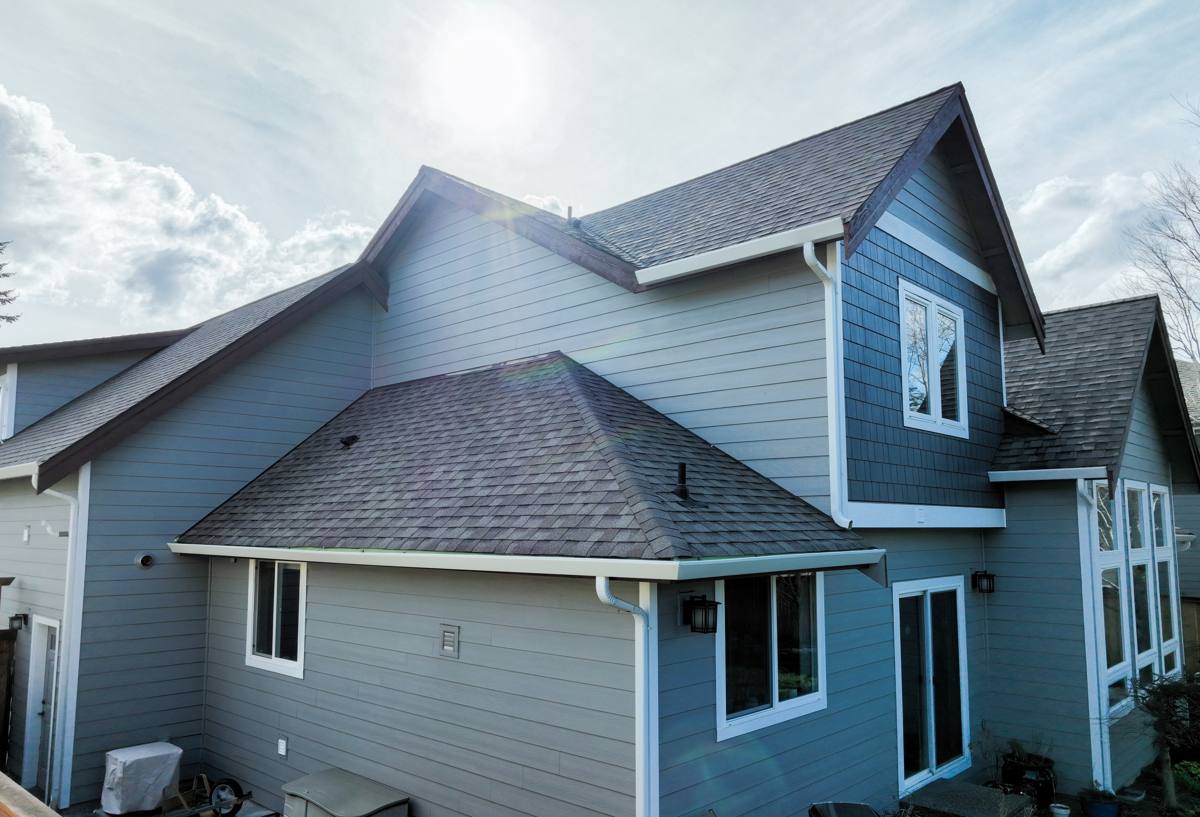
What Coastal Exposure Actually Does to Siding Over Time
It helps to understand the specific mechanisms at work, because they explain why some siding fails early on the beach side of Manatee County while holding up fine elsewhere.
Salt Air and Corrosion
Airborne salt settles on every exterior surface, including the fasteners and trim behind your siding. Over years, that accelerates corrosion in metal components that aren't rated for coastal exposure — nails, flashing, and hardware — which can loosen panels or create hidden entry points for water long before the siding itself looks obviously bad.
UV Breakdown
Florida sun is intense nearly twelve months a year. UV radiation breaks down pigments and surface coatings, which is why field-applied paint on siding tends to chalk, fade, and need repainting on a shorter cycle here than in most of the country.
Moisture and Wind-Driven Rain
Storms in this area don't just bring rain — they push it sideways, forcing water into every seam, joint, and fastener hole that isn't properly detailed. Siding systems that rely on caulk alone, rather than proper flashing and drainage, tend to trap that moisture instead of shedding it.
Wind Load
Hurricane-force gusts put real physical stress on siding panels and their fasteners. A product or installation that's marginal on wind resistance can fail — or simply loosen over several storm seasons — well before it reaches the end of its expected life.
Signs Your Bradenton Beach Home's Siding Needs Replacing, Not Just Patching
Not every issue calls for a full replacement, but coastal homes tend to show certain patterns that are worth taking seriously rather than papering over with another round of caulk and paint.
- Soft or spongy spots when you press on the siding, especially near the bottom courses or around windows and doors
- Visible cracking, buckling, or warping across multiple sections rather than one isolated spot
- Paint that's failing faster and faster with each repaint cycle, or won't hold a finish at all
- Rust streaking from fasteners or trim, which usually signals corrosion happening behind the surface
- A musty smell or discoloration on interior walls that back up to exterior siding
- Siding that's original to a home built more than 20-25 years ago in this environment
- Visible gaps, loose panels, or seams that have opened up after storm seasons
Any one of these on its own might be a repair. Several together, especially on a home that's taken a few hurricane seasons on the barrier island, usually means the underlying system has reached the point where replacement is the more honest recommendation.
Why We Install Only James Hardie Fiber Cement in This Climate
We standardized on James Hardie fiber cement siding for every job we do, including here in Bradenton Beach, and it's a decision built around exactly the conditions described above.
Fiber cement doesn't rot, and it isn't a food source for pests, which removes two of the failure modes that shorten the life of wood-based siding on the coast. It's non-combustible, which matters for insurance and peace of mind regardless of climate. James Hardie's HZ product lines are specifically engineered for high-humidity, high-moisture regions like ours, with a formulation intended to resist the swelling, cracking, and moisture-related damage that generic fiber cement can be prone to in the wrong climate zone. The factory-applied ColorPlus finish is baked on under controlled conditions and backed by its own finish warranty, which matters a great deal here — field-applied paint is exactly what struggles most under constant Gulf-coast UV.
We're not going to tell you every other siding product on the market is worthless; several have real strengths. But when we weigh moisture behavior, installation sensitivity, maintenance burden, and warranty structure against what a barrier-island home actually experiences, Hardie is what we're willing to put our name behind and warranty.
What a Correct Siding Replacement Job Actually Involves
Siding is only as good as what's underneath it and how it's fastened. A rushed installation — even with a great product — will fail early in this environment. A correct job includes:
- Full tear-off and inspection: removing old siding to check the sheathing underneath for hidden rot, soft spots, or prior water damage before anything new goes up
- Sheathing repair: replacing any compromised wood rather than covering it up
- A proper weather-resistive barrier: installed correctly, lapped and sealed to manage the wind-driven rain this area sees
- Correct flashing at every penetration: windows, doors, vents, and roof lines, where most real-world leaks actually start
- Coastal-appropriate fasteners: corrosion-resistant hardware suited to salt air, not standard-grade fasteners that will rust prematurely
- Manufacturer-spec installation: correct nailing patterns, gaps, and clearances so the siding performs to its rated wind resistance and the warranty stays valid
- Careful finishing: caulking, trim, and touch-up work done to hold up to sun and salt, not just look good on install day
Skipping any one of these steps is usually invisible on the day the job is finished — and it's exactly what shows up as a problem two or three storm seasons later.
What Affects the Cost of a Siding Replacement in Bradenton Beach
Every home is different, so we don't quote firm numbers without seeing the property, but these are the main factors that move the price up or down.
| Factor | Why It Matters |
|---|---|
| Home size and wall complexity | More square footage, corners, gables, and trim details mean more material and labor |
| Condition of existing sheathing | Hidden rot or water damage found during tear-off adds repair work before new siding can go on |
| Siding profile and accessories | Lap width, trim style, and soffit or fascia work all affect material cost |
| Color and finish selection | Factory ColorPlus finishes vary by line and color depth |
| Site access | Barrier-island lots, tight setbacks, or limited staging space can affect labor time |
| Permitting requirements | Manatee County wind-load and coastal construction standards apply to exterior work here |
The honest answer is that a proper coastal-grade installation costs more than the cheapest version of the job — but the gap in longevity between a correctly installed, climate-appropriate product and a shortcut installation is exactly where homeowners on the beach end up paying twice.
Why Hiring a Crew That Already Works Bradenton Beach Matters
Siding installation isn't identical everywhere, and a crew that mostly works inland neighborhoods doesn't automatically know how to detail a home a few hundred yards from the Gulf. Working this area regularly means understanding Manatee County's wind-load and coastal construction requirements, knowing which fastener and flashing details actually hold up to salt exposure instead of just meeting minimum code, and being realistic about site logistics on barrier-island lots where staging space and access can be tighter than on the mainland.
It also means we've seen what fails here and what doesn't. That's not something you can get from a manufacturer's install guide alone — it comes from doing the work in this specific environment, repeatedly, and paying attention to what holds up after the next storm season.
Our Process for a Bradenton Beach Siding Replacement
We keep the process straightforward and predictable, because you deserve to know what's happening at every stage of a project on your home.
- On-site inspection: we evaluate your current siding, sheathing condition, and any moisture or wind damage before recommending replacement over repair
- Product and color selection: we walk you through James Hardie's HZ product lines and ColorPlus finish options suited to coastal exposure
- Permitting: we handle the Manatee County permitting process for your project
- Tear-off and prep: old siding comes off, sheathing is inspected and repaired as needed, and your landscaping and property are protected throughout
- Installation to manufacturer spec: weather barrier, flashing, fasteners, and siding installed correctly the first time
- Final walkthrough: we go over the finished work with you and register your James Hardie warranty
Throughout the project, our goal is siding that's still doing its job — quietly, without drama — after years of Gulf sun, salt air, and whatever storm seasons bring.
If your Bradenton Beach home's siding is showing its age or storm wear, we're happy to take a look and give you a straightforward, no-pressure assessment of whether repair or replacement makes sense. Use the form below to request a free estimate.