 Bradenton
 Composite Decking for Bayshore Gardens' Waterfront Conditions
Bayshore Gardens sits close enough to Sarasota Bay that salt air, humidity, and canal moisture are part of daily life for a lot of homeowners here. That's a different environment than an inland Manatee County neighborhood, and it's a different environment than most of the country wood decking was designed for. A deck built here has to hold up to intense year-round UV, wind-driven rain during storm season, salt-laden air off the water, and the occasional hurricane-force wind event. Composite decking, installed correctly, is built to take that kind of punishment far longer than untreated or even pressure-treated wood.
This page is specifically about composite decking for homes in and around Bayshore Gardens — what the local climate demands, what a correct installation actually involves, and why it matters that the crew doing the work already understands this part of Manatee County.
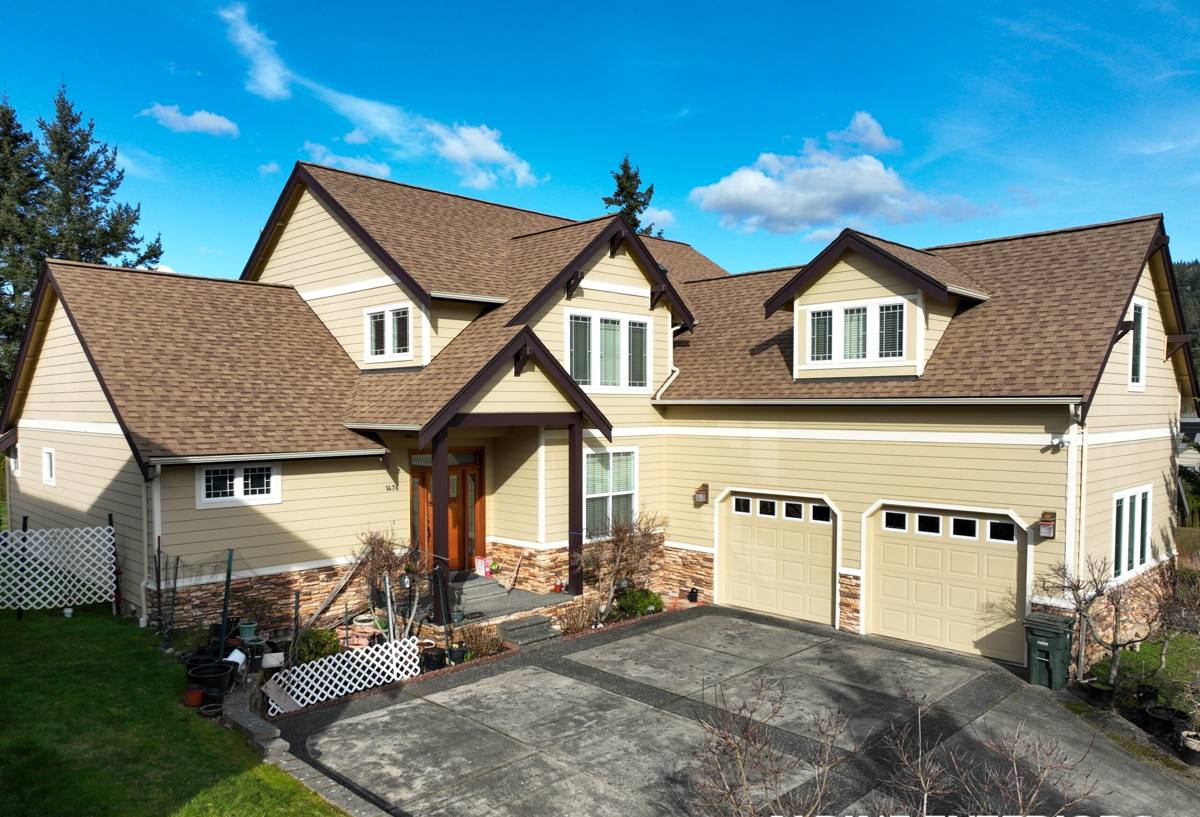
What Bayshore Gardens Homes Actually Need From a Deck
Bayshore Gardens has a lot of canal-adjacent and water-proximate lots, along with older homes from decades past that have already been through plenty of Florida summers. A deck here needs to handle a few things at once, not just one:
- Constant UV exposure — Florida sun is relentless, and it doesn't ease up seasonally the way it does farther north. Materials that fade, chalk, or go brittle under UV won't hold their look or their strength.
- Salt air corrosion — proximity to the bay and connected waterways means salt-laden moisture in the air, which is hard on standard fasteners, uncoated metal hardware, and any wood that isn't properly sealed.
- Wind-driven rain — Florida storms don't just fall straight down; they drive rain sideways into structures, which means end grain, fastener points, and ledger connections all need to be detailed to shed water, not trap it.
- Hurricane-force wind loads — framing and attachment need to meet current wind-load requirements, not just look sturdy.
- Humidity and ground moisture — a lot of local lots sit low and stay damp, which is exactly the condition that rots untreated framing and lets mold take hold under a deck surface.
None of this is unique to composite decking specifically — it's the baseline for anything built outdoors in this part of Manatee County. But it shapes every material and installation decision that follows.
Why This Matters More Near the Water
Homes a few blocks off the bay or along a canal deal with a meaningfully different exposure than homes further inland, even within the same neighborhood. Salt fog travels, and it settles on hardware, fasteners, and any exposed wood grain. Over years, that's what accelerates corrosion and premature wear on a deck that wasn't built with the right materials from the start.
Composite vs. Wood vs. PVC: What Actually Holds Up Here
We get asked to compare decking materials constantly, so here's an honest breakdown for this specific climate — not a sales pitch, just how each material actually behaves in salt air, sun, and humidity.
| Material | UV / Fade Resistance | Moisture & Rot Resistance | Maintenance | Typical Lifespan Here |
|---|---|---|---|---|
| Pressure-treated wood | Fades and grays within 1-2 years without upkeep | Vulnerable if sealant lapses; prone to splitting/cupping in humidity swings | Annual sealing/staining recommended | 10-15 years with consistent upkeep |
| Capped composite | Strong fade resistance, color-stable for years | Won't rot; resists moisture absorption at the core | Occasional washing, no sealing or staining | 25-30+ years |
| Uncapped composite (older-style) | Moderate; more prone to fading/staining over time | Can absorb moisture at cut edges if not sealed | Periodic cleaning, edge sealing at cuts | 15-20 years |
| PVC / cellular composite | Very strong | Fully moisture-resistant, good for wet, low lots | Low; occasional washing | 25-30+ years |
Our standard is capped composite for most Bayshore Gardens projects, because it holds color and structural integrity under sustained UV without the annual upkeep wood demands. On low, damp, or canal-adjacent lots, we'll often talk through PVC or cellular composite as well, since moisture resistance matters more than material cost on those sites.
What a Correct Composite Deck Installation Involves
Composite boards are only as good as what's underneath and holding them together. A lot of deck problems we get called out to fix aren't the decking material's fault at all — they're framing, fastening, or drainage mistakes.
Framing and Structure
Joists and beams need to be sized and spaced for current wind-load requirements, not whatever was standard decades ago. Ledger board attachment to the house has to be flashed correctly so wind-driven rain can't work its way behind the siding — this is one of the most common failure points we see on older decks in this area.
Fasteners and Hardware
In a salt-air environment, standard fasteners corrode faster than the decking itself will wear out. We use stainless steel or coated fasteners rated for coastal exposure, along with hidden fastener systems where the composite product supports it, so the deck surface stays clean and the fastener points aren't sitting exposed to weather.
Ventilation and Drainage
Composite boards need airflow underneath to manage humidity and prevent moisture buildup in the frame below. On low or shaded lots common around Bayshore Gardens, we pay close attention to grading and airflow so water doesn't pool under the deck after a heavy summer storm.
Expansion Gaps
Composite material expands and contracts with heat more than people expect. Boards installed without correct gapping can buckle or push against fascia and railings after a few Florida summers. Getting this right at installation avoids a callback years later.
Cost Factors for a Bayshore Gardens Deck Project
Every deck is priced around the specifics of the lot and the design, but these are the factors that actually move the number:
| Factor | Why It Affects Cost |
|---|---|
| Deck size and shape | More linear footage of framing, fascia, and railing; complex shapes add labor |
| Height off grade | Elevated decks need more substructure, stairs, and code-required railing |
| Material tier | Uncapped composite, capped composite, and PVC carry different material costs |
| Site access and grading | Low, wet, or hard-to-access lots need extra prep before framing starts |
| Railing and lighting | Composite or aluminum railing, post caps, and integrated lighting add to scope |
| Removal of an existing deck | Tear-out and disposal of old wood decking adds time before the new build begins |
We'll walk through all of this during an on-site estimate so you know exactly what's driving the price before any work starts.
Our Process, Start to Finish
- On-site assessment: we look at the lot, grading, existing structure (if any), and sun/wind exposure specific to your property.
- Material walkthrough: we go over composite tiers honestly, including trade-offs in cost, appearance, and long-term maintenance.
- Design and layout: board direction, railing style, stairs, and any built-in features are planned around how you'll actually use the space.
- Permitting: we handle the permit process required for new deck construction in Manatee County.
- Demo (if needed): removal and disposal of an existing deck before framing begins.
- Framing and installation: structure, fastening, ventilation, and board installation done to the standards outlined above.
- Final walkthrough: we go over the finished deck with you before calling the job done.
Maintaining a Composite Deck in This Climate
One of the real advantages of composite decking is how little upkeep it needs compared to wood — but "low maintenance" doesn't mean "no maintenance," especially with salt air and intense sun in the mix.
- Rinse the deck surface periodically to clear salt residue and airborne debris, especially on homes closer to the bay or canals
- Sweep away leaves and organic debris promptly so they don't trap moisture against the board surface
- Check railing posts and fastener points annually for any corrosion, particularly on hardware in salt-exposed areas
- Keep gutters and downspouts near the deck clear so runoff doesn't pool against the structure
- Trim back landscaping that shades the deck surface excessively, which can slow drying after rain and encourage mildew
Why Hiring a Crew That Already Works in Bayshore Gardens Matters
A contractor who works this specific area regularly already knows which lots sit low and hold water, which streets get the most direct salt exposure off the bay, and how local permitting and inspection actually work in Manatee County — not just in theory, but from having done it. That local familiarity shows up in decisions you might not notice on the surface: fastener selection, grading around the substructure, flashing details at the ledger board. Those are the details that determine whether a deck is still solid in fifteen years or needs early repairs because it was built to a generic standard instead of a coastal Florida one.
We're not asking you to take our word for the climate risks — hurricane wind, UV, salt air, and wind-driven rain are simply the reality of building anything outdoors in this part of Florida. What we're offering is an installation approach that's built around that reality from the framing up, not decking dropped onto a generic build.
Get a Free, No-Pressure Estimate
If you're considering a new composite deck or need to understand your options for replacing an aging one in Bayshore Gardens, we're happy to come take a look and walk you through it honestly — no pressure, no pushy sales tactics. Use the form below to request a free estimate.