 Bradenton
 Bayshore Gardens Is a Tougher Environment for Siding Than It Looks
Bayshore Gardens is one of the older, established residential neighborhoods on Bradenton's west side, close enough to open water that salt-laden air is a daily fact of life for anything left exposed outdoors. Add in Manatee County's year-round UV load, seasonal tropical systems, and the wind-driven rain that comes with them, and you have a combination that ages exterior siding faster than almost anywhere else in the country. Homes here don't fail because the original siding was installed carelessly — they fail because most siding products simply were not engineered for this particular mix of stressors, applied every single day for decades.
When we talk to Bayshore Gardens homeowners about replacing their siding, the conversation is rarely about looks alone. It's about what's happening behind the siding — moisture intrusion, fastener corrosion, substrate rot — that isn't visible from the curb but is quietly driving up the cost of waiting.
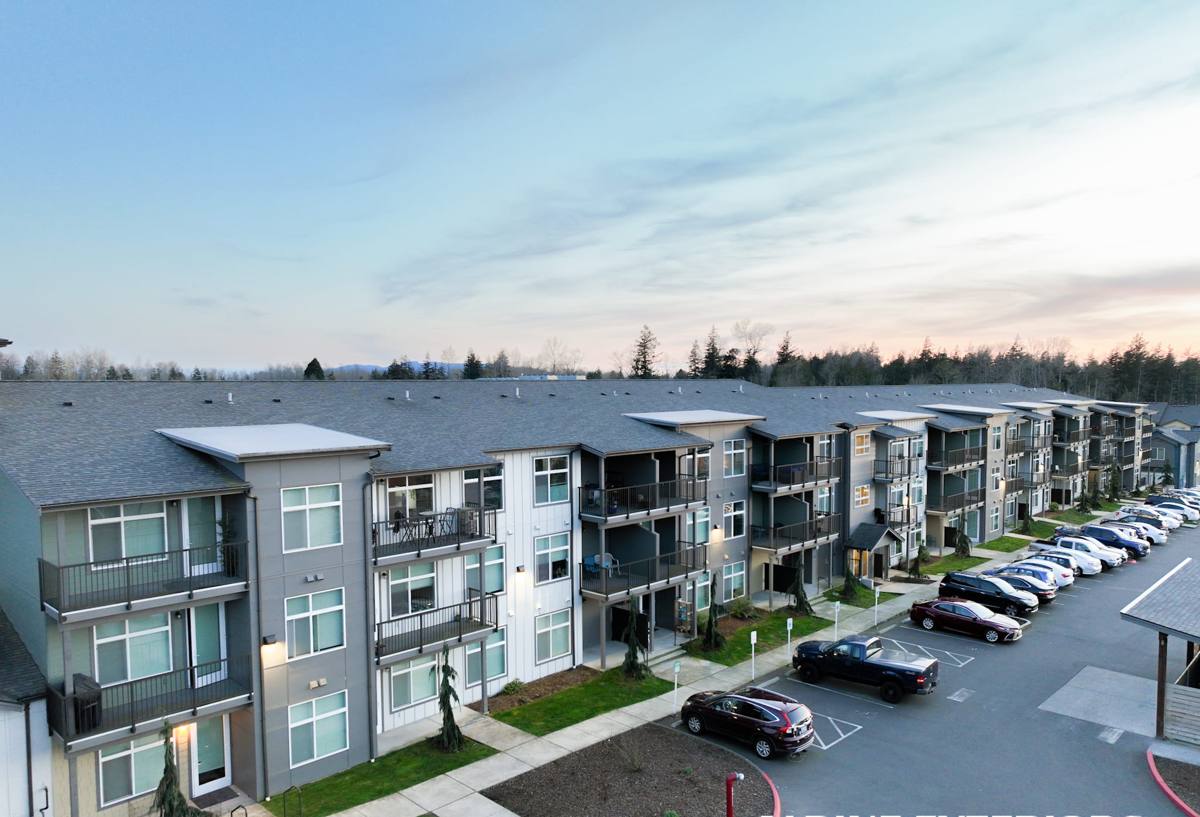
What This Climate Actually Does to Siding Over Time
Salt Air and Corrosion
Airborne salt doesn't just dull paint. It accelerates corrosion on fasteners, flashing, and any metal trim components, and it works its way into seams and laps that weren't detailed to shed water. Over years, that corrosion loosens the mechanical connection holding siding panels to the wall, which is exactly when wind events start finding weak points.
Wind-Driven Rain
Bradenton doesn't just get rain — it gets rain pushed sideways by tropical storm and hurricane-force winds. Wind-driven rain finds any gap in a lap joint, any under-caulked seam, or any spot where house wrap wasn't properly lapped, and it pushes moisture behind the cladding instead of letting it run down the face of the wall. That's a fundamentally different load than what siding sees in most of the country, and it's why installation detail matters more here than the brand name on the box.
Year-Round UV
Florida sun is relentless and consistent, twelve months a year. Field-applied paint finishes chalk, fade, and crack under that kind of exposure far sooner than manufacturers' warranties assume, which is why so many Bradenton homes need repainting on a much shorter cycle than homeowners expect when they move here from elsewhere.
Humidity and Moisture Cycling
Constant humidity means siding materials that absorb water are almost never fully dry. That sustained moisture content is what drives swelling, delamination, and rot in moisture-sensitive substrates, and it's a slow process — by the time it's visible from the street, it's usually been progressing behind the wall for a while.
Signs a Bayshore Gardens Home Needs Siding Replacement, Not Just Repair
Not every issue means a full tear-off. But in this climate, small symptoms tend to point to bigger problems underneath. Before we recommend replacement over a patch, we look for:
- Soft or spongy spots when you press on the siding, especially near the bottom courses and around windows
- Visible cracking, buckling, or warping across multiple panels rather than one isolated area
- Paint that's failing in sheets or bubbling rather than simply fading
- Rust streaks running down from fasteners or trim
- Gaps opening up at seams, corners, or where siding meets trim and window frames
- A musty smell or visible staining on interior walls that share an exterior wall with damaged siding
- Siding that's original to a home built more than 20-25 years ago and has never been fully replaced
Any one of these on its own might be a repair. Several together, especially on a home that's had years of direct salt and wind exposure, usually means the underlying moisture barrier and substrate need to be evaluated as part of a full replacement, not just the visible siding.
What a Correct Siding Replacement Involves
Full Tear-Off and Substrate Inspection
We don't install new siding over old. Every job starts with removing the existing material down to the sheathing so we can actually see what's there — rot, prior water damage, and any framing issues that need to be addressed before new siding goes on. Covering up a problem with new material over it is how homeowners end up paying for the same repair twice.
Weather-Resistive Barrier, Done Right
The house wrap or weather-resistive barrier behind the siding is arguably more important than the siding itself when it comes to keeping wind-driven rain out of the wall assembly. Laps need to run correctly, seams need to be taped, and penetrations for outlets, hose bibs, and vents need to be properly flashed. This is the layer that fails silently when it's rushed.
Fastening for Wind Load
Manatee County's wind zone requirements exist because storm-force wind isn't a rare event here — it's a planning assumption. Correct fastener type, spacing, and embedment aren't optional details; they're the difference between siding that stays on the wall in a serious storm and siding that doesn't.
Flashing, Trim, and Sealant Details
Most siding failures we open up didn't start with the panel — they started at a window head, a corner, or a butt joint where flashing was skipped or sealant was used to do a flashing's job. Sealant is a backup, not a waterproofing strategy on its own.
Correct Clearances
Siding installed too close to grade, decks, or roof lines traps moisture against the bottom edge. We hold proper clearances so water has somewhere to go instead of wicking up into the material.
Why We Install Only James Hardie Fiber Cement
We get asked regularly why we don't offer vinyl, LP SmartSide, or other engineered wood and composite products. It's a fair question, and the honest answer is that in a climate like Bradenton's, the trade-offs on those products stop making sense once you factor in what the sun, salt, and storms actually do here year after year.
| Consideration | Common Alternatives | James Hardie Fiber Cement |
|---|---|---|
| Heat and UV exposure | Vinyl can soften, warp, or distort in sustained heat and direct sun | Rigid fiber cement holds its shape under Florida heat and UV |
| Moisture sensitivity | Engineered wood products rely on strict edge-sealing and installation discipline to resist swelling | Fiber cement is not wood-based and does not swell or rot from moisture absorption |
| Combustibility | Wood-based and some composite sidings are combustible | Non-combustible material composition |
| Finish longevity | Field-applied and factory finishes vary widely in fade and chalk resistance under constant sun | ColorPlus factory finish is baked on and engineered for long-term color retention |
| Storm performance | Performance depends heavily on gauge, fastening, and product-specific installation tolerances | HZ product lines are engineered for high-humidity, high-wind climate zones like ours |
None of this means other products are junk — vinyl is inexpensive and easy to install, and engineered wood has its place in drier climates. But we're a Bradenton crew working exclusively in salt air, hurricane wind, and year-round UV, and we've made a professional decision to stand behind one system that's built for exactly this environment: James Hardie fiber cement, installed to spec, with a strong transferable warranty behind it. That's what goes on every home we side, full stop.
Our Process for a Bayshore Gardens Siding Replacement
- On-site assessment — we walk the exterior, check for soft spots and moisture signs, and look at trim, flashing, and window details, not just the siding panels
- Written scope and estimate — what's being removed, what substrate repairs (if any) are anticipated, and what's included in the new install
- Tear-off and inspection — full removal down to sheathing, with photos of anything we find so you're not guessing what's behind your walls
- Weather barrier and flashing installation — the layer that actually keeps wind-driven rain out
- James Hardie installation to manufacturer and wind-code spec — correct fastening, clearances, and joint detailing
- Final walkthrough — we go over the finished work with you before we consider the job done
Cost Factors for Siding Replacement in This Area
Every home is different, and we don't quote sight-unseen numbers, but the variables that move the price on a Bayshore Gardens job tend to be consistent:
| Factor | Why It Matters |
|---|---|
| Home size and wall complexity | More corners, gables, and dormers mean more cutting, flashing, and labor time |
| Substrate condition | Rot or water damage found during tear-off adds repair scope before new siding can go on |
| Siding profile and trim selection | Lap width, trim style, and accent details affect material and labor cost |
| Access and site conditions | Tight lots, mature landscaping, or limited staging area can add time |
| Existing damage from prior storms | Older homes with deferred repairs often need more substrate work than newer ones |
Broadly, a full siding replacement is a multi-thousand-dollar investment, and the range varies enough between homes that a firm number only comes after an actual walk-through — anyone quoting a precise price over the phone without seeing your home isn't giving you a real number.
Why Hiring a Crew That Already Works Bayshore Gardens Matters
A contractor who works this specific area regularly knows what to expect before the first panel comes off — how the older housing stock in this part of Bradenton was originally built, which detailing tends to fail first in homes exposed to this level of salt and wind, and what the local permitting process actually requires before work starts. That's different from general familiarity with "Florida siding." It's the difference between a crew that's seen this exact combination of climate stress on this exact type of neighborhood many times, and one that's applying generic assumptions to a job that doesn't forgive shortcuts.
It also matters for accountability. A local crew is easy to reach after the job is done, stands behind a transferable manufacturer warranty, and isn't relying on a one-time job in your neighborhood to make its reputation — the reputation already exists because of the other homes on nearby streets.
Get a Straight Answer About Your Siding
If you're seeing warning signs on your Bayshore Gardens home, or you're just planning ahead before the next storm season, we're happy to take a look and give you an honest assessment — no pressure, no inflated urgency. Request a free estimate below and we'll walk your home's exterior with you and explain exactly what we see and what we'd recommend.