 Bradenton
 Why Storm Damage Roof Repair Looks Different on Longboat Key
A roof on Longboat Key takes a harder hit from a storm than a comparable roof a few miles inland, and it keeps taking a beating long after the wind dies down. This is a narrow barrier island running between the Gulf of Mexico and Sarasota Bay, exposed on both sides to wind, salt, and sun with very little to break any of it up. When a named storm or a strong seasonal squall line moves through Manatee and Sarasota counties, Longboat Key roofs see higher sustained wind, more wind-driven rain forced sideways into places a roof was never meant to shed water from, and salt-laden air that starts working on exposed metal again almost as soon as the storm passes.
Storm damage roof repair done right out here isn't just patching what's visibly broken. It means understanding how this island's conditions actually load a roof, catching the damage that isn't obvious from the ground, and repairing it in a way that holds up through the next storm season rather than the next rain. This page covers what storms actually do to a Longboat Key roof, how a correct repair is diagnosed and scoped, and why a crew that already works this island — rather than one seeing it for the first time on your project — makes a real difference in the outcome.
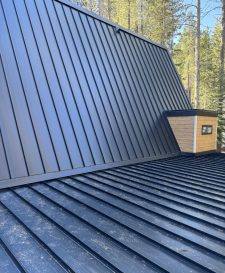
What Storms Actually Do to a Roof Out Here
Wind Uplift and Lifted or Missing Shingles, Tiles, or Panels
Hurricane-force wind doesn't just push against a roof — it creates uplift pressure at edges, ridges, and corners that can lift shingles, crack or displace tile, or work at the seams of a metal roof. Sometimes the damage is obvious: missing shingles, a cracked tile, a section of ridge cap gone. Just as often, wind loosens fasteners and lifts material just enough to break the seal without anything falling off, which leaves a roof that looks intact from the driveway but is no longer sealed against wind-driven rain.
Wind-Driven Rain Intrusion
Ordinary rain runs down a roof and off the edge the way it's designed to. Wind-driven rain during a storm gets pushed sideways and even upward, finding its way under shingle tabs, around tile, through compromised flashing at valleys and penetrations, and into any seam that's lost its seal. This is why a roof can leak during a major storm even when nothing appears physically missing — the water didn't come through a hole, it got pushed in under material that wind uplift had already loosened.
Salt Air and Corroding Metal Components
Longboat Key's position between the Gulf and the bay means salt-laden air reaches roofs from more than one direction, and it works on metal continuously, not just during storms. Flashing, drip edge, fasteners, and vent boots corrode faster here than they would on an inland Manatee County roof, and corroded metal is one of the most common reasons a repair that looked cosmetic on the surface turns out to involve a failed flashing detail underneath. Corrosion also tends to accelerate right after a storm, when salt spray and standing debris sit on the roof longer than usual.
Debris Impact and Granule or Surface Loss
Wind-carried debris — branches, palm fronds, loose material from neighboring properties — causes direct impact damage that can crack tile, dent metal panels, or knock granules loose from asphalt shingles. Granule loss exposes the shingle's asphalt layer to direct UV, and Florida's year-round sun load accelerates the breakdown of any surface that's lost its protective layer. A storm can leave a roof with damage that looks minor on inspection day and gets meaningfully worse over the following months of sun exposure if it isn't addressed.
Signs You May Have Storm Damage
Some storm damage is obvious. A lot of it isn't, especially from ground level. After any significant wind event, it's worth checking for:
- Missing, cracked, curled, or visibly lifted shingles or tiles anywhere on the roof, not just the sides facing the storm
- Granules collecting in gutters or at downspout outlets, which signals accelerated shingle wear
- New or worsening water stains on interior ceilings or upper walls, especially after rain
- Soft spots, sagging, or visible movement in the roof deck when viewed from the attic
- Dented, creased, or lifted metal panels or flashing, particularly around vents, chimneys, and valleys
- Debris accumulation in valleys or against roof-to-wall transitions that traps moisture against the surface
- Daylight visible through the roof deck from inside the attic, which is a clear sign of a breach that needs immediate attention
Any one of these is a reason to get a real inspection rather than wait and see. Roof damage that goes unaddressed tends to get more expensive to fix the longer it sits, particularly once water reaches the deck or interior structure.
Emergency Mitigation vs. Permanent Repair
Right after a storm, the priority is stopping active water intrusion, not necessarily finishing the full repair on day one. Temporary measures — tarping an exposed section, sealing an obvious breach, clearing debris that's trapping water — protect the interior of the home while a proper repair is scoped and, if needed, coordinated with insurance. Skipping straight to a permanent repair before the full extent of damage is known can mean missing damage that's still hidden, while never following up on temporary mitigation leaves a home exposed to the next rain. Both steps matter, and they're not interchangeable.
How We Diagnose the Roof Before Recommending Anything
A repair scope that's actually accurate starts with a full inspection, not a guess based on what's visible from the ground. That typically includes:
- A full-surface inspection of the roof itself, checking every field, edge, ridge, and valley — not just the side that faced the storm
- Checking flashing at every penetration, valley, and roof-to-wall transition, since these are the most common failure points after wind events
- An attic inspection for water staining, deck movement, or daylight at seams, which often reveals damage the exterior alone doesn't show
- Checking fasteners and metal components for wind loosening or salt-related corrosion
- Assessing whether granule loss or surface wear from this event has meaningfully shortened the roof's remaining service life
- Documenting findings clearly enough to support an insurance claim if the damage qualifies
We walk through what we find honestly, including when a roof only needs a targeted repair rather than the larger scope a homeowner may be expecting after a bad storm.
Repair Scope by Roof Type
How a storm-damaged roof gets repaired depends heavily on the roofing material involved. Each system fails differently and gets fixed differently.
| Roof Type | Common Storm Vulnerability Here | Repair Consideration |
|---|---|---|
| Asphalt shingle | Wind uplift at edges and ridges, granule loss, seal failure | Matching shingle profile and color; checking underlayment condition where shingles were removed |
| Concrete or clay tile | Cracked or displaced tile from wind and debris impact | Sourcing matching tile profile; checking underlayment and fastening beneath disturbed tile, not just the tile itself |
| Metal (standing seam or panel) | Panel or seam lift at edges, fastener loosening, salt corrosion at cut edges and flashing | Proper reseaming or panel replacement; upgrading corroded fasteners to coastal-rated hardware |
| Flat or low-slope (membrane) | Membrane lifting or seam separation, ponding after debris blocks drainage | Full seam inspection, not just the visibly damaged area, since membrane failures often extend past what's obvious |
In every case, the underlying deck and flashing matter as much as the visible roofing material. A repair that replaces damaged shingles or tile over compromised flashing or a weakened deck is addressing the symptom, not the cause.
What a Correct Repair Involves
Matching Materials Without Cutting Corners
Repairing storm damage usually means working with whatever roofing system is already on the house. Matching shingle profile and color, sourcing comparable tile, or correctly reseaming metal keeps a repair from becoming a visible patch and, more importantly, keeps the repaired section performing the way the rest of the roof does under wind load. On older roofs, an exact match isn't always available, and we'll say so upfront rather than after the work is done.
Flashing and Underlayment Get the Same Attention as the Surface
Most leaks that show up after a storm trace back to flashing or underlayment, not the shingles or tile themselves. A repair that replaces surface material without correcting a failed flashing detail or compromised underlayment underneath tends to leak again in the same spot, often during the next storm rather than years down the road.
Fastening and Sealing to Actually Resist the Next Storm
Where we replace fasteners or reseal a section, we use hardware and methods sized for coastal wind exposure, not a minimum like-for-like swap. This is one of the clearest places a repair either holds up through the next storm season or comes loose again on a similar timeline, and it's a detail that's easy to skip if a crew is rushing through storm-season backlog.
Permits and Code Compliance
Roof repair work in Manatee County generally requires permitting once it goes beyond the smallest cosmetic fix, and code requirements around wind resistance are not optional extras — they're the baseline a repair needs to meet. We pull the permits a repair actually requires and build to current code, not to whatever standard was in place when the roof was originally installed.
Working With Your Insurance Company
Storm damage claims move faster and more smoothly when the documentation is thorough from the start. A clear, dated inspection record — photos, a written scope, and an honest account of what's storm-related damage versus pre-existing wear — gives an adjuster what they need to evaluate a claim accurately. We document what we find as part of every storm inspection, and we're straightforward about which damage is likely storm-related and which isn't, because inflating a claim or downplaying real damage both cause problems later, either with the insurer or with the roof itself.
Why It Matters That We Already Work Longboat Key
A roofing crew based further inland can still do competent repair work here, but a barrier island roof carries variables that come up more consistently on Longboat Key than elsewhere in the Bradenton and Sarasota area — corrosion patterns tied to exposure from both the Gulf and the bay, wind load requirements connected to open-water exposure, and, on some properties, permitting considerations tied to waterfront location. Working this island regularly means we're not learning those variables mid-project. We know what fastener and flashing detail actually holds up out here, what a repair needs to survive a real storm season rather than just look finished, and how local permitting works for repair scopes on this kind of property, because we've handled it before on roofs like yours.
That familiarity also means a more accurate first inspection — fewer surprises once work is underway, because the assessment accounted for how this environment actually behaves rather than applying a generic checklist built for an inland roof.
Whether you're dealing with obvious storm damage or just want a straight assessment after a rough weather event, we're glad to walk the roof and tell you honestly what we find, including if the answer is that it doesn't need much. Reach out below for a free, no-pressure estimate.