 Bradenton
 Why Window Installation in Holmes Beach Is Its Own Job
Holmes Beach sits on Anna Maria Island, a barrier island in Manatee County with the Gulf of Mexico on one side and Anna Maria Sound on the other. That location is the whole reason window installation here is not the same job as window installation a few miles inland in Bradenton. Homes on the island take on salt-laden air almost every day of the year, sit exposed to open water wind with very little tree cover or terrain to slow it down, and bake under strong sun for most of the year. Windows installed the way you'd install them in a typical inland subdivision don't hold up the same way out here, and homeowners who've dealt with a leaking frame or a corroded lock mechanism after only a few years usually find out why the hard way.
Doing this correctly means treating every install as a coastal install from the start — the right product, the right flashing and sealant approach, and fasteners and hardware that won't corrode out from under the frame. That's the standard we hold every Holmes Beach job to.
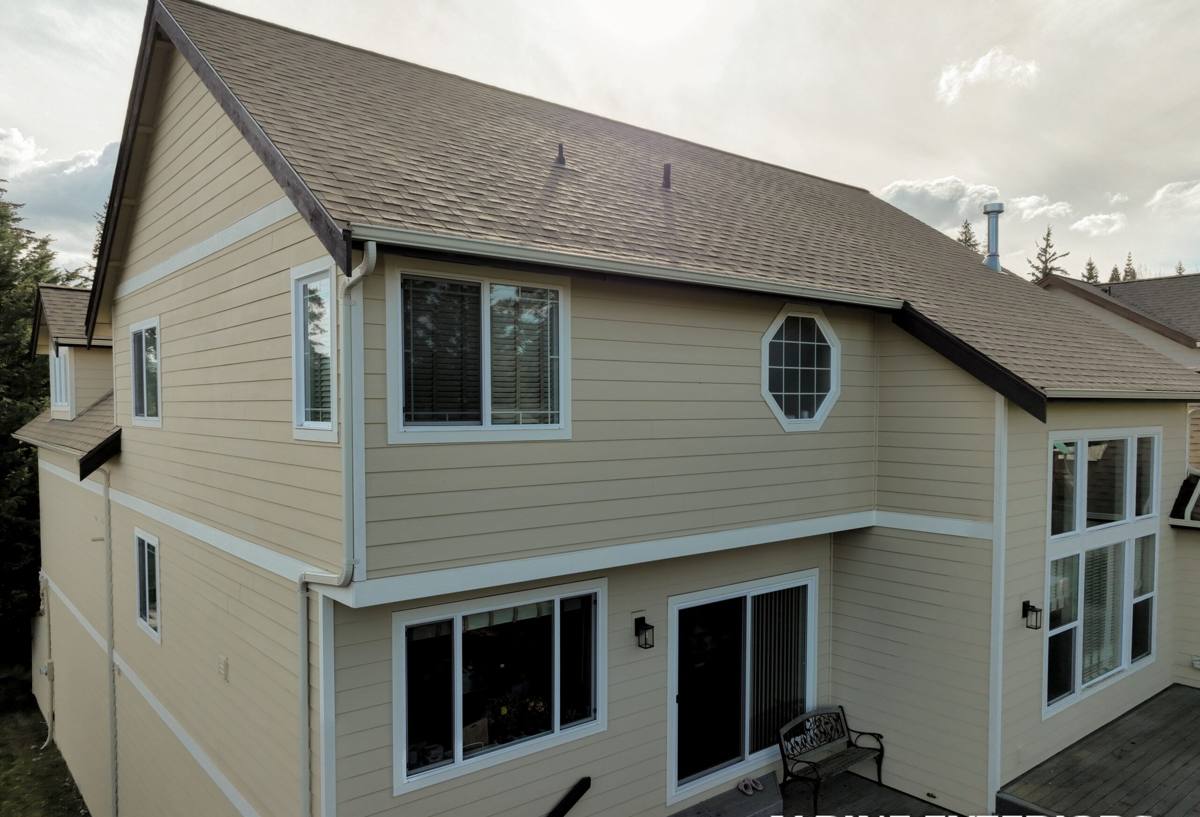
What Barrier Island Conditions Actually Do to Windows
It helps to understand the specific ways coastal exposure wears on a window, because it explains almost every decision that goes into a correct installation.
- Salt air corrosion: airborne salt settles on and around metal components — screws, hinges, balance hardware, and uncoated aluminum — and accelerates corrosion far faster than it would happen inland.
- UV breakdown: constant sun exposure degrades vinyl, weatherstripping, and sealants over time, making them brittle and prone to cracking or shrinking away from the frame.
- Wind-driven rain: open exposure to Gulf winds pushes rain sideways and under pressure, which means any gap in flashing or sealant that would be a non-issue inland becomes a real intrusion point on the island.
- Constant pressure cycling: frequent storms and gusty conditions put windows through repeated flex, which is hard on poorly anchored frames and low-quality seals.
None of this means island homes need to over-engineer everything. It means the product selection and the installation details have to match the actual environment the window will live in, not a generic spec sheet.
Florida Building Code and Wind-Borne Debris Requirements
Manatee County, including the barrier island communities, falls within a wind-borne debris region under the Florida Building Code. In practical terms, that means new windows and full-frame replacements generally have to either be impact-rated or paired with an approved protective covering, and the products used need to carry current Florida product approval for the wind pressures and exposure category that apply to the site. Local building departments review this at permitting, and inspectors check that the installed product matches what was actually permitted — not a substitute swapped in on install day.
Because Holmes Beach is its own municipality, permitting and inspection can run a little differently than it does in unincorporated Manatee County or in the city of Bradenton. A crew that pulls permits here regularly knows what documentation the local building department expects up front, which keeps a project from stalling out waiting on paperwork corrections.
We handle the permit application and coordinate the inspection as part of the job — homeowners shouldn't have to become code experts to get a straightforward window replacement approved.
Choosing the Right Window for a Holmes Beach Home
Impact-Rated Windows
Impact-rated windows use laminated glass bonded to resist penetration from wind-borne debris and are tested and rated as a complete assembly with the frame. For barrier island homes, they're generally the lower-maintenance long-term choice: no shutters to install, store, or deploy before a storm, and the laminated glass also cuts down on UV transmission and outside noise year-round.
Non-Impact Windows With Protective Coverings
Standard windows paired with code-approved shutters or panels can meet the wind-borne debris requirement at a lower upfront cost, but they shift the burden onto the homeowner to install coverings ahead of every storm, and the glass itself gets no extra protection or UV benefit day-to-day.
The table below lays out the main factors we walk homeowners through when deciding between the two on an island property.
| Factor | Impact-Rated Windows | Non-Impact + Shutters |
|---|---|---|
| Storm prep required | None — glass is always protected | Shutters/panels must be installed before each storm |
| Upfront cost | Higher | Lower |
| Daily UV and noise reduction | Better — laminated glass filters more UV, dampens sound | No added benefit outside storm events |
| Storage / maintenance burden | Minimal | Shutters need storage space and periodic upkeep |
| Insurance considerations | Often favorable, varies by carrier | Varies by carrier and covering type |
There isn't a universally "right" answer — a second home used only part of the year has different needs than a full-time residence where deploying shutters before every storm watch isn't realistic. We talk through how the home is actually used before recommending a direction.
What a Correct Window Installation Actually Involves
The window product matters, but most window failures we get called out to fix trace back to installation shortcuts, not the product itself. A correct install includes:
- Opening inspection: checking the rough opening and surrounding structure for existing water damage, wood rot, or corrosion before anything new goes in. Installing a new window into a compromised opening just hides the problem.
- Proper flashing and waterproofing: integrating flashing with the building's existing water management layer so wind-driven rain has nowhere to track behind the new frame.
- Correct fastening: using fastener type, spacing, and embedment that match both the manufacturer's tested installation instructions and the wind load the opening was engineered for — this is what makes the window's impact rating actually valid once it's in the wall, not just on paper.
- Shimming and leveling: setting the frame square and supported so it operates smoothly and doesn't rack under wind pressure.
- Sealant application: using a sealant rated for exterior, high-UV, coastal exposure, applied at the joints most likely to see wind-driven rain.
- Interior and exterior finish work: trim, caulking, and paint touch-up so the finished opening looks clean and is fully weather-sealed, inside and out.
- Function and water test: confirming the window opens, closes, and locks correctly, and checking for any sign of intrusion before we call the job done.
Mistakes We See From Rushed or Out-of-Area Installs
Because Holmes Beach draws a lot of seasonal work and out-of-town crews, we regularly get called in after a previous installation starts causing problems. The recurring issues are almost always the same few things:
- Flashing skipped or installed incorrectly, so water intrusion doesn't show up until it's already caused interior damage.
- Fasteners that don't match the substrate — using the wrong fastener type into block, stucco, or wood framing undermines the entire wind rating of the install.
- A new window installed into an opening with existing rot or corrosion that was never addressed.
- Product installed that doesn't actually match the wind pressure and exposure rating the specific opening needs, which can also create problems if the work is ever reviewed at resale or during an insurance inspection.
- Sealant that isn't rated for sustained UV and salt exposure, which fails years earlier than it should.
These aren't exotic problems — they're what happens when a crew treats a barrier island job like any other job. Slowing down on the details up front is what prevents them.
Our Process, Start to Finish
We keep the process straightforward and try to remove the guesswork for homeowners who may only go through a window project once every couple of decades:
- On-site assessment: we look at the existing openings, note any water damage or structural concerns, and take accurate measurements.
- Product selection: we walk through impact versus non-impact options, frame materials, and glass packages based on how the home is used and its exact exposure.
- Permitting: we prepare and submit the permit application with the local building department and handle the required documentation.
- Installation: our crew removes the old units, inspects and preps each opening, and installs following manufacturer instructions and code requirements — not shortcuts.
- Final inspection and walkthrough: we coordinate the required building inspection and walk the homeowner through the finished work before considering the job complete.
Keeping Your New Windows Performing After Installation
A correct installation gets you most of the way there, but coastal conditions mean windows benefit from a little routine attention. This is the maintenance checklist we give Holmes Beach homeowners after every install:
- Rinse frames and tracks with fresh water periodically to clear salt buildup, especially after windy periods off the Gulf.
- Inspect exterior sealant once or twice a year for cracking or separation and have it addressed before it becomes a leak.
- Keep weep holes along the bottom track clear of sand, debris, and insect nests so water can drain as designed.
- Lubricate locks, hinges, and balance hardware with a product safe for the specific hardware finish.
- After any significant storm, check for new gaps, water staining, or hardware that feels different to operate — small changes are easier to fix than big ones.
Why a Bradenton Crew That Already Works Holmes Beach Matters
Anna Maria Island isn't just Bradenton with a view. Access is limited to a couple of bridges, staging materials on-island takes planning, and the local building department has its own permitting rhythm separate from mainland Manatee County. A crew that already works Holmes Beach regularly isn't learning these logistics on your project — they show up knowing how to stage a job efficiently, what the local inspectors look for, and how to keep a project moving without the delays that come from figuring it out for the first time on-island.
It also matters after the install is done. If hurricane season brings a storm through and you need someone to check a window or handle a warranty item, a crew based nearby in Bradenton can get back out to the island a lot faster than a company that only shows up for the original sale.
If you're planning a window project for a Holmes Beach home, we're happy to walk the property, look at what you're working with, and give you a straightforward, no-pressure estimate — just fill out the form below to get started.