 Bradenton
 Samoset Homes Face a Different Set of Demands Than Most of the Country
Samoset sits in the middle of Manatee County's dense residential fabric, close enough to the Gulf and Tampa Bay that salt-laden air, humidity, and storm exposure are part of daily life for every exterior surface on a house. Siding here isn't just cosmetic. It's the first line of defense against wind-driven rain, intense year-round UV, and the pressure swings that come with tropical storms and hurricanes moving through the region. A siding product or installation method that works fine in a dry, mild climate can fail here in a fraction of the time.
That's why siding installation in this part of Bradenton has to be approached differently than it would be in most of the country. The material has to tolerate constant moisture cycling without swelling or rotting. The installation has to account for wind uplift at levels most regions never see. And the finish has to hold its color and integrity under sun exposure that fades and degrades weaker materials within a few years. This page walks through what correct siding installation actually involves for a Samoset home, and why the details matter more here than almost anywhere else.
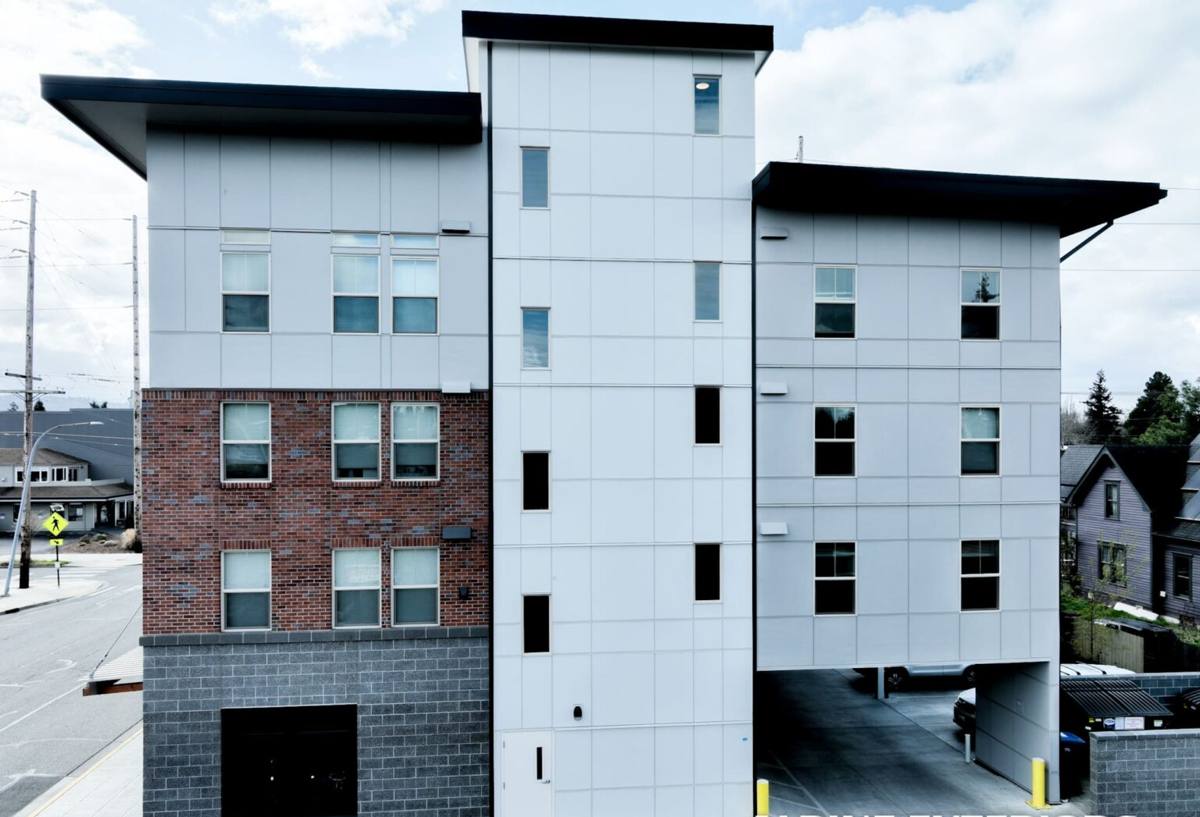
What Bradenton's Climate Actually Does to Siding
It helps to understand the specific mechanisms at work before talking about installation methods, because every step of a correct install exists to counter one of these forces.
Wind-Driven Rain and Moisture Intrusion
Manatee County storms don't just drop rain straight down — wind pushes it sideways, forcing water into laps, seams, and fastener penetrations that would stay dry in a calmer climate. Siding that isn't installed with the right overlaps, flashing, and sealant details will let that water behind the panel, where it can sit against sheathing and framing for days after a storm passes.
UV Exposure
Florida gets more direct, high-intensity sun than most of the country, essentially year-round. Paint and coatings that aren't engineered for this level of UV exposure chalk, fade, and crack faster here than in northern climates, which shortens the real service life of a siding job even if the material itself is technically sound.
Salt Air
Coastal and near-coastal air in this region carries salt that accelerates corrosion on fasteners, trim, and any metal components in a siding system. Over time, unprotected or under-spec'd hardware becomes a weak point long before the siding panels themselves show wear.
Wind Load and Storm Pressure
Hurricane-force and tropical-storm-force winds create both direct pressure and suction (uplift) on exterior walls. Fastening patterns, nail spacing, and panel engineering all have to be matched to the wind exposure category of the specific home and its height, not just installed to a generic national minimum.
What a Correct Siding Installation Involves
A siding job is only as good as the layers homeowners never see once it's finished. On a Samoset home, we treat each of the following as non-negotiable, not optional upgrades.
Tear-Off and Substrate Inspection
We remove the old siding rather than install over it. That's the only way to actually see the sheathing, framing, and any existing moisture damage before it gets sealed behind a new wall system. Hidden rot or soft sheathing has to be addressed before new siding goes on — covering it up only delays and worsens the problem.
Weather-Resistive Barrier
A properly lapped and sealed weather-resistive barrier goes over the sheathing before any siding is hung. This is the layer that manages any moisture that does get past the siding, directing it back out rather than letting it pool against the wall assembly.
Flashing at Every Penetration
Windows, doors, vents, hose bibs, light fixtures — every penetration through the wall plane is a potential entry point for wind-driven rain. Correct flashing, integrated with the weather barrier in the right shingle-lap order, is what actually keeps water out, not caulk alone.
Fastening to Spec
Nail or screw type, length, spacing, and placement all affect how well siding holds up under wind uplift. We fasten according to the manufacturer's high-wind installation instructions for this region, not a generic pattern, and we use corrosion-resistant fasteners suited to salt-air exposure.
Joints, Laps, and Sealant
Every horizontal and vertical joint is detailed to shed water rather than trap it, with the correct overlap and gaps filled using sealants rated for continuous UV and moisture exposure — not a generic caulk that will shrink and crack within a season or two.
Why We Install Only James Hardie Fiber Cement Siding
We don't offer vinyl, LP SmartSide, Cemplank, Allura, or primed wood siding, and that's a deliberate standard, not a limitation. In a climate like Manatee County's, the material itself has to be able to withstand moisture cycling, salt air, and constant UV without depending on a perfect maintenance schedule to stay intact.
James Hardie fiber cement is non-combustible, doesn't absorb and swell with moisture the way wood-based products can, and holds its shape under the heat and humidity swings that are normal here. Hardie's ColorPlus factory finish is baked on and warrantied against fading and peeling far beyond what field-applied paint typically achieves, which matters enormously under Florida sun. And Hardie engineers its HZ10 product line specifically for hot, humid climates like ours — it's built for exactly the conditions Samoset homes deal with, rather than a one-size-fits-all national spec.
We've made the call to specialize in one product system installed correctly rather than offer several products installed to a lower common standard. That means every crew on your home is deeply familiar with Hardie's specific installation requirements, cut methods, fastening patterns, and finish details — not switching between systems from job to job.
Why We Don't Install the Alternatives
Vinyl siding is inexpensive and easy to install, but it softens, warps, and can crack under intense heat and impact, and it isn't rated for the highest wind zones the way properly installed fiber cement is. LP SmartSide, Cemplank, Allura, and primed wood or spruce products are engineered wood or alternative fiber cement systems that each have their own trade-offs in moisture sensitivity, installation tolerance, or long-term finish performance in a hot, humid, salt-air environment. None of that means these products are junk — they simply aren't what we've chosen to put our name behind for homes that have to survive Manatee County's climate for decades, not years.
Our Samoset Installation Process
- Free on-site estimate. We walk the home, assess the current siding and substrate condition, measure wind exposure factors specific to the lot, and give you a straightforward scope and price range.
- Product and color selection. We help you choose the right Hardie plank profile, panel style, and ColorPlus finish for the home's style and the neighborhood's look.
- Permitting. Siding replacement in Manatee County typically requires a building permit, and we handle that process so the job is inspected and documented correctly.
- Tear-off and substrate repair. Old siding comes off, sheathing and framing are inspected, and any damage is repaired before anything new goes up.
- Weather barrier and flashing installation. Every penetration and seam is detailed before the first piece of siding is hung.
- Hardie siding installation. Panels are cut, fastened, and lapped to manufacturer spec for our wind zone, with trim and accessory pieces installed to match.
- Final inspection and walkthrough. We check every course, joint, and fastener line, then walk the finished job with you before we consider it done.
Signs a Samoset Home May Need New Siding
- Visible cracking, warping, or buckling in the current siding panels
- Soft or spongy spots when pressing on siding near the bottom of walls or under windows
- Paint that's peeling, bubbling, or chalking heavily despite regular upkeep
- Water stains or discoloration on interior walls near exterior corners
- Visible gaps, missing caulk, or separated joints at seams and trim
- A noticeable rise in humidity or musty smell in rooms along exterior walls
- Siding that's more than 20-25 years old, especially if it's never been fully replaced
What Affects the Cost of a Siding Installation
| Factor | Why It Matters |
|---|---|
| Home size and wall complexity | More square footage and more corners, gables, and dormers mean more material and labor time |
| Substrate condition | Rotted or damaged sheathing found during tear-off adds repair scope before new siding can go on |
| Siding profile and trim detail | Lap width, panel style, and trim complexity all affect material and installation cost |
| Story height and access | Two-story walls and difficult access require more scaffolding, staging, and labor time |
| Existing siding removal | Full tear-off versus a simpler removal affects labor hours and disposal costs |
| Window and door count | Each opening adds flashing and trim work that takes time to do correctly |
We give an honest, itemized estimate up front so you know what's driving the price, rather than a flat number with no explanation behind it.
Why Hiring a Crew That Already Works in Samoset Matters
A siding installer who works across Manatee County regularly already understands the wind exposure categories, permitting process, and inspection expectations specific to this area. That local familiarity shows up in small but important ways: knowing how local building officials expect flashing details documented, understanding how HOA or neighborhood guidelines in established Bradenton communities typically handle exterior changes, and having a realistic sense of how weather windows here affect scheduling around Florida's wet season.
It also means the crew has seen how different siding systems actually perform on homes in this specific climate over time — which installation details matter most, and which shortcuts show up as callbacks two or three years later. That kind of experience isn't something a crew that occasionally works in Florida picks up quickly.
Caring for Your New Siding After Installation
James Hardie fiber cement is low-maintenance compared to the alternatives, but "low-maintenance" isn't "no-maintenance" in this climate. A simple annual routine keeps the installation performing the way it was engineered to.
- Rinse the siding periodically with a garden hose to remove salt residue and airborne buildup
- Inspect caulking at joints and trim once a year and have any cracked or shrunken sealant redone
- Trim back landscaping so it isn't holding moisture against the siding surface
- Check after major storms for any loose trim, damaged flashing, or debris impact
- Keep gutters and downspouts clear so roof runoff isn't running down the siding face
If you're weighing a siding replacement for a home in Samoset, we're glad to walk the property, answer questions honestly, and put together a free, no-pressure estimate — no obligation to move forward until you're ready.