 Bradenton
 Siding Built for Life Along the Braden River
Homes near the Braden River sit in one of Manatee County's more demanding microclimates for exterior materials. The river corridor holds humidity longer than inland neighborhoods, tree cover keeps siding shaded and damp after storms, and the open water gives wind a clean run at exposed walls. Add in Bradenton's intense year-round UV and the fine salt air that drifts inland from Tampa Bay and the Gulf, and you have a combination that punishes any siding product installed without the right materials, the right flashing details, and the right fastening schedule.
This page focuses on one job, done right, in one area: siding installation for Braden River homes. Not a general overview of siding options — a straight explanation of what this climate demands, what correct installation actually involves, and why the crew doing the work matters as much as the product going on the wall.
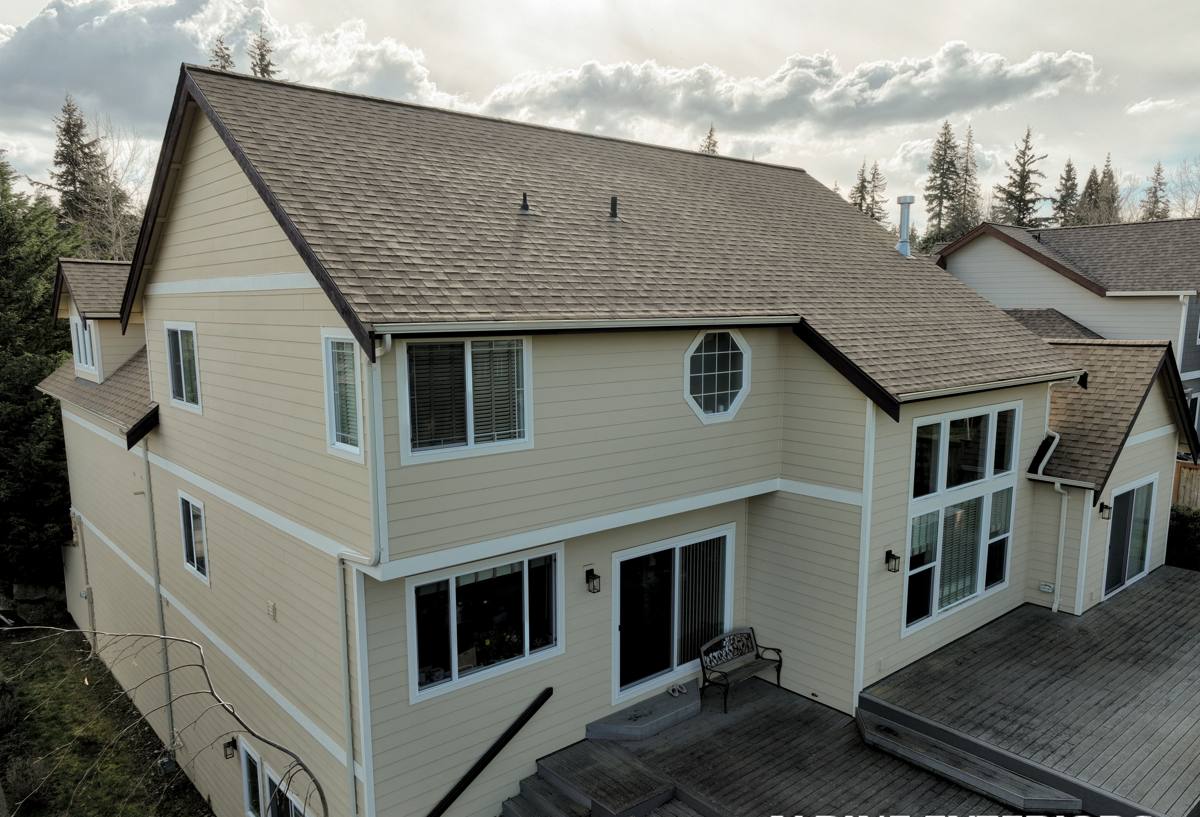
What the Braden River Climate Does to Siding
Humidity and Moisture Load
Proximity to the river means higher ambient humidity and slower drying times after rain, especially on north- and east-facing walls that get less direct sun. Siding materials that absorb moisture or trap it behind an improperly lapped weather barrier will swell, delaminate, or grow mold long before they show visible damage from the street. Correct installation has to manage water that gets behind the cladding, not just water that hits the face of it.
Hurricane-Force Wind
Manatee County sits in a wind zone where siding has to survive sustained tropical-storm and hurricane conditions, not just everyday gusts. Wind doesn't just push on a wall — it creates uplift and pressure differentials at corners, eaves, and around openings, which is exactly where under-fastened or improperly nailed siding fails first. Fastening pattern, panel overlap, and starter strip installation all matter more here than in a calmer inland climate.
UV Exposure and Salt Air
Florida sun is intense and constant, and it breaks down poorly formulated paints and coatings over a period of years, not decades. Salt-laden air moving in off the Gulf and Tampa Bay accelerates corrosion on fasteners and trim, and it degrades finishes that aren't engineered to resist it. A siding system needs a factory finish designed for this exposure, not a field-applied paint job that's fighting the sun and salt from day one.
What a Correct Siding Installation Actually Involves
Siding installation is often sold as a simple swap — old material off, new material on. In a climate like this, the details underneath the visible surface determine whether the job lasts fifteen years or fails in five.
- Weather-resistive barrier: A continuous, properly lapped house wrap or building paper installed before the first course of siding goes up, with all seams and penetrations sealed against wind-driven rain.
- Flashing at every penetration: Windows, doors, hose bibs, light fixtures, and vents all need correctly integrated flashing so water is directed out and down, never behind the siding.
- Proper clearances: Siding held off the roofline, deck surfaces, and grade by the manufacturer's specified gap so water and debris don't wick moisture into the bottom edge of the panels.
- Fastening to spec: Correct nail or screw type, spacing, and depth for the local wind zone — not just "close enough," since under- or over-driven fasteners are a leading cause of premature siding failure in coastal wind areas.
- Sealed joints and butt seams: Every horizontal and vertical joint sealed with a product rated for exterior movement and UV exposure, not general-purpose caulk that chalks and cracks within a couple of years.
- Trim and corner integration: Corner boards, window and door trim, and fascia details installed so water sheds away from seams instead of pooling at transitions.
Skip any one of these steps and the siding may look fine for a season or two — the failures show up later, as water damage, soft sheathing, or paint failure that's expensive to trace back to an installation shortcut.
Why We Install James Hardie Fiber Cement — And Nothing Else
We install James Hardie fiber cement siding exclusively. We don't offer vinyl, LP SmartSide, Cemplank, Allura, or primed wood siding, and that's a deliberate standard, not a limitation in what we're capable of installing.
Fiber cement is non-combustible, which matters on its own merits, and it doesn't expand and contract with heat and humidity the way vinyl does — a real issue in a climate that swings between intense summer sun and heavy, humid rain systems. James Hardie's HZ5 product line is engineered specifically for high-humidity, storm-prone climates like ours, and the ColorPlus factory finish is baked on and warranted against fading, which matters enormously under Florida's UV load. Site-applied paint, by comparison, is only as good as the weather conditions on the day it's sprayed and the maintenance schedule that follows.
We've watched other products underperform in this exact climate — not because they're poorly made, but because their trade-offs (moisture sensitivity, expansion and contraction, finish longevity, installation tolerance for error) line up badly against what Manatee County actually throws at a house. James Hardie is what we're willing to warranty and stand behind on Braden River homes.
Our Installation Process
1. On-Site Assessment
We walk the exterior, check the current siding and sheathing condition, and look specifically at moisture history — water stains, soft spots, or areas where prior flashing has failed. This tells us what's happening behind the wall, not just what's visible from the driveway.
2. Tear-Off and Substrate Check
Old siding comes off and we inspect the sheathing underneath. Any water-damaged or compromised sheathing gets addressed before anything new goes up — installing new siding over a bad substrate just hides the problem for a while.
3. Weather Barrier and Flashing
A continuous weather-resistive barrier goes on first, followed by correctly integrated flashing at every window, door, and penetration. This step is invisible once the job is done, and it's the step that determines whether the house stays dry.
4. James Hardie Panel Installation
Panels are installed to James Hardie's fastening specification for our wind zone, with proper clearances, joint sealing, and trim integration throughout.
5. Final Inspection
We walk the finished exterior with the homeowner, checking seams, corners, and trim details before calling the job complete.
Cost Factors for Braden River Siding Installation
Every home is different, and we don't quote pricing sight unseen — but these are the factors that typically move the cost of a siding installation up or down.
| Factor | Why It Affects Cost |
|---|---|
| Home size and wall complexity | More linear footage, corners, and roof intersections mean more material and labor |
| Substrate condition | Water-damaged sheathing found during tear-off needs repair before new siding goes on |
| Siding profile and accessories | Lap width, trim style, and shakes or panels in accent areas affect material cost |
| Existing siding removal | Multiple layers of old material or difficult removal (masonry, old wood) adds labor |
| Access and site conditions | Tree cover, tight lot lines, and waterfront setbacks near the river can affect staging and access |
| Color and finish selection | ColorPlus factory finishes vary by collection; custom field-painted finishes cost more long-term in maintenance |
Signs Your Braden River Home Needs New Siding
- Visible warping, buckling, or panels that flex when pressed
- Paint that's peeling, chalking heavily, or fading unevenly across the same wall
- Soft spots or a spongy feel near the base of walls or around windows
- Persistent mold, mildew, or dark streaking that returns shortly after cleaning
- Cracked or gapped caulk lines at seams, corners, and trim
- Rising energy bills that suggest the exterior envelope is no longer performing
Why a Local Braden River Crew Matters
A crew that already works this area knows Manatee County's permitting process, understands the wind-zone fastening requirements our inspectors check for, and has a feel for how individual streets and lot orientations near the river handle sun and rain exposure differently. That local familiarity shows up in small decisions — how a job is sequenced around afternoon storms, where extra flashing attention is warranted on a shaded, humid lot — that a crew unfamiliar with the area won't think to make.
It also matters after the install. A local crew is reachable for a warranty question or a follow-up inspection without a multi-hour drive, and we're not disappearing after the final invoice.
What to Expect From Us
- An honest, in-person assessment before any quote is written
- A written scope that specifies James Hardie product line, profile, and finish
- Clear communication about substrate repairs if we find them during tear-off
- Installation to manufacturer spec for our local wind zone — not a shortcut version
- A final walkthrough before we consider the job done
Maintaining Your New Siding
James Hardie fiber cement is low-maintenance, not no-maintenance. A periodic rinse to remove salt residue and organic buildup, prompt attention to any caulk that starts to gap, and keeping vegetation trimmed back from walls will keep the system performing for the long haul. Because the ColorPlus finish is factory-applied and warranted, you're not signing up for a repaint cycle the way you would with field-painted siding — that alone removes one of the biggest recurring maintenance costs on a Florida exterior.
If your Braden River home's siding is showing its age or you're planning ahead of the next storm season, we're happy to walk the exterior with you and give a straight, no-pressure assessment. Use the form below to request a free estimate.