 Bradenton
 Why Samoset Roofs Wear Out on Their Own Timeline
Samoset sits inside the same weather system as the rest of Bradenton and Manatee County, but roofs here don't age at a uniform rate. Tree cover, roof orientation, attic ventilation, and how close a home sits to open water all change how fast shingles or tiles break down. What doesn't change is the underlying stress every roof in this area absorbs year after year: intense UV exposure that bakes asphalt oils out of shingles, wind-driven rain that finds any gap in flashing or underlayment, salt-laden air that speeds up corrosion on fasteners and metal components, and the real possibility of hurricane-force wind loading during storm season.
A roof that looks fine from the ground can be past the point where patching makes sense. Granule loss, brittle shingles, soft decking, or repeated leaks around the same penetration are signs the roof system as a whole has reached the end of its service life, not just one shingle or one flashing detail.
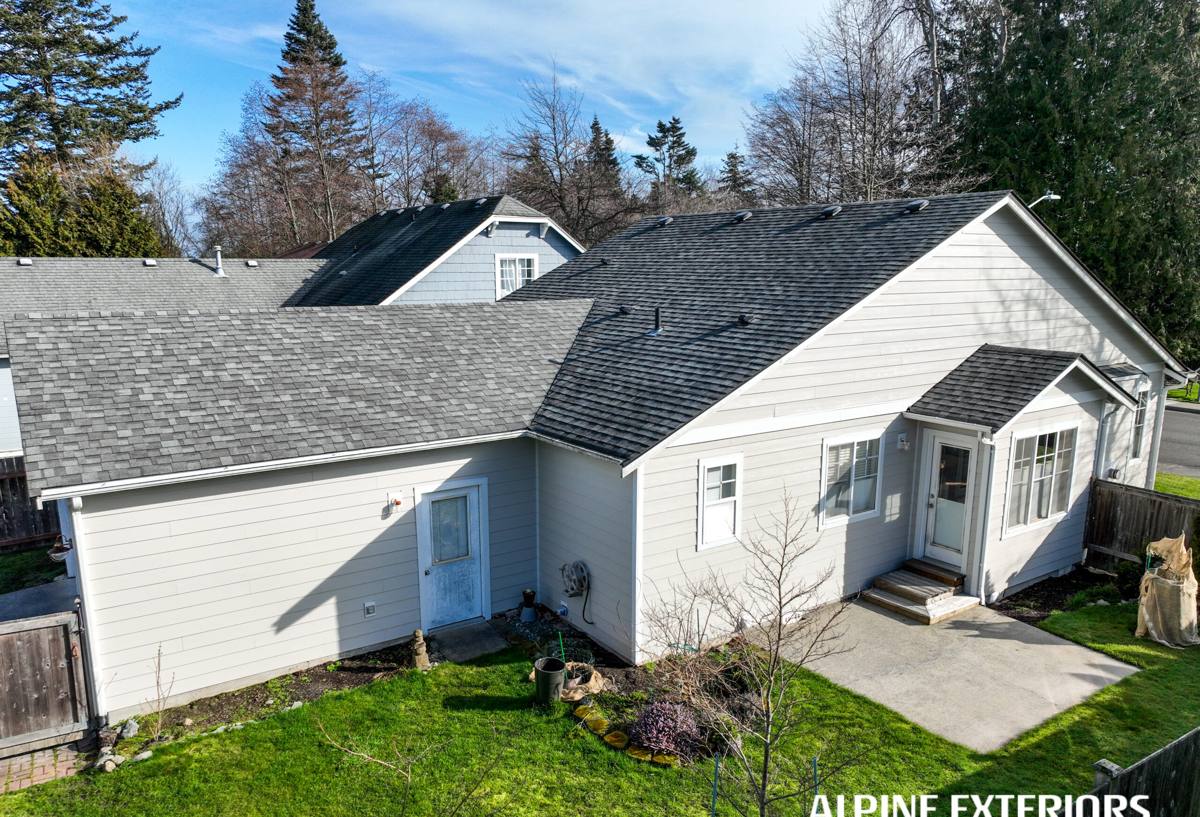
What a Correct Roof Replacement Actually Involves
A roof replacement is more than swapping old shingles for new ones. Done right, it's a full rebuild of the roof system, and skipping any layer shows up later as a leak, a shortened lifespan, or a warranty that won't hold up.
Full Tear-Off, Not an Overlay
We remove the old roofing material down to the deck rather than layering new shingles over old. Overlays trap heat, hide deck damage, and add weight without adding real protection. A tear-off is the only way to actually inspect and fix what's underneath.
Deck Inspection and Repair
Once the old material is off, the plywood or OSB decking gets checked for soft spots, delamination, or water staining. Humid coastal air and past slow leaks can weaken decking in ways that aren't visible until the surface is exposed. Any damaged sections get cut out and replaced before anything new goes down.
Underlayment Built for Wind-Driven Rain
Standard felt underlayment isn't enough for a coastal Florida roof exposed to sideways rain during storms. We use synthetic or self-adhering underlayment products rated for high-wind, high-moisture conditions, with extra attention to valleys, eaves, and any low-slope transitions where water tends to back up.
Flashing at Every Penetration
Chimneys, vents, skylights, and wall-to-roof transitions are where most leaks actually start, not in the open field of shingles. New step flashing, counter-flashing, and pipe boots are installed at every penetration rather than reused from the old roof.
Ventilation That Matches the Attic
Proper intake and exhaust ventilation keeps attic temperatures and moisture in check, which protects both the new roofing material and the decking underneath it. On many older Manatee County homes, ventilation was undersized for the current roof or attic setup, and we correct that as part of the replacement rather than leaving it as-is.
Matching the Material to the Home
There's no single "best" roofing material for Samoset — the right choice depends on the home's structure, roof slope, budget, and how long the owner plans to stay in the house. Here's how the common options compare for this climate.
| Material | Typical Lifespan Here | Wind Performance | Key Trade-Off |
|---|---|---|---|
| Architectural asphalt shingles | 20–30 years | Good, when rated and installed for high-wind zones | Best value; UV and heat gradually shorten lifespan |
| 3-tab asphalt shingles | 15–20 years | Lower wind rating than architectural | Lowest upfront cost, shortest service life in this climate |
| Concrete or clay tile | 40–50+ years | Very strong when properly fastened | Higher upfront cost; requires structure rated for the added weight |
| Standing seam metal | 40–50+ years | Excellent, especially with concealed fasteners | Higher upfront cost; installation sensitivity means workmanship matters more |
We install based on what the home and budget call for, not on pushing one product line. Metal and tile cost more upfront but ask less of the homeowner over time in a salt-air, high-UV environment; asphalt remains a solid, budget-conscious choice when it's the right-grade product installed correctly.
A Note on Product Selection
We're selective about which underlayment, flashing, and fastener types we use, and we'll walk you through why. In coastal Florida, the difference between a roof that holds up through a decade of storms and one that doesn't often comes down to fastener corrosion resistance and how carefully flashing details were executed — not just the brand name on the shingle wrapper.
Our Process, Start to Finish
Homeowners generally want to know two things: what's going to happen, and when. Here's the sequence we follow on a Samoset roof replacement.
- On-site inspection and estimate. We walk the roof, check the attic, and give you a written scope and price — no pressure, no vague allowances.
- Material selection. We go over the options that fit your roof type, budget, and how long you plan to stay in the home.
- Permitting. We pull the required Manatee County building permit and handle inspections tied to it.
- Tear-off and deck inspection. Old roofing comes off, decking gets checked, and any repairs are made and documented.
- Underlayment, flashing, and ventilation. The parts of the job that don't show once it's done, but determine how the roof performs.
- New roofing installation. Installed to the manufacturer's specification for the wind zone, not a generic install.
- Cleanup and magnetic sweep. Full site cleanup, including a nail sweep of the yard and driveway.
- Final walkthrough and inspection sign-off. We review the finished roof with you and close out the permit.
Permits, Wind Ratings, and Local Code
Manatee County requires a permit for roof replacement, and the work is inspected against the Florida Building Code, which sets minimum wind-uplift and fastening standards for this region. These aren't paperwork formalities — they reflect real lessons learned from past hurricane seasons about what fails and what holds. A licensed contractor pulls the permit, schedules the required inspections, and builds the roof to the code that actually applies to a home in coastal Manatee County, not a generic national standard.
Skipping permits or hiring an unlicensed crew might save money upfront, but it can create real problems at resale, with insurance claims, and with code enforcement down the line.
Signs a Samoset Roof Needs Replacement, Not Another Repair
Not every roof problem calls for full replacement — but these signs usually mean patching is just delaying the inevitable:
- Shingles that are curling, cupping, or missing granules across large sections of the roof
- Soft or spongy spots when walking the roof, or sagging visible from the ground
- Daylight visible through the roof deck from inside the attic
- Leaks that keep returning in different spots after repairs
- A roof that's 20+ years old and has never been replaced, only patched
- Visible rust streaking or corrosion around fasteners and flashing
- Higher-than-expected cooling bills, which can point to failing ventilation or insulation tied to the roof
Why It Matters That We Already Work in Samoset
A crew that regularly works Samoset and the surrounding Bradenton area already knows the local permitting process, the inspectors, and the wind-zone requirements that apply here — that familiarity keeps a project moving instead of stalling on paperwork. It also means we're not guessing about how this specific coastal environment treats a roof; we've seen how different materials and installation details hold up over years of Gulf Coast heat, humidity, and storm exposure, not just how they look on a spec sheet.
Being local also means we're reachable after the job is done. If a question comes up during the next storm season, you're calling a crew that's still working in your neighborhood, not a name from an out-of-town roofing blitz.
What to Expect During the Project
Most residential roof replacements in this area take one to a few days on-site, depending on roof size, material, and weather. Expect noise during tear-off, a dumpster or trailer staged on the property for debris, and crew activity from morning through afternoon. We coordinate around Florida's afternoon storm patterns and won't leave a roof exposed to weather overnight without proper dry-in protection. Landscaping, driveways, and gutters are protected during the work, and the site gets swept for nails and debris before we consider the job finished.
If your Samoset roof is showing its age or you just want an honest read on how much life it has left, we're happy to take a look. Request a free, no-pressure estimate using the form below and we'll walk the roof with you and lay out the real options.