 Bradenton
 Roof Replacement Built for the Braden River Area
Homes along the Braden River deal with a specific mix of weather stress that inland Florida neighborhoods don't see as intensely: humid river-corridor air, dense tree canopy that drops debris and holds moisture on the roof deck, and the same hurricane-season wind exposure that affects the rest of Manatee County. A roof replacement here isn't just about swapping old shingles for new ones. It's about matching the system to how this particular pocket of Bradenton actually behaves through a Florida summer and a Florida storm season.
We work on homes throughout this area regularly, which means we already know the common roof ages, the typical deck conditions under older shingles, and the permitting expectations in Manatee County. That familiarity shortens the guesswork and shortens your project.
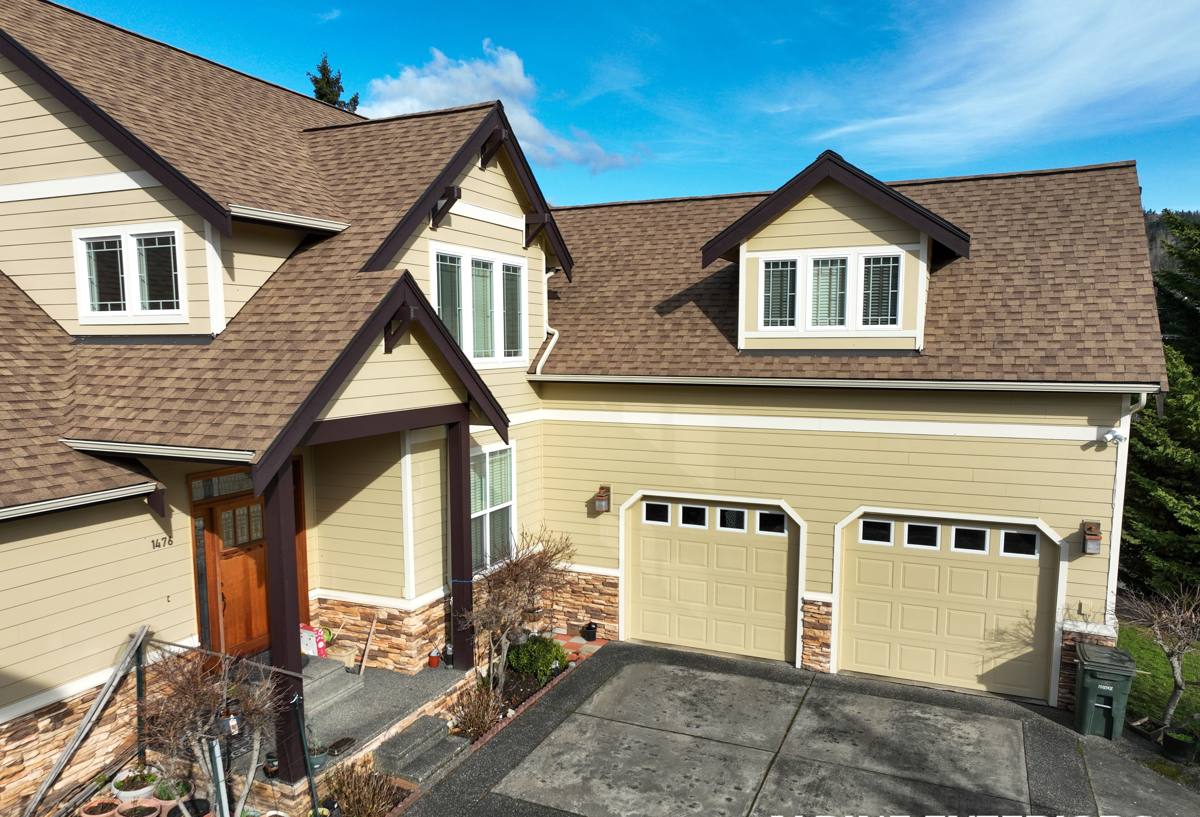
What Braden River's Climate Does to a Roof
Every roofing material has a service life on paper. In practice, that number gets shortened by a combination of factors that hit Braden River roofs harder than they'd hit a roof in a milder climate:
- Intense, near year-round UV exposure — breaks down asphalt shingle granules and dries out the oils that keep shingles flexible, leading to cracking and premature aging.
- Hurricane-force wind events — test every fastener, every seam, and every piece of edge flashing on the roof. Marginal installations fail first, and they usually fail at the worst possible time.
- Wind-driven rain — pushes water sideways and upward under shingle edges and around penetrations, which is why underlayment quality and flashing detail matter as much as the shingles themselves.
- Salt-laden air — even set back from the coast, Bradenton's proximity to the Gulf means metal fasteners, flashing, and vents are exposed to corrosive salt content in the air over time.
- Tree cover and humidity near the river — shaded roof sections stay damp longer after rain, which can accelerate algae growth and, over years, affect deck moisture if ventilation isn't right.
None of these factors are unique to Braden River, but the combination — river-adjacent humidity plus full hurricane exposure plus intense sun — is exactly what a correctly built roof replacement needs to be designed around.
Signs a Replacement (Not a Repair) Is the Right Call
Not every roof problem means a full replacement, and we won't tell you it does. But there are clear signals that patching is no longer the economical or safe choice:
- Shingles that are curling, cupping, or losing granules across large sections of the roof, not just one spot
- Multiple past repairs in different areas, suggesting the underlying material is failing broadly
- Visible sagging in the roofline, which can point to deck or structural issues underneath
- Persistent leaks that return after repair, especially around valleys or penetrations
- A roof at or past the manufacturer's expected lifespan for its material, especially if it's never had major work done
- Storm damage significant enough that insurance or code requirements point toward full replacement anyway
If your roof only shows isolated damage, we'll say so and recommend a repair instead. A replacement is a significant investment, and we'd rather earn that job with an honest assessment than push one you don't need yet.
What a Correct Roof Replacement Actually Involves
Tear-Off and Deck Inspection
We remove the existing roofing material down to the deck rather than layering over it. This is the only way to actually see what's underneath — soft spots, water-stained sheathing, or rot that's been hidden under the old shingles. Any damaged decking gets replaced before anything new goes down. Skipping this step is one of the most common shortcuts in the industry, and it's one we don't take, because a new roof over a compromised deck is a roof that fails early no matter how good the shingles are.
Underlayment
The underlayment is your roof's actual water barrier — the shingles are the first line of defense, but the underlayment is what keeps you dry if wind-driven rain gets past them. Given how much wind-driven rain this area sees during storm season, we treat underlayment selection and installation as a core part of the job, not an afterthought.
Flashing and Penetrations
Chimneys, vents, skylights, and roof-wall intersections are where most leaks actually start, not in the open field of shingles. Correct flashing detail at every penetration is non-negotiable, especially with salt air accelerating corrosion on lower-quality metal over time.
Ventilation
Proper attic ventilation does two jobs: it helps regulate attic temperature under intense Florida sun, and it keeps moisture from getting trapped under the deck — which matters more in shaded, humid pockets near the river. We evaluate existing ventilation as part of every replacement rather than assuming the old setup was adequate.
Wind-Rated Installation
Fastening patterns, nail placement, and shingle sealing all affect how a roof performs in high wind. We install to the wind-rating standards the product and Florida code require, because in a hurricane-exposed area, that's the difference between a roof that stays put and one that doesn't.
Material Options for This Area
| Material | Typical Lifespan | Wind Performance | Considerations for Braden River |
|---|---|---|---|
| Architectural asphalt shingles | 20-30 years | Good, with proper wind-rated installation | Cost-effective, wide color range, solid choice for most homes in the area |
| Metal roofing (standing seam) | 40-50+ years | Excellent | Higher upfront cost, strong long-term value, handles wind-driven rain well |
| Tile (concrete or clay) | 40-50+ years | Very good when properly fastened | Heavier, requires structural check, common look in this region |
We'll walk you through which option fits your home's structure, your budget, and how long you plan to stay in the house — there's no single "best" material, only the one that matches your situation.
Why It Matters That We Already Work This Neighborhood
A roofing crew that's unfamiliar with Braden River is starting from zero on every job — guessing at typical deck conditions, unfamiliar with Manatee County's permitting and inspection process, and without a feel for how this specific area's tree cover and sun exposure affect roof performance. We're not starting from zero. We know what to expect when we pull off old shingles on a river-area home, and that shows up in fewer surprises and fewer change orders once your project is underway.
Local presence also matters after the job is done. Manufacturer warranties and workmanship warranties are only as good as the contractor standing behind them. A crew that's based in the area and plans to keep working here has every reason to get the job right the first time.
Our Process, Start to Finish
- Inspection and estimate — we assess your current roof, take measurements, and give you a clear, honest estimate with no pressure to sign on the spot.
- Material selection — we go over your options based on your home, budget, and priorities, without steering you toward whatever's easiest for us to install.
- Permitting — we handle the Manatee County permitting process so you don't have to navigate it yourself.
- Tear-off and deck check — full removal of the old roof and inspection of the deck underneath, with any needed repairs addressed before new material goes on.
- Installation — underlayment, flashing, ventilation, and the roofing material itself, installed to wind-rated standards.
- Final walkthrough — we go over the finished roof with you and make sure your questions are answered before we consider the job done.
Questions Worth Asking Before You Sign a Contract
Whoever you hire for a roof replacement, these are worth confirming up front:
- Are they licensed and insured to work in Florida, and can they provide proof?
- Do they pull permits themselves, or leave that to you?
- What underlayment and flashing materials do they use as standard, not as an upgrade?
- What's included in their workmanship warranty, separate from the manufacturer's material warranty?
- Will they inspect and replace damaged decking as part of the base price, or is that a surprise add-on later?
A contractor who answers these clearly and without hesitation is one who does this work correctly as a matter of routine, not as an exception.
Get a Straight Answer About Your Roof
If your Braden River home's roof is showing its age, storm damage, or just isn't performing the way it used to, we're glad to take a look and give you an honest read on where things stand. Reach out for a free, no-pressure estimate using the form below — we'll walk your roof, answer your questions, and give you a clear picture of your options before you decide anything.