 Bradenton
 Roofing in Parrish Has Its Own Set of Problems
Parrish sits in a part of Manatee County that's grown fast, but the roofs going up here still have to survive the same weather that's always defined this stretch of Florida. That means hurricane-force winds during the active months, intense UV exposure nearly every day of the year, wind-driven rain that finds its way through the smallest gaps, and salt-laden air drifting in off the Gulf and Tampa Bay. None of these factors work alone — they compound each other. UV bakes shingles brittle, then a windstorm finishes the job by lifting the tabs that heat already weakened. Salt air accelerates corrosion on fasteners and flashing, which is exactly where wind-driven rain looks for an entry point once metal starts to give.
A roof repair here isn't just patching a hole. It's addressing a system that's been under constant low-grade attack from sun, salt, and storms, and making sure the fix holds up to the next round of the same.
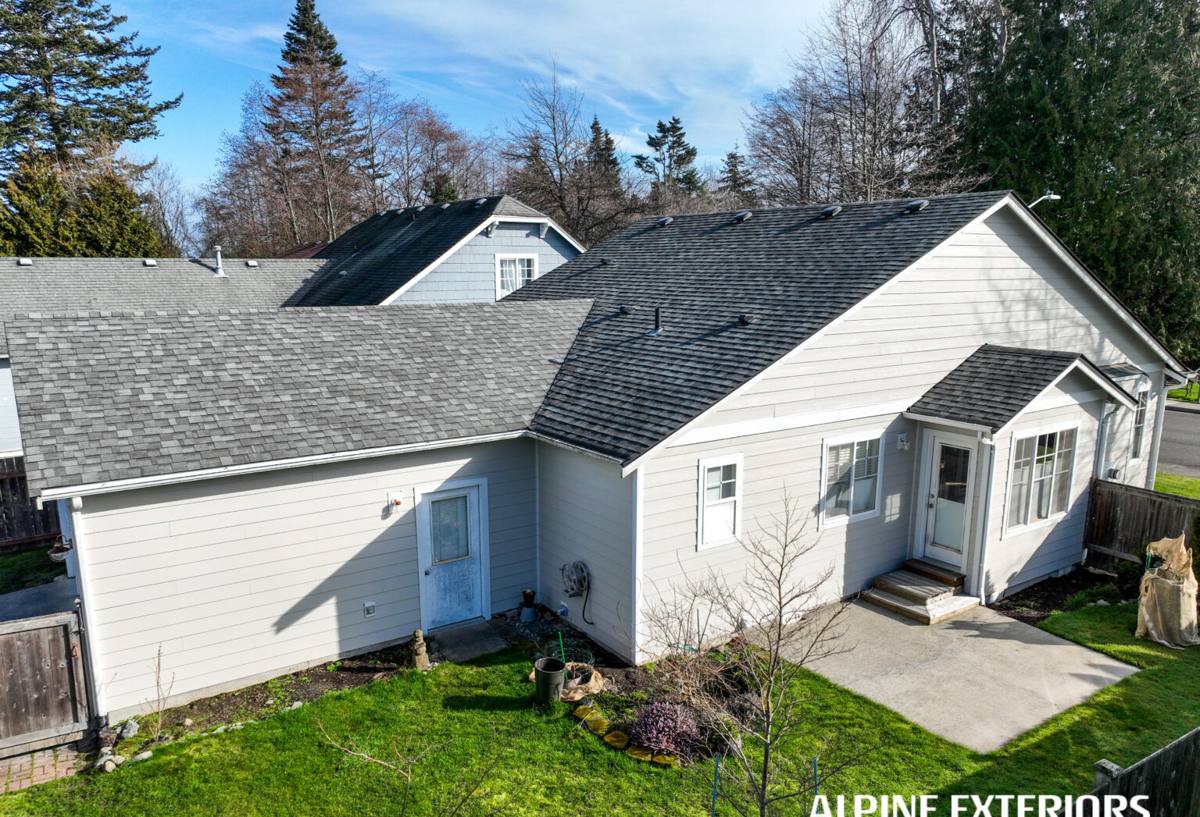
What a Correct Roof Repair Actually Involves
A lot of "repairs" in this climate are really just cosmetic patches — a dab of sealant over a stain, a few shingles swapped without checking what's underneath. That approach might buy a homeowner a season, but it rarely solves the underlying problem, and on a Parrish roof, the underlying problem is almost always moisture that's already gotten past the surface layer.
A real repair starts with finding the actual source
Water doesn't always show up where it enters. It can travel along the underlayment or roof deck and drip out several feet from the actual breach. That means a proper repair starts with tracing the leak back to its origin, not just treating the spot where the ceiling stain appeared.
Then it addresses what let the water in
Common culprits we find on repair calls include lifted or cracked shingles from wind and UV fatigue, deteriorated flashing around chimneys, vents, and skylights, nail pops that have backed out from years of thermal expansion and contraction, and worn pipe boots that have hardened and split in the sun. Each of these needs a different fix, and using the wrong one — sealant on a flashing problem, for example — just delays the next leak.
And it checks the roof deck, not just the surface
If water has been getting in for a while, the plywood deck underneath may already be soft or delaminating. A repair that skips this check and just re-covers a compromised deck is a repair that fails again within a year or two.
Common Issues We See on Parrish Roofs
- Shingle tab lift and cracking — UV exposure dries out the asphalt and adhesive strips over time, and the next strong gust catches the loosened edge.
- Flashing separation — around chimneys, skylights, and roof-to-wall transitions, where thermal movement and corrosion from salt air work the metal loose from the roofing surface.
- Failed pipe boots and vent seals — rubber components age faster under constant Florida sun and are one of the most common single sources of a slow, hard-to-locate leak.
- Wind-driven rain intrusion — during tropical storms and squall lines, rain can be pushed sideways under shingle edges or through gaps that would never leak in a normal downpour.
- Corroded fasteners — nails and screws exposed to salt air lose holding strength faster than inland installations, leading to loosened shingles or metal panels over time.
How We Approach a Repair Call
- Inspection first. We walk the roof (or use a safe vantage point when the pitch or condition doesn't allow foot traffic) and check the attic or ceiling from inside where accessible, since interior signs often point straight to the source.
- Identify the real cause. We trace stains and soft spots back along the deck and framing rather than assuming the leak is directly above the damage.
- Check the surrounding area, not just the failure point. If UV and wind have degraded one section of shingles, nearby areas of the same age and exposure are usually not far behind, and we'll flag that honestly.
- Give a straight assessment. We explain what's failing, why, and whether a targeted repair is the right call or whether the roof is past the point where patching makes financial sense.
- Do the repair to match the existing roof. Materials, color, and fastening pattern are matched as closely as possible so the fix blends in and performs the same as the surrounding roofing.
- Verify the fix. We recheck the repaired area and, where relevant, the attic space to confirm the leak path is actually closed, not just the visible symptom.
Repair or Replace? Weighing the Factors
Not every roof problem needs a full replacement, but not every roof is a good candidate for another round of patches either. The table below outlines the factors that typically tip the decision one way or the other.
| Factor | Leans Toward Repair | Leans Toward Replacement |
|---|---|---|
| Age of roof | Well within expected service life | At or past the material's typical lifespan |
| Extent of damage | Isolated to one area or component | Spread across multiple sections |
| Roof deck condition | Solid, dry, no soft spots | Soft, delaminated, or previously repaired decking |
| Repair history | First or infrequent repair | Repeated repairs to the same or nearby areas |
| Storm exposure | Recent minor wind or hail event | Documented significant wind or impact damage |
When a roof is a genuine borderline case, we'll say so directly rather than pushing toward the more expensive option. Plenty of Parrish roofs are perfectly good candidates for a solid repair that adds several more years of service.
Matching Materials and Methods to This Climate
Whatever roofing material a home has — asphalt shingle, tile, or metal — the repair needs to account for how that material behaves under Manatee County conditions specifically.
Asphalt shingle
Shingles need matching not just in color but in profile and age-appropriate flexibility, since older shingles can be brittle and prone to cracking if handled roughly during a repair.
Tile
Tile roofs often fail at the underlayment beneath the tile, not the tile itself. A correct repair may mean carefully lifting and resetting tiles to get at the membrane underneath, rather than just sealing around a cracked piece.
Metal
Metal roofing holds up well against wind, but fastener corrosion and sealant breakdown at seams and penetrations are the areas that need the closest attention in a salt-air environment.
Why a Crew That Already Works Parrish Matters
Roofing crews who work this specific area regularly have a working knowledge of which manufacturers and material types tend to hold up and which show recurring weak points in this climate — knowledge that only comes from repeat exposure to the same conditions, not from a general contracting background. That local pattern recognition often means a faster, more accurate diagnosis on the first visit, instead of a guess that gets corrected on a return trip. It also means understanding realistic timelines around Florida's storm season, since scheduling and material availability can shift when a named storm is approaching or has just come through.
A crew that treats Parrish as one stop on a much wider service area doesn't always have that same frame of reference, and it shows up in small ways — recommending materials or methods that work fine in a drier, calmer climate but underperform here.
Between-Service Checklist for Homeowners
A few simple habits can catch small problems before they turn into a leak call.
- After any significant storm, do a visual check from the ground for missing, lifted, or displaced shingles or tiles.
- Check ceilings and attic spaces periodically for new stains, especially after heavy wind-driven rain.
- Keep gutters and downspouts clear so water isn't backing up under the roof edge.
- Trim back overhanging branches that can abrade roofing material in high wind.
- Note the age of your roof and its last inspection date, since that history matters when deciding between repair and replacement.
- Have flashing around chimneys, skylights, and vents checked every year or two, since these are the most common failure points regardless of roofing material.
Getting a Straight Answer on Your Roof
A roof repair in Parrish has to hold up against the same wind, sun, and salt air that wore down whatever failed in the first place. That takes an honest diagnosis, the right fix for the actual problem, and materials and methods suited to this specific climate — not a generic patch job. If you're dealing with a leak, storm damage, or just want an honest read on where your roof stands, we're glad to come take a look. The estimate is free, there's no pressure to move forward, and you'll get a straight answer either way.