 Bradenton
 Why Roofs Wear Out Faster in Parrish and the Bradenton Area
Parrish sits in Manatee County, close enough to the Gulf and Tampa Bay that homes here deal with a specific combination of stresses most inland parts of the country never see. Roofs are asked to handle intense, near-constant UV exposure for most of the year, sudden wind-driven downpours during the wet season, tropical systems that bring sustained straight-line wind and gusts capable of lifting or tearing loose shingles and flashing, and salt-laden air that speeds up corrosion on metal fasteners, flashing, and vents even a good distance from the water.
No single one of these is unusual on its own. It's the combination, repeated year after year, that shortens the practical lifespan of a roof below what the shingle or tile manufacturer's warranty label suggests. A roofing system installed without Florida's climate specifically in mind — underlayment, fastening pattern, flashing details, ventilation — tends to show problems years earlier than one installed correctly for this region.
Signs Your Parrish Home Needs a Full Roof Replacement, Not Just a Repair
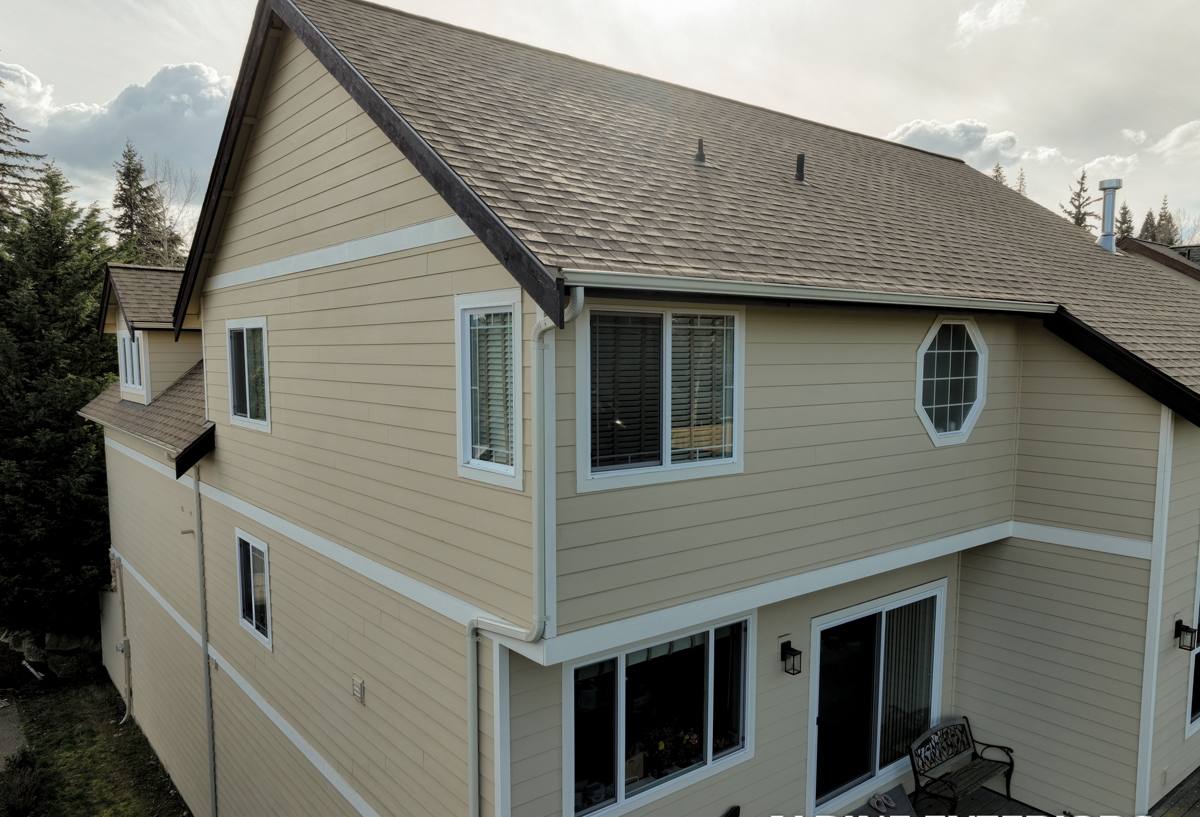
Not every roof problem calls for a full tear-off. But there's a point where patching individual leaks or replacing a few shingles at a time stops making financial sense, because the underlying materials — decking, underlayment, flashing — have aged past the point of holding up under the next storm season. Signs it's time to talk about replacement rather than repair include:
- Shingles that are cupping, curling, or losing granules across large sections of the roof, not just one isolated spot
- Multiple past repairs in different areas, suggesting the roof as a whole is past its service life
- Soft spots, sagging, or visible movement in the roof deck when walked or inspected from the attic
- Daylight visible through the roof boards from inside the attic
- Recurring leaks after heavy wind-driven rain, even after previous repairs
- Roof age approaching or past 18-20 years for asphalt shingle, or showing wear consistent with age for other materials
- Insurance company flagging the roof during a 4-point inspection or declining renewal because of its age or condition
A straightforward inspection can usually tell you which category a roof falls into. If a roof is mostly sound with isolated damage, repair is the honest recommendation. If the deck, underlayment, or flashing system is failing broadly, replacement is what actually solves the problem instead of deferring it.
Choosing the Right Roofing Material for a Manatee County Home
There's no single "best" roofing material for Parrish — the right choice depends on the home's structure, the budget, and how long the owner plans to stay in the house. What matters is understanding the real trade-offs instead of picking based on appearance alone.
| Material | Typical Lifespan | Wind Performance | Maintenance |
|---|---|---|---|
| Architectural (laminate) asphalt shingle | 18-25 years | Good when rated and installed for high-wind zones | Low; periodic inspection after storms |
| Standing seam metal | 40-50+ years | Excellent; fewer individual pieces for wind to catch | Low; watch fastener and sealant condition over time |
| Concrete or clay tile | 40-50+ years | Very good when properly fastened, but individual tiles can crack or dislodge in extreme wind | Moderate; occasional tile replacement, underlayment is the real wear item |
| 3-tab asphalt shingle | 12-18 years | Weaker than architectural shingle in sustained high wind | Low, but shorter service life overall |
We steer most Parrish homeowners away from 3-tab shingles for full replacements, not because the product is defective, but because architectural shingles cost only modestly more, carry stronger wind ratings, and hold up noticeably better against the gust patterns common here. Metal is the strongest long-term performer against wind and UV combined, but it's a bigger upfront investment and not the right fit for every roof structure or budget. Tile looks great and lasts a long time, but the underlayment beneath it — not the tile itself — is usually what determines whether the roof actually stays watertight through its rated life, so installation quality matters more with tile than with almost any other material.
What We Won't Recommend, and Why
We generally avoid installing older, thinner 3-tab shingle as a primary product on full replacements in this area unless a homeowner has a specific reason to want it, such as matching an existing structure or working within a tight budget on a secondary structure. It's not that the product fails outright — it's that for the added cost of upgrading to architectural shingle, the wind performance and expected service life improve enough that it's the more honest recommendation for a roof that has to survive Gulf Coast weather for two decades.
Florida Building Code, Permits, and Wind Requirements
Manatee County falls under the Florida Building Code's wind-borne debris and high-wind provisions, which means roofing materials, fastening schedules, and underlayment all have to meet minimum wind-resistance standards for this region — not generic national standards. A permit is required for a full roof replacement, and the completed work has to pass inspection before it's considered done. This isn't paperwork for its own sake: the permit and inspection process is what confirms the deck was properly prepared, the underlayment meets code, and the fastening pattern matches the wind rating the roof is supposed to carry.
Skipping or shortcutting this process is a real risk for homeowners, not just a technicality. An unpermitted roof can complicate a home sale, cause problems with insurance claims after storm damage, and in some cases void manufacturer warranties. Any legitimate roofing contractor working in Parrish should be pulling permits as a standard part of the job, not as an upcharge or an optional extra.
How Our Roof Replacement Process Works
- Inspection and assessment. We evaluate the existing roof, deck condition, flashing, and ventilation, and give a straight answer on whether replacement is actually needed.
- Material selection. We walk through the realistic options for the home's structure and budget, including honest trade-offs, not just a single recommendation.
- Permitting. We handle the Manatee County permit application before work begins.
- Tear-off and deck inspection. Old roofing is removed down to the deck, and any damaged or rotted decking is identified and replaced before anything new goes on top.
- Underlayment and flashing. A code-compliant underlayment system goes down first, with new flashing at valleys, walls, chimneys, and penetrations — the details that determine whether wind-driven rain actually stays out.
- Installation. Roofing material is installed to the fastening schedule required for the wind rating, not a generic pattern.
- Final inspection. The completed roof is inspected and signed off by the county before the job is considered closed out.
- Cleanup and walkthrough. The property is cleared of debris and nails, and we walk the homeowner through the finished work.
Insurance, 4-Point Inspections, and Wind Mitigation
Florida's insurance market has made roof condition a bigger factor in coverage than it used to be. Many carriers now require a 4-point inspection before renewing or issuing a policy, and roof age or visible wear can lead to non-renewal or higher premiums even when the roof isn't actively leaking. A new roof, properly permitted and documented, can also qualify a home for a wind mitigation credit, which can meaningfully lower windstorm insurance costs depending on the materials and construction methods used.
We provide the documentation homeowners need for both — permit records, completion certificates, and material specifications — so the insurance side of a roof replacement isn't left as an afterthought. This paperwork matters as much as the physical work when it comes to protecting the investment.
What Drives the Cost of a Roof Replacement in Parrish
Every roof is different, so exact pricing depends on a site visit, but the main factors that move cost up or down are consistent across most jobs:
| Cost Factor | Why It Matters |
|---|---|
| Roof size and pitch | More square footage and steeper pitches take more material and labor time |
| Material choice | Architectural shingle, metal, and tile carry different material and installation costs |
| Deck condition | Rotted or damaged decking found during tear-off adds repair cost before new roofing goes on |
| Roof complexity | Valleys, dormers, chimneys, and skylights all add flashing detail and labor |
| Ventilation upgrades | Bringing attic ventilation up to current standards can add cost but improves roof lifespan |
| Permit and code requirements | Wind-rated fastening and underlayment systems cost more than minimum-code alternatives but perform better |
We'd rather walk a homeowner through these factors honestly during an on-site estimate than throw out a number that doesn't reflect their actual roof.
Why Hiring a Crew That Already Works in Parrish Matters
Roofing crews unfamiliar with Manatee County sometimes install to a generic national standard instead of the wind and moisture conditions this area actually produces. A crew that regularly works in Parrish and the surrounding Bradenton area already knows the local permitting process, understands how the mix of newer subdivisions and older, established homes in this area affects deck condition and structural quirks, and has seen firsthand what happens to roofs that were installed without this climate in mind. That familiarity shows up in the small decisions — flashing details, fastener spacing, underlayment choice — that don't show up on a spec sheet but determine whether a roof actually performs when the next storm comes through.
Caring for Your New Roof After Installation
A properly installed roof still benefits from basic upkeep. Simple maintenance extends the service life of the investment and helps catch small issues before they become expensive ones:
- Have the roof visually inspected after any major storm, especially following high wind events
- Keep gutters and downspouts clear so water isn't backing up under the roof edge
- Trim back overhanging tree limbs that can scrape shingles or drop debris
- Check attic ventilation periodically — poor airflow shortens shingle life from the underside
- Address any small leak or missing shingle promptly rather than waiting
- Keep a copy of permit and warranty documentation on file for insurance purposes
If you're weighing repair versus replacement, or just want an honest read on where your roof stands, we're glad to take a look. Fill out the form below for a free, no-pressure estimate on your Parrish home.