 Bradenton
 Fiber Cement Siding Built for Parrish's Growth and Climate
Parrish sits in the northeast corner of Manatee County, along the Manatee River, and it's become one of the more actively growing residential areas in the Bradenton region — new subdivisions filling in steadily alongside older rural homesteads that have been there for decades. Whatever the age of the house, the exterior siding is up against the same set of conditions: hurricane-force wind gusts during storm season, some of the most intense UV exposure in the continental U.S. for most of the year, wind-driven rain that gets forced sideways into walls and seams during summer storms, and salt-laden air that moves inland off Tampa Bay and the Gulf across all of Manatee County. Vinyl, wood, and engineered wood siding all respond to that combination differently, and not always well.
This page is about one thing specifically: fiber cement siding, installed correctly, on a Parrish home. What the local climate actually asks of a siding material, what a correct installation looks like from the framing out, and why we install James Hardie fiber cement exclusively rather than any of the other products on the market.
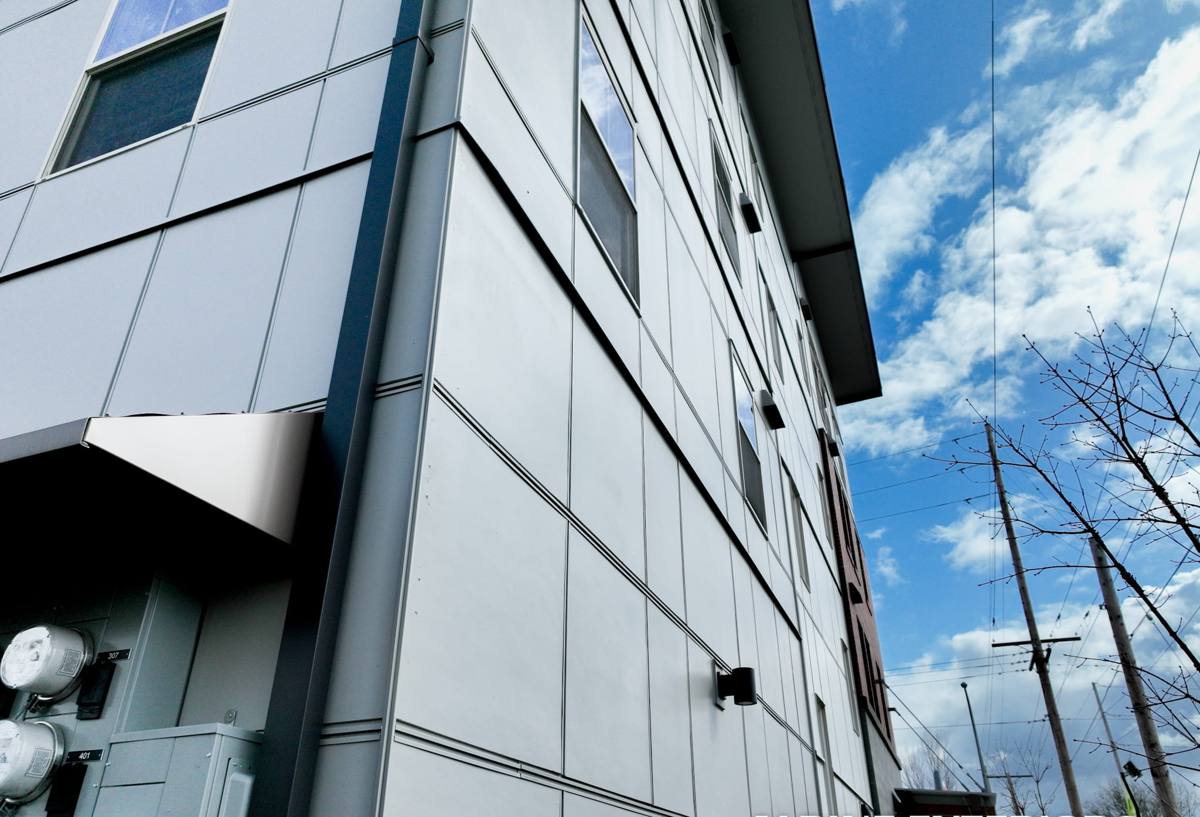
What Manatee County Weather Does to a Home's Exterior
Hurricane-Force Wind
Manatee County sits squarely in a hurricane-prone stretch of Florida's Gulf Coast, and even in years without a direct hit, tropical systems and seasonal storms routinely bring sustained wind and gusts strong enough to test how well siding is actually fastened to a home. Siding that isn't rated and installed for those wind loads doesn't fail gracefully — panels crack, lift, or come off outright, sometimes taking sections of the wall assembly underneath with them.
Intense, Nearly Year-Round UV
Florida gets some of the most intense sun exposure in the country, and it doesn't let up for months at a time the way it might further north. Unstabilized coatings, unprotected wood fiber, and lower-grade plastics all break down under that kind of sustained UV — fading, chalking, or turning brittle years before a homeowner expects to think about siding again.
Wind-Driven Rain
Storms here don't just drop rain straight down — wind pushes it sideways into every lap, seam, and fastener penetration on a wall. A siding system depends on correct overlap, gapping, and flashing to keep that water moving off the wall rather than behind it. Get those details wrong and the damage happens out of sight, in the sheathing and framing, long before it shows on the surface.
Humidity and Salt Air
Manatee County's humidity stays high for most of the year, and salt-laden air drifts in off Tampa Bay and the Gulf across the wider region, not just the immediate waterfront. That combination accelerates corrosion in exposed fasteners and hardware, and it keeps moisture-sensitive materials damp longer between rain events than they'd stay in a drier climate. Parrish, sitting along the tidal reach of the Manatee River, sees its share of that same humidity load even without being directly on the coast.
Why We Install Fiber Cement — Not Vinyl, Wood, or Engineered Wood
Siding material choice matters more here than it does in milder climates, because the failure modes show up faster. Vinyl siding can warp, buckle, or become brittle under sustained heat and UV, and its wind resistance depends heavily on fastening pattern and panel gauge — thinner, budget-grade vinyl often isn't rated for the gusts a Gulf Coast storm season can produce. Solid wood siding needs a repainting and caulking cycle to survive the humidity and UV load, and once that maintenance lapses, moisture gets in fast. Engineered wood products manage some of those weaknesses better than solid wood, but they still depend on careful edge-sealing and moisture management to perform, and installation mistakes are far less forgiving than most homeowners realize.
Fiber cement — specifically James Hardie fiber cement — is non-combustible, dimensionally stable, and engineered to hold a factory finish without the swelling, cupping, or repainting cycle that wood-based products need. That's the standard we install to on every siding job, in Parrish and everywhere else we work, and it's why we don't offer vinyl, solid wood, or engineered wood siding as an alternative.
What James Hardie Fiber Cement Siding Involves
HZ5 Engineering for Our Region
James Hardie manufactures siding in climate-specific formulations rather than one universal product. Homes in our part of Florida receive the HZ5 line, engineered for high-humidity, high-moisture-exposure climates — a different formulation than what's sold in drier parts of the country, built specifically to hold up where rain, humidity, and heat are a near-constant load rather than a seasonal one.
ColorPlus Factory Finish
Rather than being painted on site, ColorPlus finishes are baked onto the board in a controlled factory process through multiple coats. That finish resists fading and chipping far better than field-applied paint holds up under Florida's UV load, and it means a Parrish homeowner isn't staring down a repaint in five to seven years the way they might with site-painted wood siding.
Product Lines
HardiePlank lap siding is the most common choice for full-elevation siding and comes in a range of textures and exposures. HardiePanel and HardieTrim get used for vertical board-and-batten applications, gable accents, and trim work. All of it is designed to be used together on the same home, so mixing profiles for architectural interest doesn't create mismatched transitions between products.
What a Correct Installation Looks Like on a Parrish Home
Fiber cement performs the way it's engineered to only when it's installed to the manufacturer's specifications, not just to code minimum. A correct install includes:
- A weather-resistant barrier installed and properly lapped behind the siding, not just house wrap stapled up and left alone
- Correct plank or panel overlap and fastener spacing per James Hardie's published specifications for our wind zone
- Corrosion-resistant fasteners throughout, sized and spaced for hurricane-force wind loads, not standard-grade hardware
- Proper flashing at every window, door, roofline, and wall penetration
- Correct clearance between the bottom of the siding and grade, roofing, or decking, so it isn't sitting in standing water
- Butt joints and terminations sealed or flashed per manufacturer spec, not just caulked over as a catch-all fix
- Field-cut edges properly sealed before installation, since exposed raw edges are more vulnerable to moisture intrusion
- A final inspection against Hardie's fastening and clearance requirements before the job is called complete
Skipping any one of these usually doesn't cause a visible problem on day one. It shows up years later, as a soft spot at the base of a wall, a plank that's started to bow, or fastener corrosion staining the finish around it.
How Our Process Works
We start with a site visit — looking at the home's current siding condition if it's a replacement, how the walls take sun through the day, and any drainage or grading issues around the foundation that could affect how new siding performs over time. From there we walk through product lines, textures, and ColorPlus color options that fit the home and the budget.
Manatee County permitting for siding replacement generally follows Florida's building code requirements for wind-load-rated exterior work, and we handle that permitting as part of the job rather than leaving a homeowner to navigate it alone. Installation follows the sequence above — weather barrier and flashing details first, since those determine whether the wall stays dry, then the fiber cement itself, then trim and any accent work. We finish with a walkthrough covering what little ongoing maintenance the finished job actually needs.
Fiber Cement Compared to Other Siding Materials
| Material | Wind & Storm Performance | UV & Moisture Behavior | Maintenance |
|---|---|---|---|
| James Hardie fiber cement | Engineered and rated for high-wind installation | Dimensionally stable; ColorPlus finish resists fade and moisture damage | Occasional washing; no repainting cycle |
| Vinyl siding | Depends heavily on panel gauge and fastening pattern | Can warp, buckle, or become brittle under sustained heat and UV | Low, but panels can crack or discolor over time |
| Solid wood siding | Adequate if fastened correctly, but the material itself is the weak point over time | Absorbs moisture readily; prone to swelling, cupping, and rot without upkeep | Regular repainting and caulking required |
| Engineered wood siding | Generally solid when installed to spec | Moisture-sensitive at cut edges and seams if not sealed correctly | Moderate; depends on coating quality and edge maintenance |
What Fiber Cement Still Needs From You
Fiber cement is low-maintenance compared to wood, not maintenance-free. A little routine attention goes a long way toward getting the full life out of it in this climate:
- Rinse the exterior periodically to clear salt residue, pollen, and organic buildup, especially on walls that catch onshore wind
- Keep sprinklers and irrigation from spraying directly onto the base of the wall
- Trim landscaping back from the siding so airflow isn't blocked and moisture doesn't sit against the wall
- Do a visual check after major storms for any panels that shifted or flashing that pulled loose
- Address any moisture or soft-spot concerns at the base of a wall right away, since that's structural, not cosmetic
Why It Matters That We Already Work in Parrish
Parrish is growing fast enough that a lot of the siding work here is on new construction, but there's still a meaningful mix of older homes that need a first fiber cement install or a replacement of something that's failed. A crew that mostly works elsewhere in the Bradenton area can still install Hardie competently, but working Parrish specifically means we're not guessing at how newer subdivisions handle architectural review for siding profiles and colors, or how a given property's grading and drainage should factor into the install. We've built to those conditions before, on the same kind of lots this community is made of.
That familiarity also shows up in being straightforward with homeowners about what a specific property actually needs — a full re-side, a partial replacement, or a repair — rather than defaulting to the biggest job on offer.
Get a Straight Answer About Your Siding
Whether you're weighing a first fiber cement install on a Parrish home or replacing siding that's already showing its age, we're happy to walk the property with you and lay out the options plainly, with no pressure to sign anything. Reach out below for a free estimate.