 Bradenton
 Why Palmetto Roofs Wear Out Faster Than the Brochures Say
Palmetto sits close enough to Tampa Bay and the Manatee River that its roofs deal with a harder combination of stresses than homes further inland. Salt-laden air corrodes exposed metal fasteners and flashing over time. Intense, near-constant UV exposure bakes shingle asphalt and dries out sealants faster than manufacturers' lab tests ever anticipate. Add in hurricane-season wind gusts and wind-driven rain that finds every gap in a flashing detail, and you have a climate that punishes shortcuts. A roof that was installed correctly and maintained will handle all of this for its expected lifespan. A roof with even one weak seam, one under-fastened section, or one skipped flashing detail tends to show it here faster than it would in a milder climate.
That's the backdrop for every repair call we get in Palmetto and the surrounding Manatee County area. We're not guessing at what local roofs need — we see the same failure patterns repeatedly, and that pattern recognition is what separates a fast, correct repair from a patch that fails again next storm season.
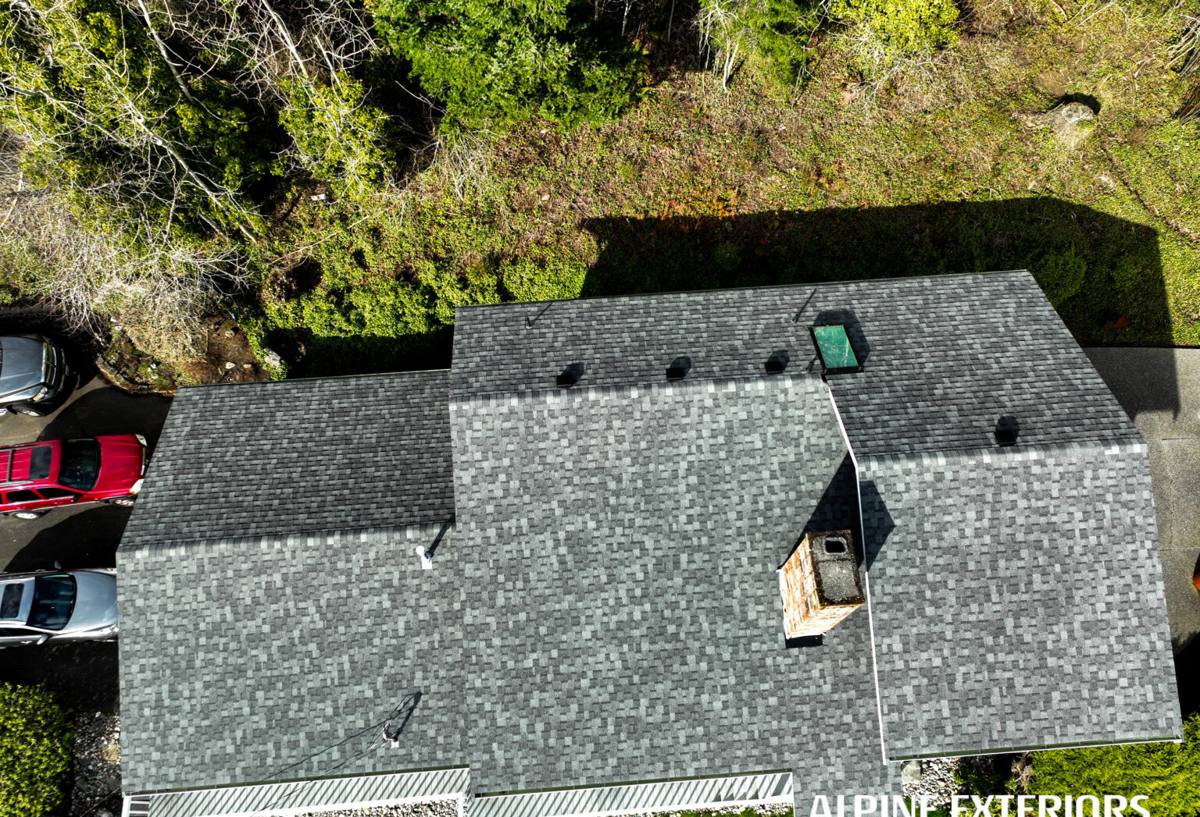
Signs a Palmetto Roof Needs Repair, Not a Full Replacement
Homeowners often assume any visible roof damage means a total replacement is coming. That's frequently not true. A well-maintained roof that's otherwise sound can usually be repaired if the damage is localized and caught before it spreads. Here's what typically points to a repair being the right call:
- Isolated shingle loss or lifting after a wind event, with the surrounding field of shingles still flat and sealed
- A single leak traced to one flashing point — a chimney, skylight curb, wall step-flashing, or vent boot — rather than widespread moisture intrusion
- Cracked or slipped tiles on an otherwise intact tile roof, common after debris impact
- Granule loss or blistering limited to one slope, often the west- or south-facing side that takes the most direct UV load
- Nail pops, exposed fastener heads, or minor sealant failure at penetrations
- A roof under 15–20 years old (for shingle) with no history of chronic leaking
If instead you're seeing widespread granule loss across every slope, soft decking in multiple areas, or a roof that's already near or past its expected service life, a repair is often just delaying an inevitable replacement — and we'll tell you that honestly rather than sell you a patch.
What a Correct Roof Repair Actually Involves
Shingle Roofs
A proper shingle repair isn't just nailing a new shingle over the damaged one. It starts with pulling back the surrounding courses to inspect the underlayment and decking underneath — because wind-driven rain in this area often finds its way well past the visible damage before you ever see a stain on a ceiling. We replace compromised underlayment, correct any fastening pattern that contributed to the original failure (under-nailing is a very common culprit with hurricane-force gusts), and re-lace new shingles into the existing courses so the repair sheds water the same way the rest of the roof does.
Tile Roofs
Tile repair requires matching not just color and profile but also the underlying batten or foam-set system already on the roof, since mixing installation methods on one slope creates uneven load paths and future cracking. Broken tiles get replaced individually where possible; the underlayment beneath cracked or slipped tiles gets checked, since tile roofs can look intact on the surface while the waterproofing layer underneath has already failed from age or UV breakdown.
Flat and Low-Slope Sections
Many Palmetto homes have at least one flat or low-slope section — a porch roof, an addition, a garage tie-in. These fail differently than pitched roofs: ponding water, membrane seam separation, and flashing pull-away at the transition to the pitched roof are the usual suspects. Repairs here need membrane-compatible materials and correct seam welding or adhesion, not a bead of caulk over a symptom.
Common Palmetto Repair Scenarios: What Drives the Cost
Every repair is different, but most calls in this area fall into a few categories. This gives a realistic sense of scope and what tends to move the price:
| Repair Type | Typical Cause Locally | What Affects Cost |
|---|---|---|
| Wind-lifted or missing shingles | Hurricane or tropical storm gusts, aging sealant strips | Number of shingles, roof pitch/height, matching existing color/style |
| Flashing leak (chimney, skylight, wall) | Salt-air corrosion, sealant breakdown from UV | Accessibility, whether decking underneath needs replacement |
| Cracked or slipped tile | Debris impact, foot traffic, aged mortar/foam set | Tile availability/matching, underlayment condition |
| Vent boot or pipe jack failure | UV-degraded rubber boots, a very common weak point here | Number of penetrations, roof access |
| Flat roof membrane seam or ponding | Age, improper original slope, heat cycling | Membrane type, size of affected area |
We give a firm, itemized quote after an on-site inspection — not a phone estimate — because the difference between "replace a boot" and "replace a boot plus rotted decking underneath" isn't visible from the driveway.
Our Repair Process, Start to Finish
- Inspection. We get on the roof (or use safe elevated inspection where pitch or condition doesn't allow foot traffic) and document the damage, its likely cause, and whether it's isolated or a symptom of a broader issue.
- Honest scope and quote. You get a written explanation of what we found, what needs to happen, and what it costs — including whether repair is the right call or replacement makes more sense.
- Scheduling around weather. Roof repairs need a dry window. We plan around Florida's storm patterns rather than starting work we can't seal the same day.
- The repair itself. Matching materials, correcting the root cause (not just the visible symptom), and re-integrating the repair into the existing roof system so water sheds correctly across the transition.
- Cleanup and closeout. Old materials and debris removed, work area cleared, and a final walk-through so you can see what was done before we consider the job finished.
Materials and Workmanship Standards We Hold To
We match shingle, tile, or membrane type to what's already on your roof whenever a suitable match exists, because mixing incompatible materials on one roof plane creates long-term problems — different expansion rates, different UV aging, different water-shedding behavior. Where an exact match isn't available (common on older roofs), we'll walk you through the closest reasonable option and its trade-offs honestly, rather than pretending it's identical.
Fasteners and flashing metal matter more here than in drier, calmer climates. We use fastening patterns rated for local wind exposure requirements, not just manufacturer minimums, and we favor corrosion-resistant flashing given the salt-air exposure this area gets from its proximity to the water. A repair that looks fine on day one but uses the cheapest available flashing will show corrosion and leak again within a few seasons — that's a false economy we won't build into our work.
Permits, Codes, and Insurance Considerations in Manatee County
Roof repair work in Manatee County is subject to Florida Building Code requirements, and depending on the scope, a permit may be required — this isn't optional paperwork, it protects you if you ever sell the home or file an insurance claim tied to storm damage. We handle the permitting conversation directly rather than leaving you to figure it out.
If your repair is tied to a storm damage insurance claim, documentation matters as much as the repair itself. We photograph and describe damage in a way that supports your claim, and we're straightforward with adjusters about what's actual storm damage versus pre-existing wear — because inflating a claim can jeopardize the whole thing, and that's not a risk worth taking on your behalf.
What to Ask Before Hiring Anyone to Repair Your Roof
Roof repair is one of the easiest trades for an unlicensed or out-of-town crew to underbid and underdeliver on, especially right after a storm when demand spikes. A short checklist before you sign anything:
- Are they licensed to do roofing work in Florida, and can they provide the license number?
- Do they carry current liability insurance and workers' compensation coverage?
- Will they put the scope of work and materials in writing before starting?
- Do they pull permits when the work requires one, or do they suggest skipping it?
- Can they explain why the damage happened, not just how they'll patch it?
- Do they have an established, physical presence in the area — or did they show up right after the last storm and knock on doors?
Storm-chasing crews are a real pattern in coastal Florida: they arrive after a hurricane, do fast cash-only work, and are gone before problems surface. A roof repair done wrong doesn't fail immediately — it fails at the next big wind event or the next rainy season, by which point the crew that did it is unreachable.
Why a Crew That Already Works Palmetto Matters
Roofing generally, and repair work specifically, is local knowledge as much as it is technical skill. Knowing which flashing details tend to fail first on homes of a certain age and construction type in this specific area, knowing what Manatee County's inspectors expect to see, and knowing how to sequence work around this region's weather windows all come from being here consistently — not from a crew passing through. We're not asking you to take that on faith; it's reflected in how we scope a job, what we flag during inspection, and how we explain the repair before we ever start work.
A roof repair is also rarely a one-time interaction. Sealant, flashing, and fastening details benefit from a periodic check, especially after a rough storm season. Working with a crew that's still going to be in the area next year — not just this week — means that follow-up is actually possible.
Ready for an Honest Look at Your Roof?
If you're dealing with a leak, storm damage, or a roof that just needs a second opinion before you commit to a full replacement, we're glad to take a look. The estimate is free, there's no pressure to sign anything on the spot, and you'll get a straight answer about whether repair or replacement is the right call — use the form below to get started.