 Bradenton
 Why Palmetto Homes Need Windows Built for This Climate, Not Just Windows That Fit
Palmetto sits close enough to the water that its homes take on a specific set of stresses most inland properties never see. Salt air corrodes hardware and pits untreated metal over time. Intense, near year-round UV breaks down seals, vinyl, and glazing compounds faster than manufacturers' general warranties assume. Wind-driven rain finds its way through gaps that would be harmless in a drier climate, and when a tropical system pushes through, sustained hurricane-force wind loads test every fastener and every inch of flashing around a window opening. None of this is unique to Palmetto, but the combination — heat, salt, humidity, and wind — is why "the windows fit the hole" is a low bar. Correctly done, custom window work in this area is a system: the right glass and frame, sized and flashed correctly, installed to hold up against what Manatee County weather actually does to a house.
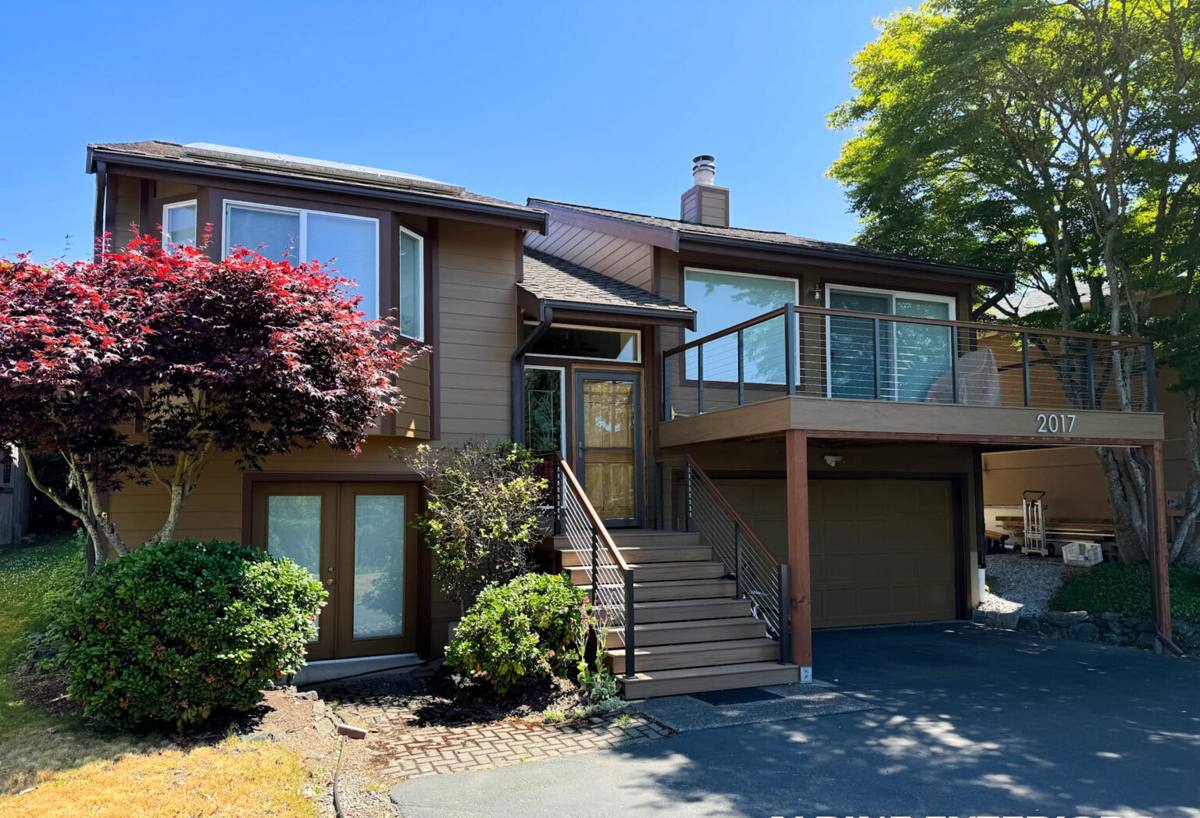
What "Custom" Actually Means on a Palmetto Job
"Custom" isn't a marketing word here — it describes the actual work. Very few homes have openings that match a big-box window's stock sizing exactly, and forcing a stock unit into a non-standard opening is one of the most common sources of leaks and premature failure we get called out to fix.
Older Homes and Non-Standard Openings
A lot of homes in and around Palmetto were built or added onto in phases over the decades, which means window openings can be slightly out of square, framed to dimensions that no longer match current product lines, or sized for windows that simply aren't made anymore. Custom work means measuring the actual opening — not the nominal size stamped on the old frame — and either sourcing a window built to that exact dimension or modifying the opening correctly, with proper framing and flashing, rather than shimming a close-enough unit into place and caulking over the gaps.
New Construction, Additions, and Design Features
Custom windows also come into play on additions, remodels, and homes where the owner wants something a standard catalog doesn't offer — a larger picture window, a specific grid pattern, an odd-shaped transom, or a matched set across a whole elevation. On these jobs, the sizing challenge is less about fitting an awkward existing hole and more about getting glass area, structural support, and wind-load rating right for something that didn't exist before.
Choosing Glass and Frame for a Coastal Property
The two decisions that matter most for a Palmetto home are the glass package and the frame material. Both affect how the window performs in wind, rain, sun, and salt air, and both affect long-term maintenance.
Impact-Rated Glass vs. Standard Glass with Protection
Impact-rated glass — laminated glass that stays intact when the outer pane cracks — is the more straightforward long-term option for most Palmetto homes, since it protects the opening without requiring you to install or remove shutters before every storm. Standard glass paired with code-compliant shutters or panels is a legitimate, less expensive alternative, but it depends on someone actually deploying that protection every time, which is a real-world reliability question, not just a product one. We'll walk through both honestly rather than push whichever costs more.
Frame Materials: What Holds Up in Salt Air
Frame material matters as much as the glass. Vinyl is a solid, low-maintenance choice for most homes and resists corrosion entirely, though very dark colors can absorb more heat in direct Florida sun. Aluminum is strong and slim-profiled but needs a quality finish to resist pitting from salt air over the years. Fiberglass costs more upfront but resists both UV degradation and corrosion better than either, with minimal expansion and contraction across our temperature swings.
| Frame Material | Salt Air Resistance | Maintenance | Typical Cost Position |
|---|---|---|---|
| Vinyl | Excellent (no corrosion) | Low | Lower to mid |
| Aluminum | Good with quality finish | Moderate — watch for pitting | Mid |
| Fiberglass | Excellent | Low | Higher |
| Wood-clad | Fair — needs upkeep on exposed wood | Higher | Higher |
What a Correct Installation Actually Involves
The window itself is only part of the job. Most window failures we're called to diagnose in this area trace back to the installation, not the product — a flashing detail skipped, a sealant used past its service life, or fasteners spaced too far apart for the wind loads the opening actually sees.
- Opening measured and checked for square, level, and plumb before ordering — not after the window arrives
- Old sealant, rot, and damaged framing removed and repaired before the new unit goes in
- Proper flashing sequence around the opening so water sheds outward, not into the wall cavity
- Fastening schedule that matches the window's tested wind-load rating, not just "enough screws"
- Sealant products rated for exterior UV exposure, not general-purpose caulk
- Interior and exterior trim finished so the opening is fully weather-sealed, not just cosmetically closed
- Permit pulled and inspection completed where required by Manatee County
Skipping any one of these can leave a window that looks fine for a season or two and then leaks, fogs, or underperforms in the next storm.
How Our Process Works, Start to Finish
We keep the process straightforward because homeowners in Palmetto have usually already dealt with at least one contractor who overcomplicated it or under-delivered.
1. On-Site Measurement and Assessment
We look at every opening individually — not just count windows, but check framing condition, current leaks or damage, sun exposure, and what glass/frame combination makes sense for that specific elevation of the house.
2. Product Selection
We go over glass options, frame materials, and configurations honestly, including cost trade-offs, so you're choosing based on what fits your home and budget rather than a sales script.
3. Permitting
Where a permit is required, we handle the paperwork and scheduling with Manatee County so you're not chasing that down yourself.
4. Removal and Installation
Old units come out, openings get inspected and repaired as needed, and new windows go in following the flashing and fastening details above — not a shortcut version of them.
5. Final Walkthrough and Inspection
We check operation, seals, and finish work with you before calling the job done, and we coordinate any required final inspection.
Signs Your Current Windows Are Already Losing the Fight
Coastal wear on windows is often gradual, so homeowners in Palmetto sometimes live with problems longer than they'd need to. Common signs it's time to look at replacement rather than another repair:
- Fogging or haze between panes on double-pane windows — a sign the seal has failed
- Chalky, pitted, or corroded frame hardware, especially on aluminum units
- Windows that are difficult to open, close, or lock, or that rattle in wind
- Visible daylight or air movement around the frame
- Water staining on interior sills or drywall near the window after heavy rain
- Noticeably higher energy bills without another clear cause
What Drives the Cost of Custom Windows
Every home is different, so we quote based on your actual openings and product selection rather than a flat per-window rate, but a few factors consistently move the price:
| Cost Factor | How It Affects Price |
|---|---|
| Opening size and shape | Larger or non-standard shapes require more custom fabrication |
| Glass package | Impact-rated laminated glass costs more than standard glass with shutters, but removes the shutter step |
| Frame material | Fiberglass and wood-clad run higher than vinyl or standard aluminum |
| Number of openings | Whole-house jobs typically bring a better per-window cost than one-off replacements |
| Structural or framing repair | Rot or out-of-square openings add labor before the new window can go in |
| Access and site conditions | Second-story or hard-to-reach openings take more time and equipment |
Why It Matters That We Already Work in Palmetto
A crew that already works this area knows the practical details that don't show up in a brochure — which framing quirks show up in Palmetto's older housing stock, what Manatee County's permitting process actually requires, and how quickly salt air and sun exposure wear on a given material in this specific location versus further inland. That local familiarity shortens the guesswork on your job: fewer surprises during measurement, fewer permitting delays, and installation decisions based on how materials actually perform here rather than a generic national spec sheet.
Living With Custom Windows in a Salt-Air Environment
Even a correctly installed, well-chosen window benefits from basic upkeep in this climate. Rinsing frames and hardware periodically helps clear salt residue before it can pit metal components. Checking exterior sealant for cracking after a few years of UV exposure catches small gaps before they become leaks. Operating hardware regularly keeps mechanisms from seizing, and a quick post-storm check for any new gaps or moisture is worth the ten minutes it takes. None of this is complicated, but it's the difference between windows that hold up for decades and ones that need attention sooner than they should.
If you're weighing custom window options for a home in Palmetto, we're glad to take a look and give you a straight assessment — no pressure, no upsell script. Fill out the form below for a free estimate, and we'll go over what your specific openings and budget call for.