 Bradenton
 Roofing Built for Palmetto's Coastal Conditions
Palmetto sits right where the Manatee River meets Tampa Bay, and that location comes with a specific set of roofing challenges. Homes here take on hurricane-force wind gusts during storm season, near-constant UV exposure the rest of the year, wind-driven rain that finds every weak seam, and a steady dose of salt air drifting in off the water. Any one of those would shorten a roof's life. Together, they mean a roofing system that performs fine in a drier, calmer part of the state can fail early here.
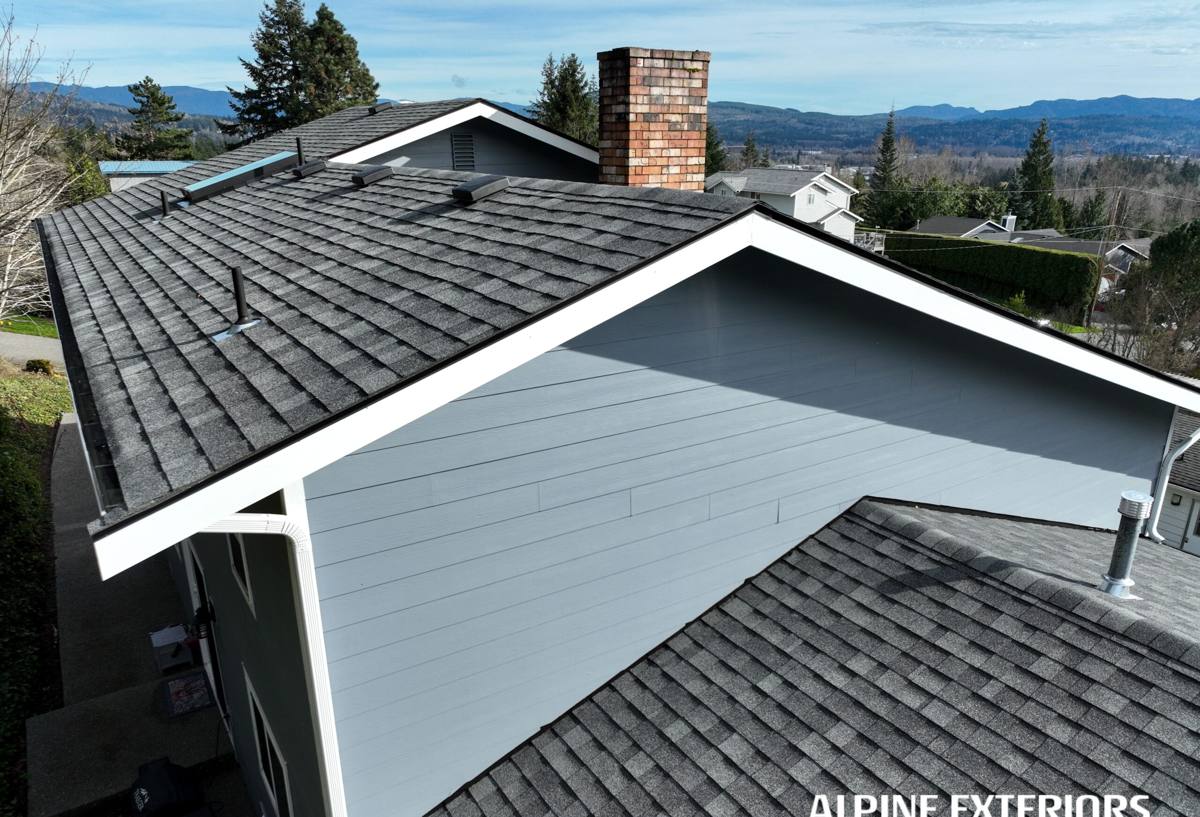
Asphalt shingle roofing remains one of the most practical choices for Palmetto homeowners when it's specified and installed correctly for this climate. It's not about picking the cheapest shingle on the shelf — it's about matching the shingle class, the underlayment, the fastening pattern, and the ventilation to what this specific stretch of Manatee County actually throws at a roof year after year.
What Palmetto's Climate Actually Does to a Roof
Wind and Storm Exposure
Palmetto's proximity to open water means wind loads during tropical systems can exceed what many older roofs were ever built to handle. Shingles rated for lower wind speeds, or installed with the wrong nail pattern, are often the first thing to go — and once a few tabs lift, wind gets underneath the whole field and the damage compounds fast.
UV and Heat
Florida sun is relentless on roofing materials. UV breaks down asphalt oils over time, causing granule loss, brittleness, and premature cracking — especially on roof faces that get direct afternoon exposure most of the year.
Wind-Driven Rain
It's rarely straight-down rain that causes leaks here. Wind-driven rain gets pushed sideways and upward under shingle edges, around flashing, and into any gap in the underlayment. A roof that's watertight in a normal rainstorm can still leak in a Manatee County squall if the details underneath aren't right.
Salt Air
Being close to the bay means airborne salt settles on roofing surfaces and metal components. Over years, that accelerates corrosion on exposed fasteners, flashing, and vents if they aren't rated for coastal exposure.
What a Correctly Installed Asphalt Shingle Roof Includes
A roof is a system, not just a layer of shingles. Skipping or shortcutting any one of these components is usually where premature failures start.
Deck Inspection and Repair
Before anything goes down, the roof deck itself needs to be sound — no soft spots, no delaminated plywood, no hidden water damage from a prior roof's slow leaks. Installing new shingles over a compromised deck just hides the problem until it's worse and more expensive.
Underlayment
In a coastal wind-driven-rain environment, underlayment is doing more work than people realize. A synthetic or self-adhering underlayment provides a secondary water barrier if wind ever drives moisture past the shingles themselves — which, in this area, it eventually will during a strong storm.
Flashing
Valleys, roof-to-wall transitions, chimneys, skylights, and any roof penetration are where leaks actually start, far more often than the open field of shingles. Correctly formed and sealed flashing — not just caulk over old flashing — is one of the biggest differences between a roof that lasts and one that doesn't.
Fastening Pattern
Wind resistance comes down to nailing pattern as much as it comes down to shingle quality. High-wind installation calls for the correct nail count, placement in the manufacturer's designated nailing zone, and proper nail depth — not overdriven, not underdriven. This is one of the most commonly rushed steps on lower-quality installs, and it's the one that shows up first when a storm hits.
Ventilation
Proper attic ventilation keeps heat and moisture from building up under the deck. Without it, shingles can bake from underneath as well as from the sun above, and trapped moisture accelerates deck rot — a problem that's worse in Florida's humidity than in drier climates.
Choosing a Shingle Class for This Environment
Not every asphalt shingle is built the same, and for a Palmetto roof, wind rating and UV resistance matter more than they would inland.
| Shingle Type | Typical Wind Rating | Best Fit For |
|---|---|---|
| Standard 3-tab | Lower wind rating, lighter weight | Budget-conscious projects on wind-sheltered structures |
| Architectural (laminate) | Higher wind rating, heavier construction | Most Palmetto homes — better wind and impact performance |
| High-wind rated architectural | Highest asphalt wind rating, enhanced sealant strip | Homes with direct water exposure or open wind approach |
We walk homeowners through this decision rather than defaulting to the cheapest option. A slightly higher upfront cost for a high-wind-rated shingle often pays for itself the first time a named storm comes through, both in performance and in insurance considerations.
Our Installation Process
- Inspection and estimate — we evaluate the existing roof, deck condition, ventilation, and flashing points, and give an honest assessment of what the job actually needs.
- Tear-off — old shingles and underlayment come off completely; we don't install a new roof over an old one, since that traps moisture and hides deck problems.
- Deck repair — any damaged or soft decking is replaced before underlayment goes down.
- Underlayment and flashing — synthetic or self-adhering underlayment is installed, followed by properly formed flashing at all valleys, walls, and penetrations.
- Shingle installation — shingles go down following the manufacturer's high-wind nailing specification, not a generic pattern.
- Ventilation check — intake and exhaust ventilation is verified or corrected as part of the job, not treated as an afterthought.
- Final walkthrough and cleanup — we review the finished roof with the homeowner and make sure the property is cleared of debris and nails.
Signs a Palmetto Roof Needs Attention
Coastal wear often shows up gradually, then all at once during storm season. Homeowners should watch for:
- Missing, curling, or lifted shingle tabs, especially after a windy stretch
- Bald or shiny patches where granules have worn away
- Dark streaking or staining that keeps returning after cleaning
- Soft spots or sagging areas felt underfoot on the roof deck
- Rust staining around vents, flashing, or fasteners
- Daylight visible through the attic decking, or musty attic odor
- Granules collecting in gutters after rain
Any of these on their own may not mean a full replacement is needed, but they're worth a professional look before the next storm season.
Wind Ratings and Manatee County Code
Roofing installed in Manatee County has to meet Florida Building Code wind-load requirements for our coastal wind zone, which are stricter than code in many other parts of the country. This affects nailing patterns, starter strip installation, and in some cases the shingle class itself. Permits and inspections exist for a reason here — they're a check that the roof underneath the shingles was actually built to hold up, not just to look finished. We pull the required permits and build to code, not around it.
Maintenance and Realistic Lifespan
Asphalt shingle roofs in coastal Manatee County generally don't reach the same lifespan quoted in national manufacturer literature written for milder climates — sun, salt, and storm exposure simply ask more of the material here. A well-installed architectural shingle roof, properly ventilated and maintained, can still deliver many years of solid service. What extends that lifespan is straightforward: keeping gutters clear so water doesn't back up under the eaves, trimming back overhanging branches, having flashing and sealant points checked periodically, and getting a post-storm inspection after any significant wind event — even if nothing looks obviously wrong from the ground.
Why a Crew That Already Works Palmetto Matters
Roofing crews that work across many different climates tend to install to a generic standard. A crew that works Palmetto and the broader Bradenton area regularly already knows which nailing pattern the local wind exposure calls for, which flashing details tend to fail first in this salt air, and what Manatee County inspectors are actually checking for. That local familiarity shows up in fewer callbacks, fewer surprises during permitting, and a roof that's built for the storms this area actually sees rather than a national average.
What Affects the Cost of Your Roof
Every roof is priced based on its own specifics, but the main factors are consistent across most Palmetto projects:
| Factor | Why It Matters |
|---|---|
| Roof size and pitch | More surface area and steeper slopes take more material and labor |
| Deck condition | Rotted or soft decking requires repair before shingles go down |
| Shingle class chosen | Higher wind-rated architectural shingles cost more than standard 3-tab |
| Number of penetrations | Chimneys, skylights, and vents each need individual flashing work |
| Tear-off complexity | Multiple existing layers or difficult access add labor time |
| Ventilation upgrades | Adding or correcting intake/exhaust vents affects scope |
We provide a written estimate that breaks these factors down so homeowners understand exactly what they're paying for, rather than a single lump-sum number with no explanation behind it.
Ready to Talk About Your Roof?
If you're in Palmetto and dealing with an aging roof, storm damage, or just want an honest opinion on where your current shingles stand, we're happy to take a look. Reach out for a free, no-pressure estimate using the form below.