 Bradenton
 Why Ellenton Roofs Wear Differently Than Roofs Inland
Ellenton sits close to the Manatee River and the I-75/I-275 split, which puts it squarely in the path of the same weather that shapes roofing decisions all along the Tampa Bay side of Manatee County: long stretches of intense summer sun, sudden wind-driven downpours, and the seasonal threat of tropical systems moving in off the Gulf. A roof here isn't just shedding rain — it's absorbing UV radiation nearly every day of the year, flexing under gusts that can spike well above normal design loads during a storm, and dealing with humid, salt-tinged air that finds its way into fasteners, flashing, and attic spaces if the installation wasn't done right the first time.
None of this means Ellenton homes need exotic materials or gimmicks. It means the fundamentals — deck condition, fastening pattern, underlayment quality, flashing detail, and ventilation — have to be done correctly, because this climate has a way of finding every shortcut a crew takes.
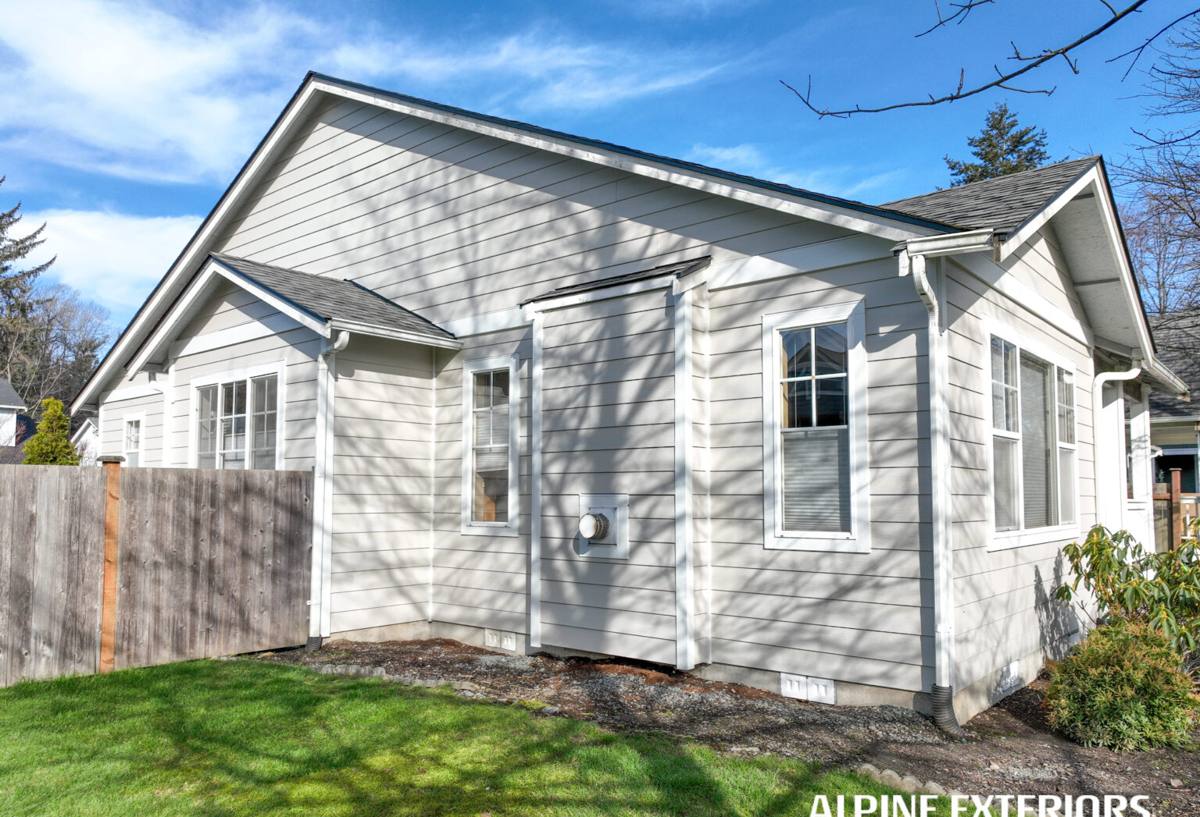
Signs a Repair Won't Cut It Anymore
Not every roofing problem calls for full replacement, but there's a point where patching stops making financial sense. Common signs we see on Ellenton roofs include:
- Granule loss heavy enough that shingles look blotchy or bald in sun-exposed sections
- Multiple past repairs in different areas, suggesting the underlayment and deck are aging out together
- Soft spots or sagging when walked, which usually means deck rot from long-term moisture intrusion
- Curling, cracking, or lifted shingle edges from years of UV exposure and heat cycling
- Interior staining on ceilings that reappears after repairs, pointing to a systemic flashing or underlayment failure rather than one bad spot
- A roof approaching or past 20 years old with no documented wind mitigation upgrades
If you're seeing two or more of these, a new roof is usually the more cost-effective path — one that also resets your wind mitigation profile for insurance purposes, which matters a great deal in this part of Florida.
What a Correct New Roof Installation Actually Involves
A roof is a system, not a single product. Skipping any layer of that system is where most premature failures start.
Tear-Off and Deck Inspection
We remove the existing roofing down to the deck rather than layering over old material. This lets us actually see the plywood or OSB underneath — soft, delaminated, or water-stained decking gets replaced before anything new goes down. Installing new shingles or metal over a compromised deck is one of the most common corner-cutting moves in this trade, and it's the reason some "new" roofs fail within a few years.
Underlayment
This is the roof's real waterproofing layer, and it matters more in Florida than almost anywhere else in the country. We use a synthetic or self-adhering underlayment rated for high heat and wind-driven rain, with special attention to laps and fastening pattern so wind can't work its way underneath during a storm.
Flashing
Valleys, chimneys, skylights, and wall intersections are where the overwhelming majority of leaks originate — not the open field of the roof. Proper flashing means new metal (not reused old flashing), correctly lapped with the underlayment and roofing material, sealed at every penetration.
Fastening for Wind
Manatee County building code sets minimum fastening requirements based on your home's design wind speed, and we meet or exceed those specs — correct nail count, placement, and pattern rather than the minimum a crew can get away with. This is also what determines whether your roof qualifies for wind mitigation insurance credits.
Ventilation
An attic that can't breathe traps heat and moisture, which shortens shingle life from underneath and can void manufacturer warranties. We check existing intake and exhaust ventilation and correct it as part of the installation, not as an afterthought.
Choosing the Right Material for a Manatee County Home
There's no single "best" roofing material — the right choice depends on your home's structure, your budget, and how long you plan to stay in the house. Here's an honest comparison of what we most often install in this area:
| Material | Typical Lifespan | Wind Performance | Notes for This Climate |
|---|---|---|---|
| Architectural asphalt shingles | 20-30 years | Good, rated to 130+ mph when properly installed | Best balance of cost and durability for most Ellenton homes |
| 3-tab asphalt shingles | 15-20 years | Lower wind rating than architectural | Lower upfront cost, but shorter service life in this heat and wind exposure |
| Standing seam metal | 40-50+ years | Excellent, among the highest wind ratings available | Higher upfront cost, reflects heat well, strong long-term value |
| Tile (concrete or clay) | 40-50+ years | Very good when fastened to current code | Heavy — requires structural verification; common on higher-end homes in the area |
We'll walk you through which option makes sense for your specific roof structure and budget rather than pushing whatever is easiest for us to install.
Permits, Wind Mitigation, and Insurance
Every full roof replacement in unincorporated Manatee County and the surrounding municipalities requires a permit and inspection — that's not paperwork we skip to save time, because an unpermitted roof can come back to bite you at resale or during an insurance claim. We handle the permit application and coordinate the required inspections as part of the job.
A new roof installed to current Florida Building Code fastening and underlayment standards typically qualifies for a fresh wind mitigation inspection, which can lower your homeowner's insurance premium. We provide the documentation needed for that inspection, but the mitigation report itself comes from a licensed inspector — we won't claim savings figures we can't guarantee, since every insurer weighs these credits differently.
Our Installation Process
- On-site evaluation — we inspect the current roof, attic ventilation, and deck condition, and measure for an accurate material estimate
- Written estimate — material options, scope of work, and timeline laid out clearly before you commit to anything
- Permitting — we file with the appropriate local jurisdiction and schedule required inspections
- Tear-off and deck repair — old material removed, damaged decking replaced
- Underlayment and flashing — installed to current code, with extra attention at valleys and penetrations
- Material installation — shingles, metal, or tile installed per manufacturer specification for full warranty coverage
- Cleanup and magnetic sweep — job site cleared of debris and nails before we consider the job done
- Final walkthrough and inspection — we review the completed roof with you and confirm the permit closes out cleanly
Why Hiring a Crew That Already Works Ellenton Matters
A roofing crew that regularly works Ellenton and the rest of Bradenton and Manatee County already knows which local jurisdiction's permitting process applies to your address, what inspectors here typically look for, and how homes in this area tend to be built. That familiarity cuts down on delays and callbacks. It also means we're not guessing at wind zone requirements or treating your roof like it's in a different climate — we size the fastening pattern, underlayment, and ventilation to what actually holds up here, because we see the results of good and bad installations across this area year-round.
What Drives the Cost of a New Roof
Every roof is priced individually, but the main factors that move the number up or down are consistent:
- Roof size and the number of planes, valleys, and penetrations
- Pitch and accessibility — steeper or harder-to-reach roofs take more labor
- Material choice, from asphalt shingles up through metal or tile
- Extent of deck repair needed once old material comes off
- Ventilation upgrades required to bring the attic system up to standard
- Local permit fees, which vary by jurisdiction within Manatee County
We give you real numbers after an actual inspection, not a ballpark over the phone — roofs vary too much house to house for a phone quote to be honest.
After Installation: Keeping Your New Roof Performing
A new roof installed correctly should need very little from you, but a couple of habits extend its life in this climate: keep gutters clear so water doesn't back up under the roof edge during heavy rain, and have the roof looked at after any major storm even if nothing looks obviously wrong — wind-driven rain can find small openings around flashing before they're visible from the ground. Keep your permit and warranty paperwork; you'll want it for insurance and for resale.
If your Ellenton home's roof is showing its age or you just want a straight answer on whether repair or replacement makes more sense, we're happy to take a look. Fill out the form below for a free, no-pressure estimate.