 Bradenton
 New Roof Installation in Bayshore Gardens
Bayshore Gardens sits close to Sarasota Bay, which means homes here take a combination of punishment that inland Manatee County properties don't see as heavily: salt-laden air off the water, intense year-round UV exposure, wind-driven rain during summer storms, and the occasional direct hit from hurricane-force wind. A roof that's correctly specified and installed for this specific mix of conditions will outlast one that was put on with a generic approach. A roof that wasn't will show it early — granule loss, seal failures at the edges, and leaks around penetrations well before the material's rated lifespan is up.
This page covers what a new roof installation actually involves for a Bayshore Gardens home, what to expect from a properly run job, and why local experience matters as much as the shingle or metal panel you choose.
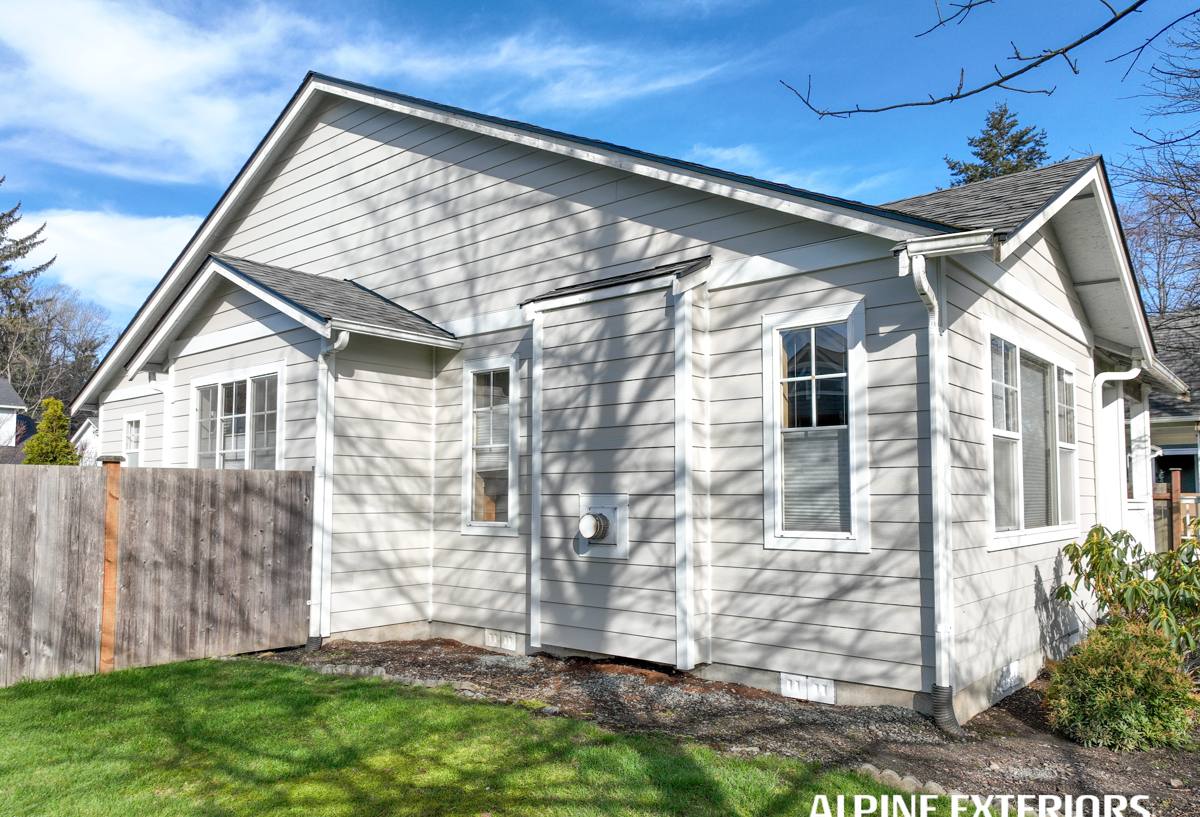
What Bayshore Gardens Roofs Are Up Against
Salt Air and Corrosion
Proximity to the bay means airborne salt settles on roofing materials and metal components year-round, not just after a storm. Fasteners, flashing, and any exposed metal need to be rated for coastal exposure. Standard hardware that would hold up fine 20 miles inland can start corroding within a few years this close to the water.
UV Load
Florida sun is hard on roofing materials everywhere, but a roof with no wind cover from mature trees and open bay exposure gets full-strength UV for most of the day, most of the year. That accelerates the breakdown of asphalt shingle oils and the UV-resistant coatings on metal roofing, which is part of why material selection and proper attic ventilation matter more here than they would in a shadier lot.
Wind and Wind-Driven Rain
Manatee County sits in a wind-borne debris region under Florida Building Code, and Bayshore Gardens' exposure to open water means wind loads on a roof can be higher than what a code minimum calculation for a more sheltered inland lot would produce. Wind-driven rain doesn't need a hurricane to find its way in — it just needs a poorly sealed edge, a gap in underlayment, or flashing that wasn't lapped correctly.
What a Correct Installation Actually Involves
A new roof is more than swapping old material for new. The parts that don't show once the job is done are usually the parts that determine whether it holds up.
- Deck inspection and repair: Every section of decking gets checked for soft spots, delamination, or water damage before anything new goes down. Damaged decking gets replaced, not covered over.
- Underlayment upgrade: A synthetic or self-adhering underlayment system rated for high-wind, high-moisture climates — this is the roof's real waterproofing layer, doing more day-to-day work than the visible surface material.
- Enhanced fastening: Nailing patterns and fastener counts that meet or exceed Florida Building Code wind requirements for this exposure category, not just the manufacturer's minimum spec.
- Flashing at every transition: Valleys, walls, chimneys, skylights, and pipe boots — these are where the overwhelming majority of leaks originate, and they need to be done correctly the first time.
- Ventilation review: Proper intake and exhaust airflow so the attic isn't trapping heat and moisture, which shortens material life and can void warranties if it's out of spec.
- Corrosion-resistant hardware: Fasteners, drip edge, and flashing rated for coastal salt exposure, not standard-grade components.
Choosing a Roofing System for This Location
There's no single "best" roof for every Bayshore Gardens home — it depends on the roof's shape, the homeowner's budget, and how long they plan to be in the house. What matters is choosing with the local conditions in mind, not just curb appeal.
| Roofing Type | Wind Performance | Salt Air Durability | Typical Lifespan Locally |
|---|---|---|---|
| Architectural asphalt shingle | Strong when installed with enhanced fastening and rated underlayment | Good with proper flashing and hardware; granule wear tracked over time | 18-25 years |
| Standing seam metal | Excellent — among the best wind uplift ratings available | Very good with coastal-rated coatings and stainless or coated fasteners | 35-50 years |
| Tile (concrete or clay) | Good when properly fastened; heavier system with different structural requirements | Very good — tile itself doesn't corrode, though underlayment does the real waterproofing work | 30-50 years (underlayment typically needs replacement sooner) |
We walk through these trade-offs honestly during the estimate — upfront cost, maintenance expectations, and how each system actually performs once it's a few years old in a bay-exposed neighborhood like this one, not just how it performs on a spec sheet.
Signs a Bayshore Gardens Roof Needs Replacing, Not Patching
Not every roof problem calls for full replacement, but certain conditions mean repairs are just delaying the inevitable and spending money that won't carry forward.
- Granule loss heavy enough that shingles look patchy or bald in sun-exposed areas
- Multiple past repairs in different areas of the roof, rather than one isolated issue
- Soft or spongy decking found during inspection, indicating sustained moisture intrusion
- Visible curling, cracking, or lifted shingle edges from UV and wind cycling
- A roof approaching or past its rated lifespan with no major upgrades since installation
- Rusting or corroded flashing and fasteners from prolonged salt air exposure
If a roof is showing one or two of these in isolation, targeted repair is often the right call. If several are present together, a full replacement usually ends up costing less over time than chasing repairs on an aging system.
Our Process for a Bayshore Gardens Roof Replacement
1. On-Site Inspection and Honest Assessment
We walk the roof, check the attic where accessible, and give a straight answer on whether replacement is actually necessary or if repair is a reasonable option. We don't upsell a full replacement when a targeted fix will genuinely hold.
2. Written Estimate with Real Detail
The estimate spells out material choice, underlayment system, fastening approach, and flashing scope — not just a single lump-sum number. Homeowners should know exactly what they're paying for.
3. Permitting
New roof installations in Manatee County require a permit, and the work has to meet current Florida Building Code wind and installation standards for this exposure category. We handle the permit process and schedule the required inspections as part of the job.
4. Tear-Off and Deck Inspection
Old material comes off completely — we don't install a new roof over an old one. This is also the point where any hidden deck damage gets found and addressed before it's covered up.
5. Installation
Underlayment, flashing, and the roofing material go on to spec, with attention to the details — fastening patterns, flashing laps, ventilation — that determine how the roof performs in year eight or year fifteen, not just on day one.
6. Final Inspection and Cleanup
A final walk-through, magnetic sweep for stray fasteners, and confirmation that everything meets code before we consider the job finished.
Why Local Experience in Bayshore Gardens Matters
A roofing crew that regularly works this specific pocket of Manatee County knows what the bay-facing exposure does to materials over time — not from a textbook, but from having seen it on actual jobs down the street. That experience shapes decisions a generalist crew might not think to make: which fastener grade holds up, where extra flashing attention pays off, and which ventilation setup actually keeps attic moisture in check given how close the property sits to open water. It also means we already know the local permitting process and inspection requirements, so there aren't delays from unfamiliarity with the county's procedures.
What Affects the Cost of a New Roof Here
Every roof is priced based on its own specifics, but a few factors consistently move the number for Bayshore Gardens homes:
- Roof size and complexity: More valleys, dormers, and penetrations mean more flashing work and labor time.
- Material choice: Asphalt shingle, metal, and tile carry different material and labor costs, with metal and tile generally costing more upfront but lasting longer.
- Deck condition: Rotted or damaged decking discovered during tear-off adds material and labor that couldn't be quoted sight-unseen.
- Wind-rating upgrades: Enhanced fastening and coastal-rated hardware add some cost but reduce long-term risk in this exposure zone.
- Ventilation corrections: If existing attic ventilation is inadequate, bringing it up to standard adds a line item but protects the new roof's warranty and lifespan.
We'd rather walk a homeowner through these variables in person and give a number based on their actual roof than quote a range that doesn't mean much until we've seen the property.
If your roof in Bayshore Gardens is showing its age or you're planning ahead of the next storm season, we're happy to take a look and give you a straightforward, no-pressure estimate — just fill out the form below.