 Bradenton
 Building New in Lakewood Ranch Means Building for Florida Weather
Lakewood Ranch has been one of the busiest growth areas in Manatee County for years, with new homes going up across its villages alongside additions, lanai enclosures, and full custom builds. Whatever the project, the windows going into a new structure have one job that matters more than anything else: keeping water and wind out of a house that doesn't have years of settling and weathering to reveal weak points. On a new build, mistakes in window selection or installation get sealed behind stucco, siding, and drywall before anyone notices a problem. That makes getting it right the first time non-negotiable.
New-construction windows aren't just "windows installed in a new house" — they're a different category of product and installation method than the replacement windows most people are familiar with. Understanding that difference is the first step to making a good decision for your build.
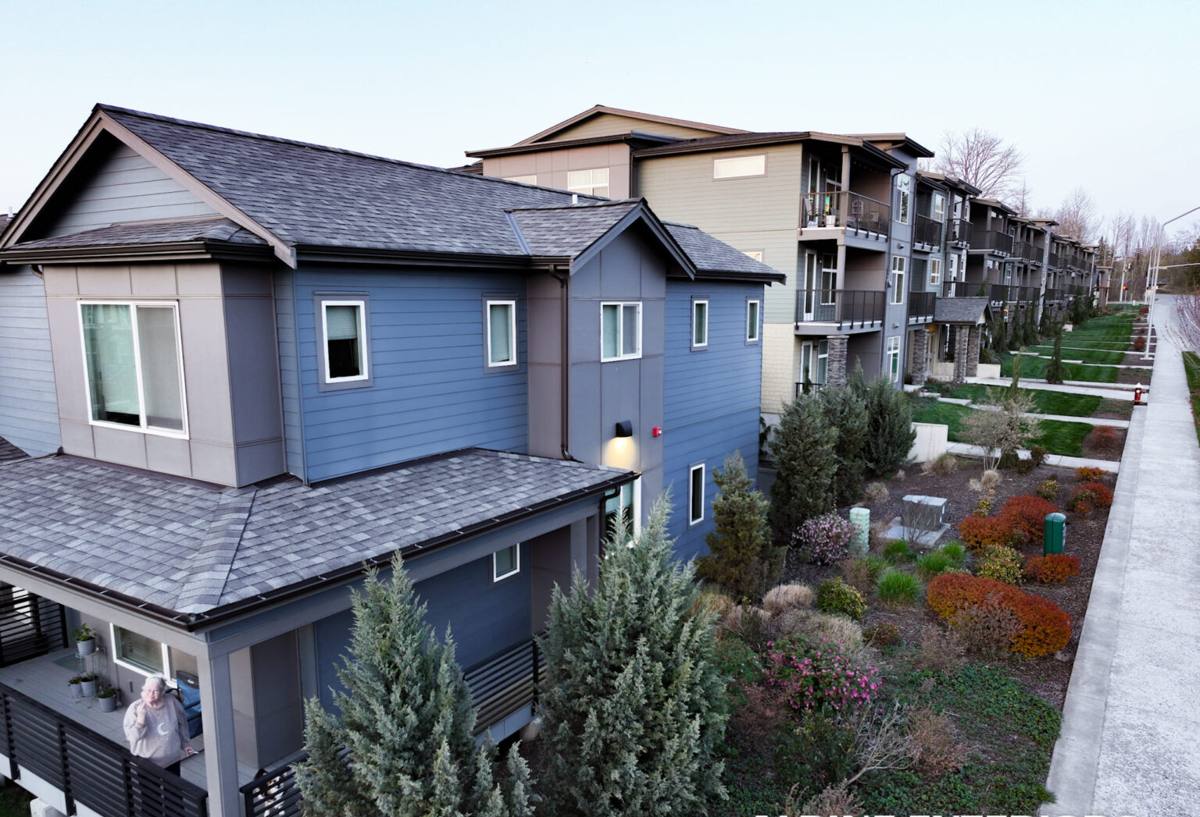
New-Construction Windows vs. Replacement Windows
A replacement window is built to fit inside an existing, finished window opening — it's an insert. A new-construction window has a nailing fin (sometimes called a flange) around its perimeter that gets fastened directly to the wall sheathing before the exterior finish goes on. That fin is what ties the window into the home's weather-resistive barrier and flashing system, and it's only accessible during framing — once stucco or siding is up, you can't get to it without tearing into the wall.
This matters locally because it means the window and the installation sequence have to be planned around the rest of the building schedule, not treated as an afterthought. On a Lakewood Ranch build, that means coordinating with the framer, the stucco or siding crew, and often the builder's own inspection schedule so the windows go in at the right point and get properly integrated with the drainage plane behind the exterior finish.
Why This Sequencing Is Worth Getting Right
Manatee County sees heavy, wind-driven rain during summer storms and the tropical systems that pass through most seasons. Water doesn't need a hurricane to find a gap — it just needs wind pressure and an unsealed seam. A window installed out of sequence, without proper sill pan flashing or without the housewrap correctly lapped over the fin, can leak for years before the damage shows up as a stain, mold, or soft framing behind the drywall.
What Bradenton's Climate Demands From a New Window
Every window on a new Lakewood Ranch home has to survive the same combination of stresses year after year: hurricane-force wind loads, intense UV exposure nearly every day of the year, wind-driven rain intrusion, and salt-laden air moving in off the Gulf. None of these are occasional problems — they're the baseline climate the window has to perform in from day one.
- Wind load: Windows need a design pressure rating matched to the home's height, exposure, and location, not just a generic "hurricane" label.
- UV exposure: Frame materials and glass coatings that aren't UV-stable will discolor, warp, or degrade seals well before their expected lifespan.
- Wind-driven rain: Flashing, sill pans, and weep systems have to manage water that's being pushed sideways and upward, not just falling straight down.
- Salt air corrosion: Hardware, fasteners, and frame finishes near the coast corrode faster than the same products used further inland.
A window that's a great fit for a house in the Midwest can be a poor fit here, even if it's technically "hurricane rated" somewhere on the label. Local performance requirements are specific, and the products and installation details need to match them.
Florida Building Code, Wind-Borne Debris, and Design Pressure
Manatee County falls within Florida's wind-borne debris region under the Florida Building Code, which means new construction generally requires either impact-rated windows or an approved impact protection system for exterior openings. On a new build, the cleaner and more common route is specifying impact-rated windows up front rather than adding separate shutter systems after the fact.
Every window used has to carry a Florida product approval number and a design pressure (DP) rating adequate for the home's specific wind exposure — which depends on the structure's height, its location relative to open terrain, and the county's mapped wind speed. This isn't a detail to leave to guesswork; it's calculated as part of the building plans and has to match what's actually installed, or it won't pass inspection.
What This Means in Practice
On new construction, we work from the plans and the local wind exposure requirements to confirm the DP rating and impact rating specified for each opening is correct — not just "impact glass" in general, but the right window for that specific wall, elevation, and opening size. Getting this wrong doesn't just risk a failed inspection; it risks a window that's genuinely undersized for the loads it will see in a real storm.
Frame Materials: What Holds Up in Lakewood Ranch
Frame material affects how a window handles heat, UV, and salt air over its lifespan. There's no single "best" material for every situation — it depends on the home's style, budget, and how exposed the elevation is to sun and weather.
| Frame Material | Typical Cost Tier | Coastal/UV Performance | Maintenance |
|---|---|---|---|
| Vinyl | Lower | Good with UV-stabilized formulations; can soften or warp in poor-quality products | Low |
| Aluminum | Mid | Strong structurally; needs corrosion-resistant hardware and finish near salt air | Low to moderate |
| Fiberglass / Composite | Higher | Excellent dimensional stability under heat and UV; resists corrosion well | Low |
We don't push one material as universally "better" — we match the frame to the home's design, the budget, and the specific elevation's sun and wind exposure. What we won't do is install a frame or hardware package that's a poor match for salt air just because it's cheaper up front; the maintenance and premature failure costs almost always outweigh the initial savings on a coastal Florida build.
Glass Packages That Actually Matter Here
Impact-rated laminated glass is the baseline for wind-borne debris protection, but the glass package also affects comfort and energy costs. Low-E coatings cut down on solar heat gain, which matters a lot given how much direct sun Manatee County homes take year-round. Tinted or spectrally selective glass can help on west- and south-facing elevations where afternoon heat gain is heaviest.
For a new build, this is worth deciding room by room rather than picking one glass spec for the whole house. A lanai wall of windows facing full afternoon sun has different needs than a bedroom window on a shaded north elevation.
HOA and Architectural Review in Lakewood Ranch
Lakewood Ranch is a master-planned community, and most of its villages operate under homeowners' association or architectural review guidelines that cover exterior appearance — including window style, frame color, grid patterns, and sometimes glass tint. On a new build or an addition, this review typically has to happen before installation, not after.
We factor this into planning on any Lakewood Ranch project: confirming what documentation the HOA or architectural review board needs, and making sure the window specifications we're recommending are ones that will actually get approved, rather than picking a product and hoping it clears review later.
Our Installation Process
For new-construction window work in Lakewood Ranch, our process generally runs like this:
- Review the building plans, elevation exposures, and any HOA architectural guidelines that apply.
- Confirm the required design pressure and impact ratings for each opening based on the home's wind exposure.
- Select frame material and glass packages suited to each elevation's sun and storm exposure.
- Coordinate installation timing with the framing and exterior finish schedule so flashing and weather barrier integration happen in the correct order.
- Install sill pans, flashing tape, and housewrap laps per manufacturer and code requirements — not shortcuts that only look right until the first hard rain.
- Document product approval numbers and DP ratings for inspection and for your records going forward.
We treat the inspection and documentation step as part of the job, not paperwork to rush through — it's what protects you if there's ever a warranty question or an insurance claim down the road.
What This Should Cost
New-construction window pricing depends on opening count, size, glass package, and frame material, and it varies more than replacement window pricing because it's tied to a broader construction schedule. As a rough guide, expect impact-rated new-construction windows suited to this area to run from the mid hundreds to over a thousand dollars per opening installed, with larger openings, upgraded glass packages, or premium frame materials pushing toward the higher end. Get a written quote broken out by opening so you can see exactly what you're paying for on each window, not just a single lump total.
Questions Worth Asking Before You Hire
- Does the crew pull permits and carry Florida product approval documentation for the specific windows being installed?
- Can they explain the design pressure rating required for your home's exposure, not just say "hurricane rated"?
- Do they have experience coordinating with builders and HOA/architectural review in Lakewood Ranch specifically?
- Will they detail the flashing and sill pan method they use, not just the window brand?
- Are they licensed and insured for exterior construction work in Manatee County?
- Do they provide documentation you can keep for insurance and warranty purposes?
A contractor who can answer these clearly, without dodging into brand names alone, is doing the job the way it should be done.
If you're planning new windows for a build, addition, or renovation in Lakewood Ranch, we're happy to walk the plans with you and put together a free, no-pressure estimate — just fill out the form below.