 Bradenton
 Building New in Cortez: Why Window Choice Matters From the Start
Cortez sits right up against Sarasota Bay, and that waterfront position shapes everything about how a new home should be built here. If you're framing a new house or a major addition in this part of Manatee County, the windows you choose and how they're installed are not a detail to sort out at the end of the project — they're part of the structural and weather envelope from day one. Get it right during construction and you have decades of trouble-free performance. Get it wrong and you're looking at leaks, frame corrosion, or a failed inspection that holds up your certificate of occupancy.
New-construction window work is a different job than swapping out old windows in an existing house. On a new build, the window opening, the flashing, the weather-resistant barrier, and the exterior finish (stucco, siding, or lap board) all have to be sequenced and integrated together. There's no old window to reference and no existing flashing to work around — but there's also no room for guesswork, because everything gets sealed up behind the finish material and inspected before it does.
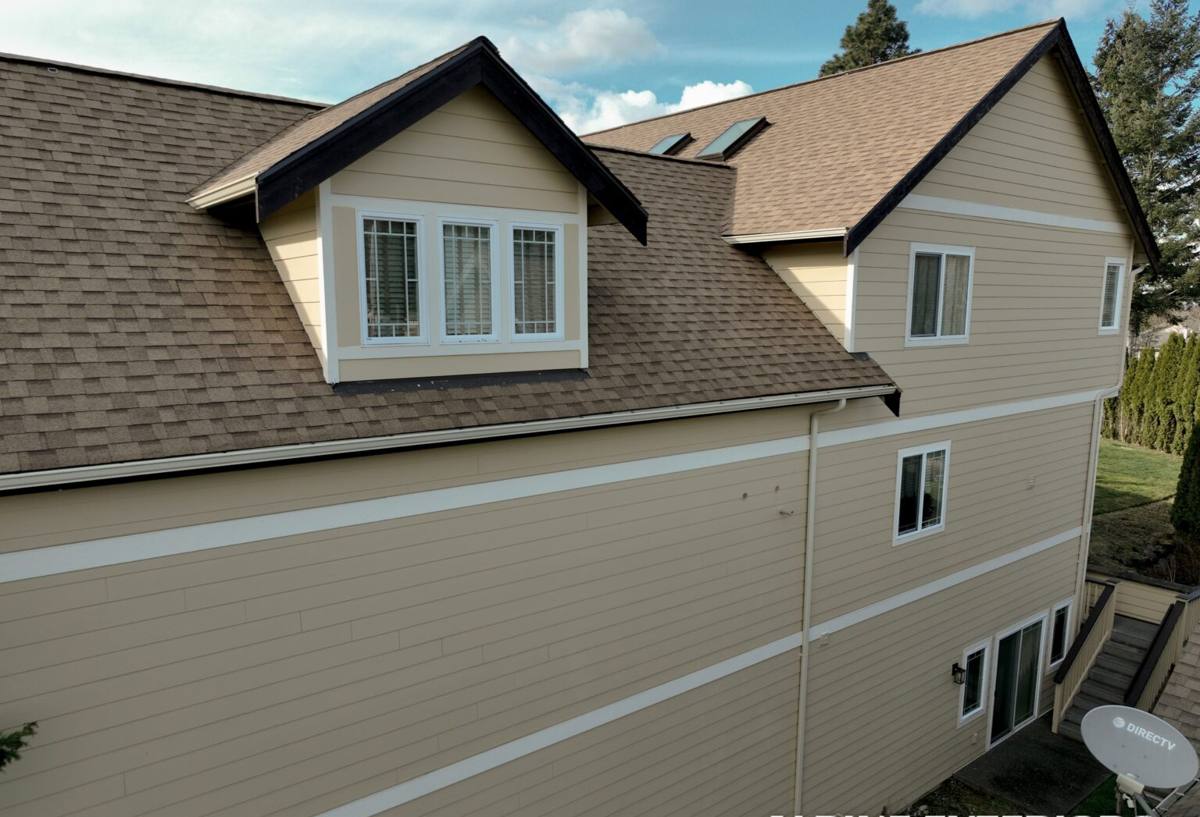
What Cortez Homes Are Up Against
Cortez is a low-lying, waterfront community, and that means the building code treats it differently than an inland lot. Homes here typically fall inside Florida's wind-borne debris region, which drives specific requirements for window pressure ratings and, in many cases, impact resistance or approved protective coverings. On top of the wind and code side, there's the day-to-day environmental load:
- Salt air corrosion — hardware, screws, and frame components near the water degrade faster without marine-grade or corrosion-resistant materials.
- Wind-driven rain — Gulf storms don't just bring wind, they push rain sideways and upward under poorly flashed openings.
- Year-round UV exposure — constant sun breaks down seals, gaskets, and lesser vinyl formulations well before their rated lifespan if the product isn't built for it.
- Storm surge and flood-zone considerations — many Cortez lots carry flood zone designations that affect finished floor elevation and, indirectly, window placement and sill height.
None of this is unique to Cortez specifically, but the concentration of it — being this close to open water in Manatee County — is why we treat new construction here differently than a build a few miles inland.
New Construction vs. Replacement: The Real Difference
Homeowners sometimes assume "installing a window" is the same job whether it's new construction or a replacement. It isn't. Replacement windows go into an existing, finished opening — the framing and exterior finish are already there. New construction windows go in before the exterior finish is applied, which means the installer is directly responsible for building the water-management system around the window, not just fitting the window itself.
What a correct new-construction install actually involves
- Verifying rough opening size and squareness against the window's approved specifications before it ever gets set
- Installing sill pan flashing to direct any water that gets past the window back outward, not into the wall cavity
- Integrating window flanges with the house wrap or weather-resistant barrier in the correct shingle-lap order (so water always sheds downward and outward)
- Sealing and fastening per the manufacturer's approved installation instructions — the specific pattern that keeps the product's wind and water rating valid
- Coordinating with the stucco, siding, or trim crew so the finish material laps correctly over the flashing, not under it
- Photo-documenting flashing and flange work before it's covered, for the record and for warranty purposes
Skip or rush any one of these steps and the window itself can be perfectly good while the installation still fails — usually showing up as a leak around the frame during the first serious storm, long after the crew has moved on to the next house.
Wind Load, Impact Rating, and Code Compliance
Every new-construction window installed in this part of Manatee County has to meet a wind pressure rating tied to the home's exposure and design wind speed, which your engineer or architect will have specified on the plans. Beyond the pressure rating, homes in the wind-borne debris region generally need either impact-rated windows or an approved protective covering system for every opening.
| Factor | Impact-Rated Windows | Standard Windows + Approved Shutters |
|---|---|---|
| Upfront cost | Higher per-window cost | Lower window cost, added shutter cost |
| Storm prep effort | None — always protected | Shutters must be deployed before every storm |
| Daily UV/noise protection | Laminated glass cuts UV and sound year-round | No extra benefit outside storm events |
| Insurance consideration | Often favorable for wind mitigation credits | Depends on shutter type and coverage |
| Long-term maintenance | Glass and frame, no moving hardware | Shutter tracks, hinges, or panels need upkeep |
Neither option is automatically "wrong" — it comes down to budget, the home's design, and how the rest of the wind mitigation package is put together. What matters is that whichever path you choose, the product carries valid Florida product approval for the wind pressures and debris impact criteria that apply to your specific lot, and that the installation matches the approved details exactly. An approval on paper means nothing if the field installation doesn't follow it.
What we verify before we install a single unit
- Design pressure rating matches or exceeds the engineered requirement for the home
- Product approval documentation is current and applies to the exact window size and configuration being used
- Anchoring method (masonry, wood buck, or direct-to-CBS) matches what the approval requires
- Sill height and rough opening dimensions align with the approved plans and any flood zone elevation requirements
Frame and Glass Choices That Hold Up on the Water
Most new construction in this area uses concrete block (CBS) construction, which changes how windows anchor compared to wood-framed homes further inland. That affects fastener type, buck requirements, and sealant choice as much as it affects which window brand you pick.
On material: vinyl frames have come a long way and perform well in coastal settings when the formulation is UV-stabilized, but we're selective about which vinyl products we'll stand behind near open water — lower-grade vinyl can warp or discolor faster under the level of sun exposure Cortez gets. Aluminum frames handle structural loads well but need a quality finish and isolation from dissimilar metals to resist salt corrosion over time. Impact glass, regardless of frame material, is laminated rather than tempered — it holds together on impact instead of shattering, which is the entire point in a wind-borne debris zone.
We won't install a product just because it's cheaper up front if we know its track record in salt air and constant sun doesn't hold up — that's a maintenance headache we'd rather you not inherit two summers from now.
How We Sequence the Job on a New Build
Working on new construction means working inside someone else's schedule — usually the general contractor's. We've done enough of these jobs in the Bradenton and Cortez area to know how to slot in without becoming the bottleneck:
- Review approved plans and window schedule before ordering, catching sizing or spec mismatches early
- Confirm rough openings on site match the order — dry-fit before final install whenever the schedule allows
- Install sill pan flashing and integrate with the weather-resistant barrier
- Set and fasten windows per the manufacturer's approved instructions
- Seal and flash the head and jambs, documenting the work before stucco or siding covers it
- Walk the finished openings with the builder or homeowner before final trim goes on
That documentation step matters more than it sounds like — if a question ever comes up during a county inspection or years later during a warranty claim, having photos of the flashing detail before it was covered is the difference between a quick answer and a wall getting opened up to check.
Why a Crew That Already Works Cortez Matters
Building codes, flood zone requirements, and inspection expectations aren't identical everywhere in Manatee County. A crew that regularly works Cortez and the surrounding waterfront areas already knows the local building department's inspection tendencies, the typical soil and elevation issues on these lots, and which flashing details actually hold up against the specific combination of salt air and wind-driven rain this stretch of coast gets. That familiarity shows up in fewer inspection call-backs and fewer surprises mid-build.
It also means we're not learning coastal construction on your project. Wind-borne debris region requirements, flood zone sill heights, and CBS anchoring aren't universal skills — they're specific to building this close to the water, and that's exactly where we do most of our work.
Maintenance Expectations After Move-In
Even a correctly installed, properly rated window needs basic upkeep in this climate:
- Rinse frames and tracks periodically to clear salt residue, especially on homes closest to the bay
- Inspect exterior sealant lines annually for cracking or separation, particularly after major storms
- Keep weep holes clear so any water that does get into the frame track can drain out
- Operate hardware regularly — hinges and locks left unused for long stretches are more prone to salt-related sticking
None of this is heavy maintenance, but skipping it is how a well-installed window develops problems well before it should.
Get a Straight Answer for Your Build
If you're framing a new home or major addition in Cortez, we're happy to walk through your plans, talk through wind pressure and impact requirements for your specific lot, and give you a straightforward, no-pressure estimate — no invented urgency, just what the job actually needs. Fill out the form below and we'll follow up to schedule a time.