 Bradenton
 What Bradenton's Climate Actually Does to Siding in Mill Creek
Mill Creek sits inland from the immediate coastline, but that doesn't take it out of range of what Manatee County's climate does to a home's exterior. Hurricane-force wind is a real design condition here, not a rare event to shrug off — siding has to stay fastened and intact through storms that push wind-driven rain sideways into every seam, joint, and fastener point on a wall. Between storms, Florida's sun is doing its own damage: this part of the state gets some of the most intense, near-year-round UV exposure in the country, and it doesn't let up the way it does in a lot of the country.
Add in humidity that rarely drops for long and a Gulf Coast air mass that carries salt further inland than most homeowners realize, and you get a climate that's genuinely hard on exterior building materials. Siding that isn't engineered for this combination doesn't usually fail all at once — it fades unevenly, swells at the seams, lets moisture behind the surface, or starts corroding its own fasteners years before a homeowner expects to think about siding again. This page covers what Mill Creek homes specifically need from a siding system, what a correct James Hardie installation involves, and why we only install this one product line.
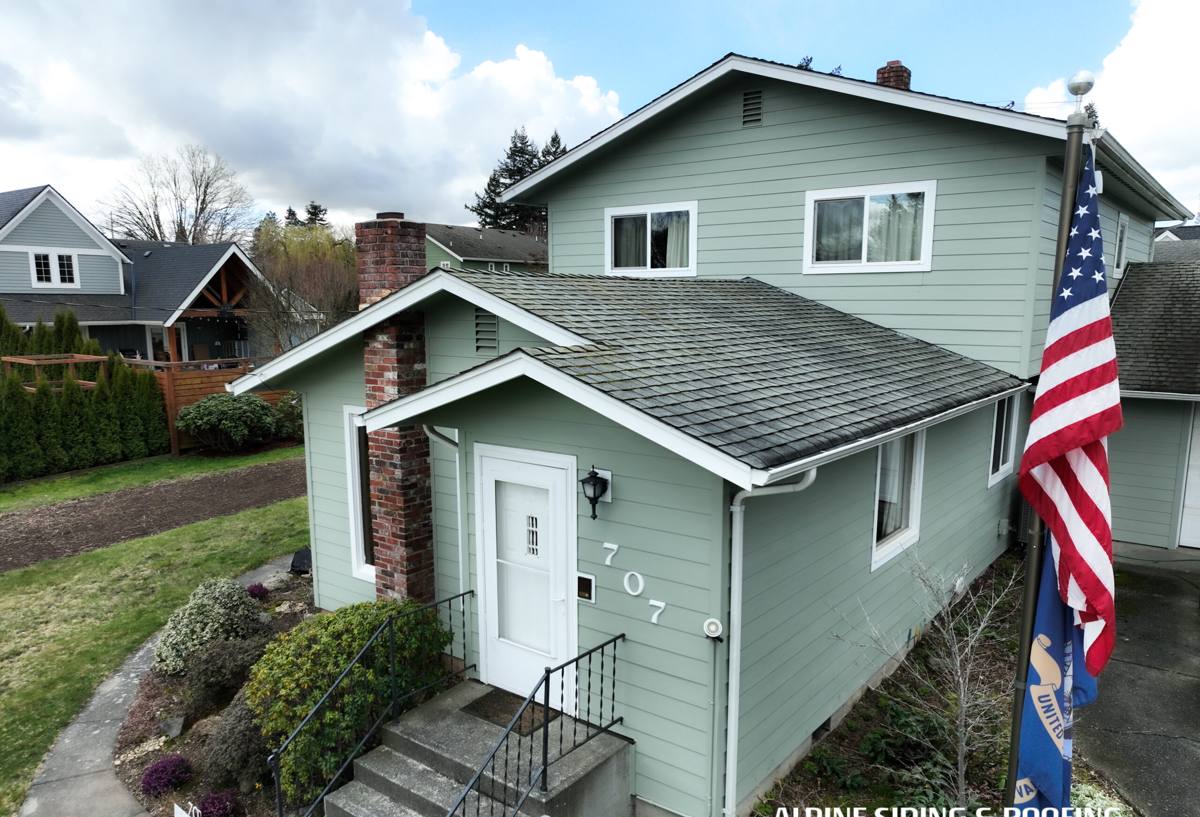
Why We Only Install James Hardie Fiber Cement
This is worth being upfront about: we don't install vinyl, LP SmartSide, Cemplank, Allura, or unfinished wood siding. We install James Hardie fiber cement, exclusively. That's not a marketing position — it's a standard we settled on after weighing what actually holds up in a climate like Bradenton's against what looks fine on day one and starts showing problems five or ten years in.
Non-Combustible by Composition
James Hardie siding is fiber cement — a mix of cement, sand, and cellulose fibers — which means it doesn't burn the way wood-based or vinyl siding products can. That's a meaningful difference in wildfire-adjacent conditions and, more relevantly here, in a state where lightning strikes and electrical fires are a real risk factor for any home.
Engineered for Humid, Storm-Prone Climates
James Hardie manufactures its boards in different formulations depending on the climate zone a home sits in. Homes in Florida use the company's moisture-focused formulation, engineered specifically to resist the swelling, cracking, and moisture intrusion that a humid, storm-prone climate like ours causes in lesser materials. That's a meaningfully different product than what a homeowner further north with freeze-thaw winters would get — and it's part of why "James Hardie siding" isn't a single generic product so much as a system matched to where it's going on the wall.
A Finish and Warranty Built to Last
ColorPlus, James Hardie's factory-applied finish, is baked on and cured before the boards ever reach a job site, which gives it more consistent, longer-lasting color than field-applied paint typically achieves — a real advantage under Florida's UV load. James Hardie also backs its products with a strong, transferable limited warranty, which matters both for how long you plan to own the home and for resale value if you don't.
James Hardie Product Lines That Fit Mill Creek Homes
James Hardie isn't one board — it's a system of products designed to work together, and picking the right combination for a specific home matters as much as the brand decision itself.
- HardiePlank lap siding — the traditional horizontal lap look found on most Mill Creek homes, available in several textures and exposure widths
- HardiePanel vertical siding — a board-and-batten style used as an accent or on an entire elevation for homes with a more modern or coastal-cottage look
- HardieTrim boards — matched trim for corners, window and door surrounds, and fascia, so the whole exterior reads as one finished system rather than mismatched materials
- HardieSoffit panels — vented or non-vented soffit material that resists the same moisture and pest issues as the wall siding
- ColorPlus finishes — a range of factory-baked colors selected for how they hold up under Gulf Coast sun, with matching caulk and touch-up products so future repairs blend in
Which combination makes sense depends on the home's current siding condition, its architectural style, and what the homeowner actually wants it to look like — we walk through those options during the estimate rather than defaulting to one plank style for every house.
How James Hardie Compares to the Alternatives
| Material | Wind & Impact Resistance | Moisture Behavior | Maintenance | Fire Resistance |
|---|---|---|---|---|
| James Hardie fiber cement | Strong when installed to spec; rigid, holds fasteners well | Climate-engineered formulation resists swelling and moisture intrusion | Occasional washing; factory finish, no repainting cycle needed for years | Non-combustible |
| Vinyl siding | Can crack, warp, or blow off in high wind; softens and distorts in intense heat | Sheds water on the surface but seams can allow moisture behind panels | Low, but fades and becomes brittle with UV exposure over time | Combustible; can melt near heat sources |
| LP SmartSide (engineered wood) | Good impact resistance when new | Wood-based core is vulnerable if the factory seal is compromised at cuts or seams | Requires attentive caulking and repainting maintenance to prevent moisture entry | Combustible |
| Unfinished cedar or spruce | Moderate; natural wood movement over time | Absorbs moisture readily without diligent sealing and maintenance | High — regular staining or sealing required to prevent rot and pest damage | Combustible |
What a Correct James Hardie Installation Involves
James Hardie is a durable product, but its long-term performance depends heavily on installation details that are easy to shortcut and hard for a homeowner to spot once the siding is up. A correct install for a Mill Creek home includes:
- A weather-resistant barrier installed correctly behind the siding, with proper overlaps and no gaps at penetrations
- Manufacturer-specified fastener type, spacing, and embedment depth — under-driven or wrong-gauge fasteners are one of the most common causes of early siding failure
- Correct clearance between the bottom of the siding and grade, roof lines, and hard surfaces like patios or driveways, so moisture has nowhere to wick up into the board
- Proper joint and seam treatment, including factory-mitered corners or correctly caulked butt joints using James Hardie-approved sealant
- Flashing integrated correctly around every window, door, and penetration, not just caulk applied over a gap
- Panel and plank fastening patterns that account for wind uplift, sized appropriately for this region's wind exposure requirements
- ColorPlus touch-up products used at any field-cut edges, so cut ends don't become the first place moisture gets in
None of these details are visible from the curb once the job is finished. They're also exactly the things that determine whether a James Hardie installation performs the way the product is designed to for twenty-plus years, or starts developing problems at the fastener points and seams within a few storm seasons.
Our Process for a Mill Creek Siding Project
We start with a walk-around of the home to assess the current siding's condition, check for moisture damage or rot in the sheathing underneath, and look at how the house is oriented relative to sun and prevailing wind. That assessment shapes the product recommendation — plank style, exposure width, color, and any trim or accent details — before we talk through pricing.
Siding work in Manatee County generally requires a permit, and wind-load and fastening specifications have to meet Florida Building Code requirements for this region. We handle that permitting and inspection process as part of the job rather than leaving it to the homeowner to navigate. Once the old siding is removed, we inspect and repair the sheathing and weather barrier underneath before a single new board goes up — covering existing damage with new siding just hides a problem that gets worse behind the wall. From there, installation follows manufacturer specification for fastening, flashing, and clearances, and we finish with a walkthrough covering what maintenance the finished siding actually needs.
Caring for James Hardie Siding After Installation
James Hardie is genuinely low-maintenance compared to most alternatives, but "low-maintenance" isn't "no-maintenance." A little routine attention keeps it performing the way it's designed to:
- Rinse the siding periodically to remove salt residue, pollen, and organic buildup before it dulls the ColorPlus finish
- Keep irrigation heads and sprinklers from spraying directly on the siding, which causes localized staining and unnecessary moisture exposure
- Inspect caulk lines at seams, trim, and penetrations annually, especially after hurricane season, and have any cracked or missing caulk addressed promptly
- Trim landscaping back from the siding so airflow isn't blocked and foliage isn't holding moisture against the surface
- Have any impact damage from storm debris repaired soon after it happens rather than leaving an exposed edge open to moisture
Why It Matters That We Already Work in Mill Creek
A crew that only occasionally works this part of Manatee County can still install James Hardie siding competently, but a neighborhood like Mill Creek has patterns worth knowing before the first board goes up — common home styles and siding profiles in the area, how local permitting and inspection typically go, and what wind exposure and drainage conditions actually look like on these lots rather than in a generic spec sheet. Working here regularly means we're not learning those details on your project.
It also means we're straightforward about what a given home actually needs. Not every Mill Creek house needs the same product mix, the same color strategy, or the same scope of work, and a crew that's spent time in the neighborhood is better positioned to tell you honestly what will hold up here versus what's just an upsell.
Get a Free, No-Pressure Estimate
If your Mill Creek home's siding is aging, damaged, or you're simply planning ahead of the next storm season, we're glad to walk the property with you and lay out what James Hardie siding would actually involve — product options, realistic cost factors, and a straight answer about what your home needs. Reach out below for a free, no-pressure estimate.