 Bradenton
 Building a Deck That Actually Holds Up in Mill Creek
Mill Creek homeowners ask for decks for the same reasons anyone in Bradenton does — more usable outdoor space, a place to grill, a spot to watch the yard in the evening. But a deck built for this part of Manatee County has to do more work than a deck in a drier, milder climate. It has to shrug off hurricane-force wind loads, survive months of intense UV without turning brittle or gray, shed wind-driven rain without trapping water in the frame, and resist the slow corrosion that salt-tinged air causes on anything metal. A deck that isn't built with those realities in mind doesn't fail dramatically — it fails slowly, with soft boards, rusted fasteners, and a structure that starts to feel loose underfoot two or three years in.
Our approach for Mill Creek starts with the assumption that this deck will spend its life outdoors in Florida, not in a catalog photo. That changes which materials we recommend, how we frame the substructure, and what fasteners and hardware go into the build.
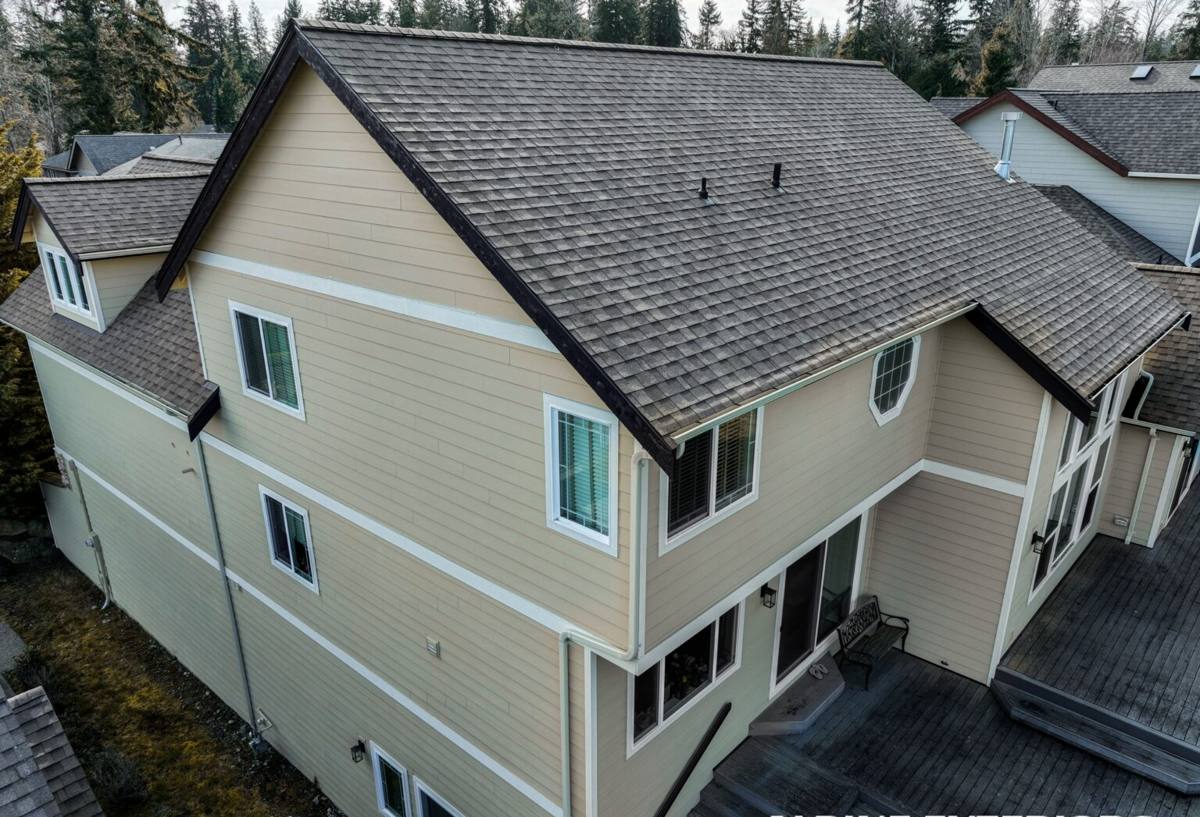
What Mill Creek's Climate Actually Does to a Deck
Heat and UV
Bradenton gets sun exposure nearly every day of the year. On composite decking, sustained UV exposure without adequate fade and heat resistance leads to surface chalking and color loss over time. On wood, it dries and cracks the surface fibers, which is why an unsealed or poorly maintained wood deck in this area ages faster than the same deck would somewhere with a real winter.
Wind-Driven Rain and Humidity
Rain here rarely falls straight down. Wind pushes it sideways and up under boards, into ledger connections, and into any gap in the framing. Combined with Manatee County's humidity, that moisture doesn't evaporate quickly. Framing that isn't properly flashed, sloped, and ventilated stays damp long after the storm passes, which is the single biggest driver of rot and hidden structural damage on decks in this area.
Salt Air
Mill Creek isn't oceanfront, but Bradenton's proximity to the Gulf means salt-laden air moves inland regularly. Standard fasteners and connectors corrode faster here than the same hardware would inland in a drier state. Once a fastener starts rusting, it weakens exactly where the deck depends on it most — at the connections.
Hurricane-Force Wind Loads
Florida Building Code sets minimum wind load and connection requirements for a reason. A deck attached to the house needs a ledger connection, post bases, and joist hangers rated to resist uplift and lateral loads, not just support the weight of people standing on it. This is the part of a deck build that's invisible once it's finished — and the part that matters most when a storm comes through.
What a Correctly Built Deck for This Area Involves
Framing and Structure
We build the substructure to resist both gravity loads and wind uplift, with hardware rated for coastal or near-coastal exposure — stainless or heavy hot-dip galvanized fasteners, proper joist hangers, and post bases that keep wood off standing water. Ledger board attachment to the house gets flashed correctly so water is directed away from the band joist rather than into it, which is one of the most commonly skipped steps on lower-quality builds.
Decking Material Selection
We'll walk through the honest trade-offs between wood and composite for your specific use of the space, budget, and maintenance appetite — covered in the comparison below.
Drainage and Ventilation
Decks need airflow underneath to dry out after rain. We grade and space framing to avoid low spots where water pools against wood, and we keep skirting (if used) vented rather than sealed tight to the ground.
Fastener and Hardware Strategy
Every exposed fastener is chosen for corrosion resistance appropriate to this environment, not just cost. Hidden fastener systems, where used, still need to be rated for outdoor structural use — not a picture-frame-grade clip.
Code Compliance and Permitting
Manatee County requires permits and inspections for most deck construction, including specific attachment and railing requirements. We handle the permitting process as part of the job so the finished deck is inspected and documented correctly, not something that becomes a problem at resale.
Wood vs. Composite Decking: An Honest Comparison
There's no universally "right" answer — it depends on how much maintenance you want to do and how the deck will be used.
| Factor | Pressure-Treated Wood | Composite |
|---|---|---|
| Upfront cost | Lower | Higher |
| Maintenance | Periodic sealing/staining needed to resist UV and moisture | Minimal — occasional washing |
| Heat underfoot | Stays cooler in direct sun | Can get noticeably hot in full-sun exposure |
| Fade/color change over time | Grays without maintenance | Some fade even with UV-stabilized products; varies by brand and color |
| Lifespan with proper care | Long, but maintenance-dependent | Long, more consistent regardless of upkeep |
| Repair/replacement of individual boards | Straightforward | Depends on fastening system used |
We install both, and we'll tell you plainly which one fits your situation rather than pushing whichever has a better margin. If you want the lowest-maintenance option and don't mind the higher upfront cost, composite is usually the better long-term fit in this climate. If you're comfortable with periodic sealing and want a lower entry cost, quality pressure-treated wood, installed and maintained correctly, holds up fine here too.
Our Process for Mill Creek Deck Projects
- On-site assessment — we look at your yard's drainage, sun exposure, existing structure (for replacements), and how you want to use the space.
- Design and material selection — layout, decking material, railing style, and any features like built-in seating or stairs, matched to your budget.
- Permitting — we prepare and submit what Manatee County requires and schedule inspections.
- Site prep and framing — footings, posts, ledger attachment, and structural framing built to code and to this climate's demands.
- Decking, railing, and finish work — installation of the decking material, railings, stairs, and any lighting or trim.
- Final walkthrough — we go over the finished deck with you, including any maintenance recommendations specific to the material you chose.
Why a Crew That Already Works in Mill Creek Matters
A deck built by a crew unfamiliar with Manatee County's permitting requirements, flood zone considerations, and coastal-adjacent climate demands is more likely to cut corners it doesn't know are corners — using standard interior-grade fasteners, skipping proper ledger flashing, or under-speccing hardware for wind loads. A crew that regularly works in and around Bradenton knows what inspectors look for locally, which materials actually perform here versus on paper, and how to frame a deck so it survives its first real storm season, not just the first dry summer.
Signs an Existing Deck Needs Attention
- Boards that feel spongy, soft, or spring back slowly when you step on them
- Visible rust staining around fasteners or hardware
- Gaps or movement at the ledger board where the deck meets the house
- Railings that wobble or flex more than they used to
- Standing water or slow-draining spots after rain
- Cracked, splintering, or graying wood that hasn't been sealed in several years
Any of these are worth a professional look before they turn into a bigger repair — or a safety issue.
What Affects the Cost of a Deck Build
| Factor | Why It Matters |
|---|---|
| Size and footprint | More square footage means more framing, decking, and footings |
| Decking material | Composite generally costs more upfront than pressure-treated wood |
| Height and grade change | Taller decks need more substantial posts, stairs, and railings |
| Railing style | Cable, glass, or custom railings cost more than standard baluster railings |
| Site access | Difficult yard access can add labor time |
| Permitting complexity | Attached decks, flood zone considerations, and setbacks can affect scope |
We give straightforward pricing during the estimate based on your specific yard and goals — not a generic per-square-foot number that ignores the details that actually drive cost.
Maintaining Your Deck Once It's Built
Whatever material you choose, a little regular attention goes a long way in this climate. Wood decks benefit from a fresh seal or stain every year or two, more often in full-sun spots. Composite decks mainly need periodic washing to keep debris and mildew from building up in the grain texture. Either way, keeping gutters and downspouts directing water away from the deck area, and clearing leaves and debris from between boards, helps prevent the moisture buildup that causes most of the long-term damage we see.
If you're planning a new deck or need an existing one evaluated, we're happy to come take a look and give you a straightforward, no-pressure estimate. Use the form below to get started.