 Bradenton
 Asphalt Shingle Roofing Built for Mill Creek's Climate
Mill Creek homes sit inland from the coast, but that doesn't mean the roof gets an easy life. Manatee County still delivers the full package: tropical storm and hurricane-force wind gusts, months of intense subtropical UV, wind-driven rain that finds every weak seam, and a steady drift of salt air off Tampa Bay and the Gulf that corrodes fasteners and flashing faster than most homeowners expect. An asphalt shingle roof that's installed correctly can handle all of it for decades. One that's installed with shortcuts will show problems in years, not decades — granule loss, curling shingles, nail pops, and leaks around penetrations that never should have happened.
We work on roofs throughout Bradenton and the surrounding Mill Creek area regularly, which means we're not guessing at what this neighborhood's roofs are up against. We see the same failure patterns repeat on the same types of homes, and we build our installations to address them from the start rather than patch them later.
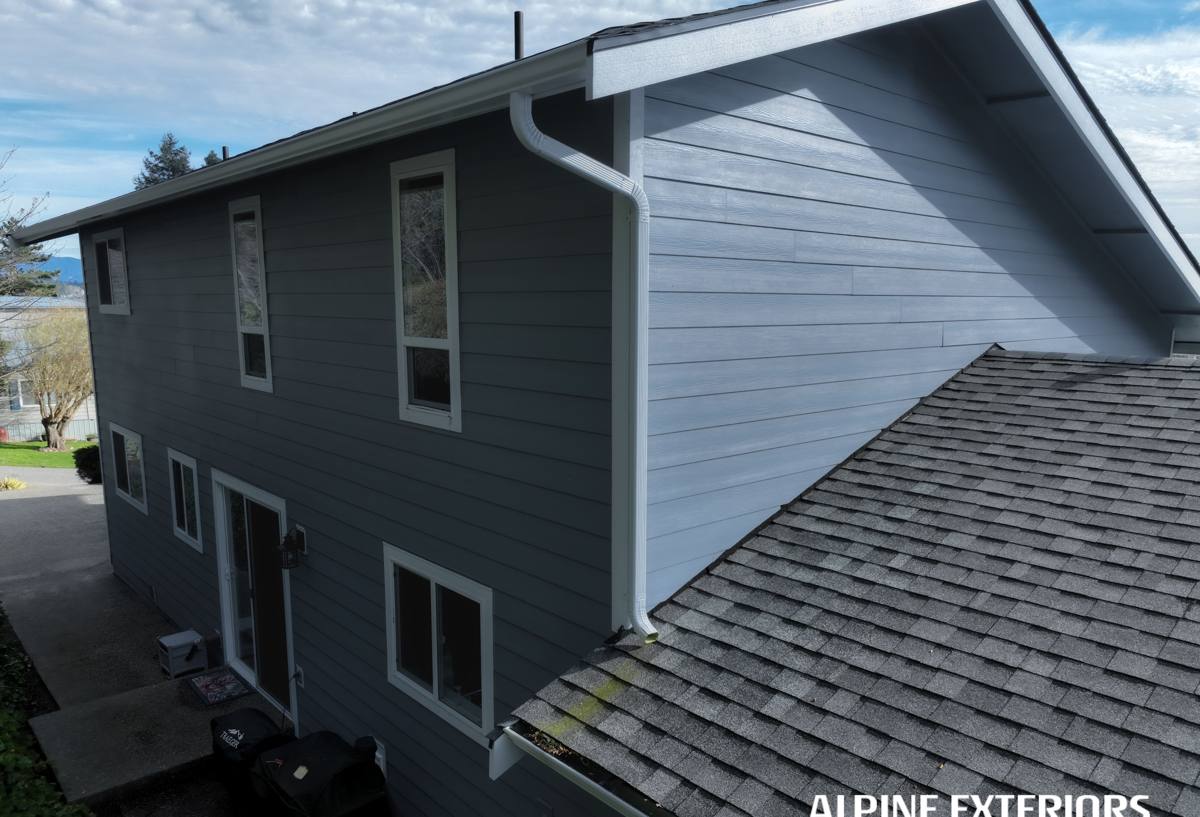
What Mill Creek Roofs Actually Deal With
Wind Uplift
Florida's building code requires roofing systems in this region to be rated for high wind uplift, and for good reason. During tropical storms and hurricanes, wind doesn't just push on a roof — it creates negative pressure that tries to pull shingles up and off, starting at edges, ridges, and corners. A roof that meets code on paper but was installed with inconsistent nailing patterns, wrong nail placement, or missed starter strips can still fail in exactly those spots.
UV Exposure
Central Florida sun is relentless nearly year-round. UV breaks down the asphalt in shingles over time, causing the protective granules to loosen and shed. Once granule loss gets significant, the shingle beneath is exposed directly to sun and moisture, and the aging process accelerates. Lighter shingle colors and proper attic ventilation both slow this process; dark colors on a poorly ventilated attic speed it up considerably.
Wind-Driven Rain
Rain that falls straight down is rarely the problem. Rain that's being pushed sideways by 40-60 mph gusts is what gets under shingle tabs, around vent boots, and behind flashing that isn't sealed and lapped correctly. This is where most "mystery leaks" after a storm actually originate — not from missing shingles, but from water finding a path through details that were never properly sealed.
Salt Air Corrosion
Bradenton's proximity to the Gulf and Tampa Bay means salt-laden air travels further inland than people assume, and it doesn't discriminate by neighborhood. Salt exposure accelerates corrosion on exposed metal — nail heads, drip edge, flashing, and vent stacks. Using corrosion-resistant fasteners and flashing materials matters more here than it would in an inland state, and it's a detail that's easy to skip if a crew is trying to save time or money on materials.
What a Correct Asphalt Shingle Installation Involves
Asphalt shingle roofing looks simple from the ground, and the shingles themselves get most of the attention. In practice, the shingles are only one part of a system, and the parts underneath and around them are what determine whether the roof performs in a real storm.
- Deck inspection and repair: Any soft, delaminated, or water-damaged decking gets replaced before a single shingle goes down. Fastening shingles over a compromised deck is a warranty and safety problem waiting to surface.
- Underlayment: A synthetic or self-adhering underlayment provides the actual water barrier beneath the shingles. This layer matters more during wind-driven rain events than most homeowners realize — it's the backup when wind gets under a shingle edge.
- Starter strips and drip edge: Properly installed starter shingles and metal drip edge at eaves and rakes are one of the most common places wind uplift begins when they're skipped or installed incorrectly.
- Nailing pattern: Correct nail count, placement, and penetration depth — matched to the wind zone and manufacturer specification — is what actually gives a shingle roof its wind rating. This is invisible once the roof is done, which is exactly why it's worth asking about before work starts.
- Flashing at penetrations and transitions: Vent stacks, chimneys, skylights, and roof-to-wall transitions are where the majority of leaks originate on any roof. Proper step flashing, counter-flashing, and sealed boots are non-negotiable details.
- Attic ventilation: Balanced intake and exhaust ventilation keeps attic temperatures and moisture in check, which extends shingle life and helps prevent deck rot from the underside.
Choosing Materials That Fit the Climate
Not every asphalt shingle product is a good match for what Manatee County weather delivers. We steer clients toward shingles with documented high-wind ratings appropriate for this wind zone, and we're upfront about the trade-offs between product lines rather than just selling whatever has the best margin.
| Factor | What to Look For | Why It Matters Here |
|---|---|---|
| Wind rating | Rated for the applicable Florida wind zone, installed per manufacturer spec | Hurricane and tropical storm gusts are a recurring reality, not a rare event |
| Algae resistance | Shingles with algae-resistant granules | Florida's heat and humidity encourage algae streaking faster than drier climates |
| Warranty structure | Understand what's prorated vs. non-prorated, and what voids it | Improper installation is the most common reason a shingle warranty gets denied |
| Color | Lighter colors reflect more heat | Reduces attic heat gain and slows UV-driven aging somewhat |
| Fastener and flashing metal | Corrosion-resistant fasteners and flashing | Salt air accelerates rust on standard-grade metal |
Our Process for Mill Creek Homeowners
- On-site inspection: We walk the roof and attic, not just look from the ground, to assess deck condition, ventilation, flashing, and current shingle wear.
- Honest scope and estimate: We explain what's actually needed — repair versus full replacement — and why, along with a written estimate that spells out materials and scope.
- Permitting: Roofing work in Manatee County requires permitting and inspection. We handle this as part of the job rather than treating it as optional paperwork.
- Tear-off and deck prep: Old roofing is removed down to the deck so we can actually see what we're working with, and any deck repairs are done before underlayment goes down.
- Installation: Underlayment, starter strips, shingles, flashing, and ventilation components installed to manufacturer and code specification, with attention to the wind-uplift details that matter most in this area.
- Final walkthrough: We review the completed work with the homeowner and make sure everything, including cleanup, is done right before we consider the job finished.
Repair, Recover, or Replace?
Not every roof problem means a full replacement, and we don't default to recommending one. The right call depends on the roof's age, how widespread the damage is, and what condition the decking is in underneath.
- Repair makes sense for isolated damage — a section of missing shingles after a storm, a single failed flashing point, or localized granule loss — on a roof that's otherwise in good shape and not near the end of its service life.
- Full replacement is the right move when a roof is at or past its expected lifespan, has widespread wind or UV damage, or has underlying deck issues that repairs can't address.
- A roof that's been patched repeatedly is often signaling that replacement, rather than another repair, is the more cost-effective path forward.
We'll tell you honestly which category your roof falls into, including when a repair is genuinely the better choice financially — that's a conversation, not a sales pitch.
Why Local Experience in Mill Creek Matters
A roofing crew that regularly works in and around Bradenton understands the practical realities of this area: the wind zone requirements that apply to Manatee County, the permitting process with the local building department, and the specific way homes here age under sun, humidity, and salt exposure. That's different from a crew passing through from another market who may not be familiar with local code requirements or the climate conditions that shorten a roof's life here.
Being local also means accountability. If a question comes up after the job — about a warranty detail, a minor issue after a storm, or general maintenance — you're working with a crew that's still nearby and reachable, not one that's moved on to the next state.
Simple Maintenance That Extends Roof Life
- Have the roof visually inspected after any major storm, even if there's no obvious damage from the ground.
- Keep gutters and valleys clear of debris so water isn't pooling or backing up under shingles.
- Trim back overhanging branches that can abrade shingles in high wind or drop debris during storms.
- Watch for granules collecting in gutters, which can signal accelerating shingle wear.
- Address small leaks or missing shingles promptly rather than waiting — small problems on a roof rarely stay small.
If you're in Mill Creek and thinking about a roof repair or replacement, we're happy to take a look and give you a straight answer — no pressure, no upsell. Use the form below to request a free estimate.