 Bradenton
 Why Metal Roofing Fits Whitfield Estates
Whitfield Estates is an established, tree-shaded residential community close to the water on the Bradenton–Sarasota line, and that location cuts both ways. The mature canopy and proximity to the bay make it a genuinely pleasant place to live, but it also means roofs here take on more than a typical inland property. Hurricane-force wind gusts, near-constant UV exposure, wind-driven rain, and salt-laden air off the water all work on a roof at the same time, year after year. Asphalt shingles wear out relatively fast under that combination. A correctly installed metal roof, by contrast, is built to shed wind, reflect heat, and resist the kind of edge and fastener failures that cause most storm damage — which is why we get more calls about it in this neighborhood than almost anywhere else we work in Manatee County.
This page is specifically about metal roofing for homes in Whitfield Estates — not a general metal roofing overview. We've tried to cover what actually matters for a roof going on a house in this particular part of the county.
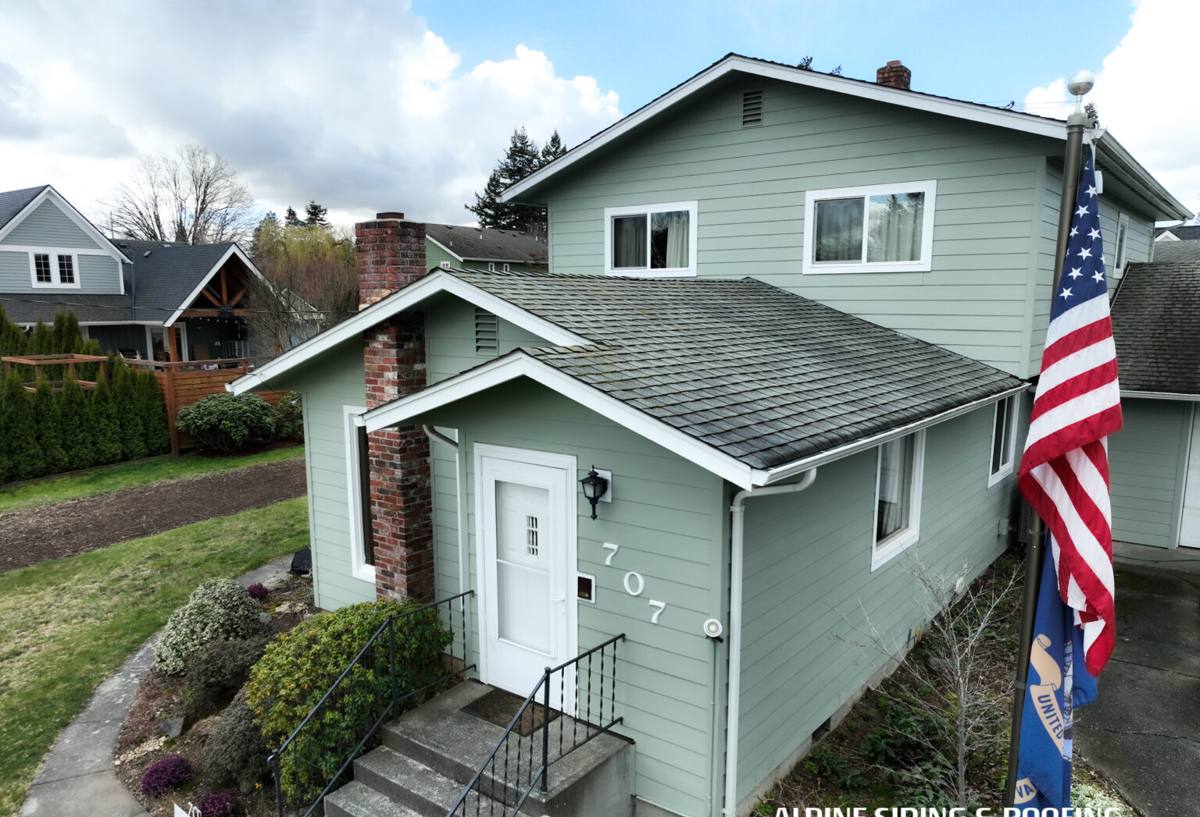
What Whitfield Estates Roofs Are Up Against
Three things drive almost every roofing decision we make out here:
Wind
Manatee County sits in a wind-borne debris region under Florida's building code, and homes near the water get the fuller effect of any tropical system that comes through. A roof's wind performance isn't really about the panel material — it's about the fastening pattern, the underlayment, and how the edges and penetrations are detailed. That's where most roof failures actually start.
UV and heat
Florida sun is relentless on roofing materials. Dark asphalt shingles absorb heat all day and degrade from the top down; a reflective metal roof with the right coating stays noticeably cooler and doesn't break down the same way under UV.
Salt air
Homes closer to Sarasota Bay deal with airborne salt that accelerates corrosion on anything metal — fasteners, flashing, gutters, HVAC housings, and the roof itself if the wrong alloy or coating is used. This is the factor most out-of-area contractors underestimate, because it doesn't show up as a problem for a few years — then it shows up everywhere at once.
What a Correct Metal Roof Installation Actually Involves
A metal roof is only as good as what's underneath it and how it's attached. The panels get the attention, but the parts nobody sees are what determine whether the roof holds up in a storm or starts leaking in year six.
- Deck inspection and repair — any soft, delaminated, or water-damaged decking gets replaced before anything else goes down. Installing over a compromised deck is a guaranteed callback.
- Self-adhering underlayment — a high-temperature, self-sealing underlayment (not felt paper) that seals around fastener penetrations and gives a second line of defense against wind-driven rain.
- Correct fastening pattern — spacing and fastener type matched to the panel profile and the wind uplift rating required for the site, not a generic pattern used everywhere.
- Flashing at every transition — valleys, penetrations, wall abutments, and eaves are where leaks actually start on a metal roof. Flashing detail work matters more than the field panels.
- Ventilation — a metal roof that traps heat and moisture in the attic will cause problems regardless of how well the panels are installed. Ridge and soffit ventilation need to work together.
- Compatible fasteners and metals — mixing incompatible metals (steel fasteners on aluminum panels, for example) sets up galvanic corrosion that's accelerated by salt air. This is a common shortcut we specifically avoid.
Choosing the Right Panel Type
Not every metal roofing product is a good fit for a coastal Manatee County property. Here's how the common options compare for a home in this area:
| Panel Type | Wind & Storm Performance | Coastal Suitability | Typical Look |
|---|---|---|---|
| Standing seam | Excellent — concealed fasteners, high uplift ratings | Best option for salt-air exposure with the right finish | Clean vertical lines, modern or traditional |
| Exposed-fastener panel | Good, but fastener seals are the weak point over time | Requires more maintenance near the water | Ag-panel or ribbed look |
| Metal shingle/tile profile | Very good when installed correctly | Good, depending on coating | Mimics shingle or tile, less "metal" appearance |
For most Whitfield Estates homes, we lean toward standing seam because the concealed fastener system removes the most common long-term failure point — exposed screws working loose or their washers degrading in the sun and salt. It costs more upfront than an exposed-fastener panel, but for a coastal property it tends to be the more honest long-term choice.
Salt Air, Corrosion, and Metal Choices
Not all metal roofing is created equal once salt air enters the picture. Bare or lightly coated steel will corrode faster this close to the water. We generally recommend either aluminum, which doesn't rust, or a properly coated galvalume steel panel with a marine-grade finish rated for coastal exposure. This isn't a marketing distinction — it's the difference between a roof that still looks and performs like new in fifteen years and one that's showing rust streaks at the fastener heads in five.
The same logic applies to every accessory: ridge caps, valley flashing, screws, and closures should all be specified for coastal use, not whatever's cheapest at the supply house. A roof is a system, and salt air finds the weakest link in it.
Our Process for Whitfield Estates Projects
- On-site assessment — we inspect the existing roof, deck condition, ventilation, and any storm or moisture history before recommending a system.
- Honest scope and options — we walk through panel type, coating, and budget trade-offs in plain terms, including where a lower-cost option is a reasonable choice and where it isn't.
- Permitting — metal roof replacements require a permit through Manatee County; we handle that as part of the job.
- Tear-off and deck repair — old roofing removed, decking inspected, and any damaged sections replaced before underlayment goes down.
- Installation — underlayment, flashing, and panels installed to the fastening and detailing standards above, not shortcuts.
- Final walkthrough — we go over the finished roof with the homeowner and clean the property before we leave.
Keeping a Metal Roof in Shape: Maintenance Checklist
Metal roofing needs far less maintenance than shingles, but "none" isn't accurate — especially this close to the water. A short annual routine catches small issues before they become expensive ones:
- Rinse accumulated salt residue and debris off the roof surface once or twice a year, especially after dry spells with onshore wind
- Clear leaves and debris from valleys and around penetrations so water doesn't pool
- Check exposed fasteners (if applicable) for loosening or washer wear
- Inspect flashing at walls, chimneys, and skylights for gaps after major storms
- Keep gutters clear so water isn't backing up under the drip edge
- Have the roof looked at after any named storm, even if there's no visible damage from the ground
Why a Local Crew Matters for This Neighborhood
A metal roof installed correctly for a home in an inland Florida county isn't automatically the right spec for a home sitting close to Sarasota Bay in Whitfield Estates. Fastener grade, coating choice, flashing detail, and even the recommended maintenance schedule all shift once salt air and storm exposure are part of the equation. A crew that regularly works this specific area already knows the wind zone requirements, the permitting process with the county, and which products actually hold up here versus which ones look fine on a spec sheet and disappoint five years in. That familiarity shows up in fewer callbacks and fewer surprises — not in anything flashy, just in the details being right the first time.
Cost Factors Homeowners Should Understand
Metal roofing costs more upfront than asphalt shingles, and the range for a given home depends on several factors rather than a single number:
| Factor | Effect on Cost |
|---|---|
| Panel type (exposed-fastener vs. standing seam) | Standing seam generally costs more due to labor and materials |
| Roof complexity (valleys, dormers, penetrations) | More cuts and flashing detail add labor time |
| Deck condition | Rot or delamination found during tear-off adds repair cost |
| Coating and gauge | Coastal-grade finishes and heavier gauge metal cost more but last longer |
| Roof pitch and access | Steeper or harder-to-access roofs increase labor cost |
Because of these variables, we don't quote a metal roof over the phone — an accurate number requires seeing the actual roof. What we can say honestly is that a metal roof is a long-term investment: it costs more than shingles going in, but it typically outlasts two or more shingle roof replacements over its lifespan, with lower maintenance and better storm performance along the way.
If you're weighing a metal roof for your Whitfield Estates home, we're glad to come take a look and walk you through your options — no pressure, no obligation. Fill out the form below and we'll set up a free estimate.