 Bradenton
 Longboat Key Is a Different Siding Job Than Most of Florida
Longboat Key sits on a barrier island, with most homes facing open water, the Gulf, or the Intracoastal on at least one side. That location is beautiful and it is also the harshest siding environment in the Bradenton and Manatee County area. Salt-laden air moves through the neighborhood constantly, not just during storms. Add in direct, near-daily UV exposure, wind-driven rain, and the tropical humidity that never really lets up, and you have a combination that wears down building materials faster than almost anywhere else on Florida's Gulf Coast.
We install James Hardie fiber cement siding exclusively, and Longboat Key is exactly the kind of project that explains why. This page covers what island homes actually need from their siding, what a correct installation looks like, and how our process works when we take on a job here.
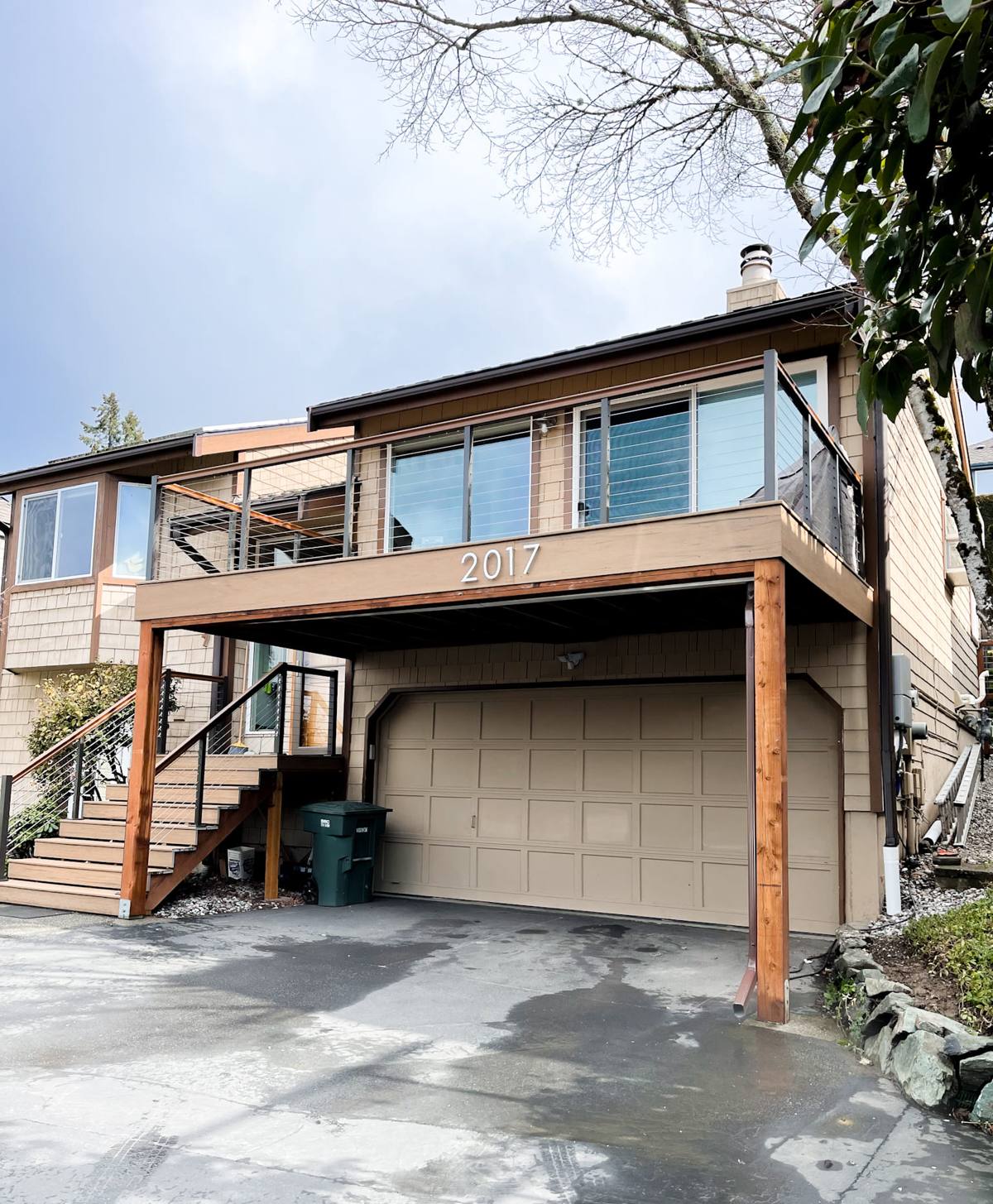
What Salt Air and Coastal Wind Do to Siding Over Time
Salt doesn't just sit on the surface of a home and rinse off in the rain. It gets carried on the wind, settles into seams, fasteners, and trim joints, and stays there working on the material and hardware underneath. Combine that with the sun exposure Longboat Key gets nearly every day of the year, and siding is under constant stress from three directions at once:
- Salt corrosion — attacks exposed fasteners, metal trim, and any seam where moisture can collect and linger
- UV degradation — breaks down pigments and surface coatings, leading to fading, chalking, and brittleness in lower-grade materials
- Wind and wind-driven rain — tests every joint, fastening pattern, and piece of flashing on the house, and finds the weak ones first
Materials that hold up fine forty miles inland can fail early on a barrier island. That's the reason we've standardized on one product system rather than offering several tiers, because the trade-offs of the cheaper options show up faster here than almost anywhere in Manatee County.
Why We Only Install James Hardie on Island Homes
James Hardie fiber cement is engineered specifically for climates like this one. It's non-combustible, resists moisture-driven swelling and rot far better than wood-based products, and holds its factory-applied ColorPlus finish through years of UV and salt exposure instead of relying on a field-applied paint job that starts breaking down on day one. Hardie also builds a version of its product line, the HZ5 formulation, specifically engineered for high-humidity, high-moisture climate zones — which is exactly the zone Longboat Key sits in.
We don't install LP SmartSide, vinyl, Cemplank, Allura, or unfinished wood siding, and on a project like this the reasons are concrete rather than theoretical:
- Vinyl softens, warps, and can crack under sustained heat and wind load, and it has no real defense against salt pitting on hardware
- Wood-based composite products depend on keeping moisture out perfectly, forever — one failed seam near the water and the clock starts on rot
- Unfinished or field-painted products need repainting on a cycle that gets more frequent, not less, this close to the coast
Hardie's fiber cement composition and factory finish are built to handle exactly this kind of exposure without those maintenance traps, which is why it's the only product we put our name behind.
What a Correct Hardie Installation Involves Here
Substrate and moisture management
On a coastal home, what's behind the siding matters as much as the siding itself. We check and correct house wrap, flashing, and weep paths before a single board goes up, because fiber cement siding installed over a compromised moisture barrier will fail regardless of the product's own durability. This step gets skipped more often than homeowners realize, and it's the single biggest cause of early siding problems on barrier island homes.
Fastening and clearances
James Hardie publishes specific fastening patterns, clearances from grade, and clearances from roof lines, decks, and other siding terminations. In a high-wind coastal zone, those specs aren't optional extras — they're what keeps panels attached and sealed during the wind events this area gets. We follow Hardie's published fastening schedules and use corrosion-resistant fasteners rated for coastal applications, not standard hardware that will start rusting within a season or two of salt exposure.
Joints, caulking, and finish details
Every horizontal joint, corner, and penetration is a potential entry point for wind-driven rain. We treat joint sealing and trim work as a system, not an afterthought, using products rated for the movement and moisture cycling a coastal home goes through. This is also where ColorPlus prefinished boards earn their keep — factory-cured finish holds color and seals better long-term than field-applied paint, especially in a location where the sun and salt are working against it every day.
Our Process, Start to Finish
- On-site assessment — we look at your current siding, trim, moisture barrier condition, and any problem areas specific to your home's exposure
- Detailed estimate — a written scope covering product line, color, trim details, and what the substrate work will involve
- Substrate correction — house wrap, flashing, and any water-damaged sheathing addressed before installation begins
- Installation to Hardie's coastal specifications — correct fastening, clearances, and joint treatment throughout
- Final walkthrough — we go over the finished work with you and confirm everything meets spec before we call the job done
How Hardie Compares to Other Siding Options in This Climate
| Factor | James Hardie Fiber Cement | Vinyl | Wood-Based Composite |
|---|---|---|---|
| Salt air resistance | Engineered for humid coastal zones (HZ5) | No degradation resistance for hardware or seams | Vulnerable if moisture gets behind panels |
| UV/color stability | Factory ColorPlus finish, long fade resistance | Fades and can become brittle over time | Depends on field-applied paint upkeep |
| Wind performance | Rated systems with published fastening specs | Can deform or blow off in sustained high wind | Performance varies with product and installation |
| Moisture/rot risk | Non-combustible, doesn't rot | Low rot risk but traps moisture behind panels | Higher — core materials can swell or rot |
| Maintenance cycle | Occasional wash, no repainting needed with ColorPlus | Low maintenance but limited lifespan in harsh sun | Regular repainting/resealing required |
What Drives Cost on a Longboat Key Siding Project
Every home is different, but a few factors consistently move the price on island jobs more than they would inland:
| Factor | Why It Matters Here |
|---|---|
| Substrate condition | Coastal moisture exposure means more homes need house wrap or sheathing repair before siding goes on |
| Home access | Waterfront lots and tighter island properties can affect staging and equipment access |
| Trim and detail complexity | More corners, window trim, and transitions mean more joint and flashing work |
| Product line and profile | Board width, texture, and color selection within the Hardie lineup affect material cost |
| Removal of existing siding | Full tear-off versus reside affects labor scope significantly |
We give a firm, itemized estimate after seeing the home in person rather than a rough number over the phone, because on coastal properties the substrate condition often matters more than the square footage.
Maintaining Hardie Siding in a Salt-Air Environment
Fiber cement siding is low-maintenance, not no-maintenance, especially this close to the water. A short seasonal routine keeps it performing the way it's designed to:
- Rinse the exterior periodically to clear accumulated salt residue, particularly on Gulf-facing walls
- Inspect caulking at trim joints and penetrations once a year and have any cracked or shrunk sealant redone promptly
- Check fastener heads and metal trim for early signs of corrosion after storm season
- Keep irrigation heads and sprinklers from spraying directly on siding, which accelerates mineral and moisture buildup
- Have a professional look at flashing and joints after any major wind event
Why a Crew That Already Works This Island Matters
Longboat Key isn't a typical suburban siding job. Homes here deal with wind and moisture conditions that are more extreme than most of Manatee County, and the correct installation details — fastening patterns, clearances, joint treatment — are the difference between siding that holds up for decades and siding that needs attention again in a few years. A crew that regularly works this stretch of coast already understands the exposure levels specific to island homes, how local wind and flood zone conditions factor into the work, and what corners genuinely cannot be cut here. That local, repeated experience is worth more than a generic siding install, and it's part of why we've built our business around doing one product system correctly rather than several products at varying levels of care.
If you're weighing a siding project for a Longboat Key home, we're happy to take a look and give you a straightforward, no-pressure estimate — no invented urgency, just an honest read on your home's condition and what it actually needs. Use the form below to get started.