 Bradenton
 Deck Building Built for How Lakewood Ranch Actually Lives Outside
Lakewood Ranch has grown into one of the larger planned communities in the Bradenton area, and a lot of that growth means backyards that were originally just sod and a patio slab are getting decks added years after the home was built. That's a different job than building a deck alongside new construction. It means tying into existing grading, working around established landscaping and irrigation, and matching a look that fits a neighborhood that's often more design-conscious than older, unrestricted lots elsewhere in Manatee County.
We're a Bradenton-based crew, and Lakewood Ranch is regular territory for us — not a once-in-a-while trip. That matters more than it sounds like it should, because deck work here isn't just carpentry. It's carpentry that has to survive hurricane-force wind loads, months of intense UV exposure, wind-driven rain that finds every gap in a poorly built ledger connection, and the general salt-laden humidity that moves inland off the Gulf and settles into everything metal or untreated. A deck that would hold up fine in a drier, calmer climate can start failing here in a few seasons if it wasn't built with this environment in mind from the framing up.
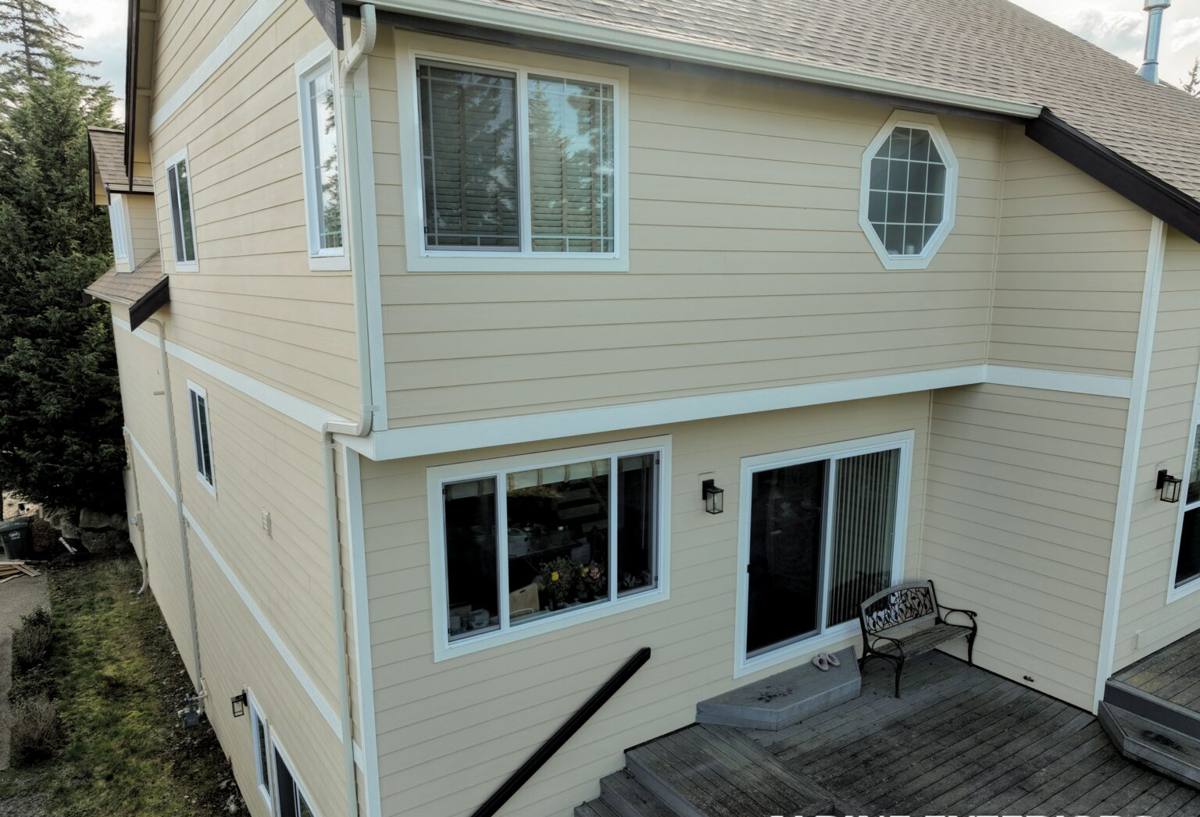
What Lakewood Ranch's Climate Actually Does to a Deck
Lakewood Ranch sits a bit further inland than beachfront Bradenton, so it isn't getting direct salt spray the way a waterfront deck on Anna Maria Island would. That's a real difference and it's worth being honest about — corrosion pressure on fasteners and hardware here is generally less severe than right on the coast. But "less" isn't "none," and the other stressors are just as present here as anywhere in Manatee County:
- UV exposure: Florida sun is intense nearly year-round, and it breaks down wood fibers, fades stains, and degrades lower-quality composite decking faster than most homeowners expect.
- Wind-driven rain: Summer storms and hurricane-season systems don't just drop rain straight down — they drive it sideways into ledger boards, fastener heads, and any seam that isn't properly flashed.
- Humidity and moisture cycling: Wood swells and shrinks with Florida's humidity swings, which is what loosens fasteners and opens gaps over time if the wrong hardware or spacing was used.
- Hurricane-force wind loads: Even inland communities like Lakewood Ranch see serious wind events. A deck's connection to the house and its footing depth matter just as much here as they do closer to the coast.
None of this means a deck in Lakewood Ranch has to be over-engineered or unusually expensive. It means the details that don't show — the flashing, the fastener grade, the footing depth, the ledger attachment — have to be done right the first time, because they're expensive and disruptive to fix once decking boards are down.
Matching the Neighborhood Without Overbuilding
A lot of Lakewood Ranch is HOA-governed, with design guidelines that can dictate things like railing style, decking color, and how visible structures are from the street or a shared pond view. We don't have access to every community's specific rules — those vary from one village or association to the next — but we build with that reality in mind: clean sightlines, neutral and approved-adjacent color palettes, and railing details that read as intentional rather than as an afterthought bolted onto the back of the house.
If your community requires HOA approval before construction, we can provide the drawings and material specs you'll need to submit, and we'll build to whatever gets approved. Skipping that step, or assuming your project is too small to need it, is one of the more common ways a homeowner ends up with a deck they have to modify after the fact.
Common Reasons Lakewood Ranch Homeowners Add a Deck
- Extending outdoor living space off a lanai or sliding door that currently opens onto plain concrete
- Creating a transition between the house and a pool, paver patio, or yard that sits at a different grade
- Adding elevated outdoor space where the lot slopes or where flood-zone finished-floor elevation leaves the ground level low
- Replacing an older, undersized deck that no longer fits how the household uses the yard
Choosing a Decking Material That Fits This Climate
There's no single "best" decking material — there's a best material for your budget, your maintenance tolerance, and how much direct sun and rain the deck will actually see. Here's how the common options compare for a Manatee County backyard:
| Material | Upfront Cost | Maintenance | How It Handles Florida Sun & Moisture |
|---|---|---|---|
| Pressure-treated pine | Lowest | Annual sealing/staining recommended | Prone to graying, splintering, and warping without regular upkeep; needs correct fastener spacing to handle humidity swings |
| Tropical hardwood (e.g., ipe) | High | Periodic oiling to maintain color, or allow natural graying | Naturally dense and rot-resistant; holds up well to UV and moisture but is heavier on the wallet and less forgiving to install |
| Capped composite (e.g., Trex, TimberTech) | Mid-to-high | Occasional washing, no sealing or staining | Strong UV and moisture resistance; capped versions resist fading and staining far better than early-generation composites |
| PVC decking | Highest | Lowest — washing only | Fully synthetic, doesn't absorb moisture, very stable in heat and humidity, but can feel warmer underfoot in direct sun |
We install a range of these depending on what the homeowner wants to spend and maintain. Where we set a professional standard is on the framing underneath — regardless of which decking material sits on top, the substructure gets built to the same wind- and moisture-resistant standard, because that's the part that actually determines whether the deck is still solid in ten years.
What a Correctly Built Deck Involves Here
Footings and Framing
Footing depth and sizing need to account for Florida's soil conditions and wind uplift requirements, not just the visible load of furniture and foot traffic. We use joist spacing and beam sizing rated for the actual span and load, not the minimum that happens to pass a cursory look.
Ledger Attachment and Flashing
Where a deck attaches to the house is the single most common failure point we see on older or poorly built decks in this region. A ledger board that isn't properly flashed lets wind-driven rain track behind it and into the house's rim joist, which causes rot you can't see until it's a structural problem. We flash every ledger connection as a matter of standard practice, not as an upgrade.
Fasteners and Hardware
Coastal-grade, corrosion-resistant fasteners and structural connectors are the standard here — this is Manatee County, and even inland communities get enough humidity and salt-laden air cycling through to corrode standard hardware faster than homeowners expect. Using the correct-grade hardware costs a little more upfront and prevents the streaking, weakening, and failure that undersized or mismatched fasteners cause.
Railings and Code
Railing height, baluster spacing, and stair requirements follow Florida Building Code, and elevated decks need to meet those specs regardless of how the HOA feels about aesthetics. We build to code first, then work the design details around that requirement.
Our Process for a Lakewood Ranch Deck Project
- On-site assessment: We look at your existing structure (if replacing a deck), grade, drainage, sun exposure, and how the space connects to the house.
- Design and material selection: We walk through decking material options, railing style, and layout based on your budget and how you'll use the space.
- Permitting and HOA coordination: We handle the Manatee County permit process and can provide whatever documentation your HOA or community association requires for approval.
- Framing and structural build: Footings, framing, ledger flashing, and hardware go in to the standard described above — this is the stage that determines the deck's lifespan.
- Decking, railing, and finish work: Surface material and railings go on, with attention to clean fastener patterns and proper spacing for expansion and drainage.
- Final walkthrough and inspection: We review the finished deck with you and coordinate any required county inspection sign-off.
What Realistic Maintenance Looks Like
Every deck material needs some upkeep in this climate — the question is how much and how often. Here's a general checklist for keeping a Lakewood Ranch deck in good shape year-round:
- Rinse or wash the deck surface a few times a year to clear pollen, organic debris, and salt-humidity residue that can stain or feed mildew
- Inspect fastener heads and connectors annually for corrosion or loosening, especially after hurricane season
- Check the ledger flashing and house connection point for any signs of water intrusion or gapping
- Reseal or re-stain wood decking on the manufacturer's recommended schedule — skipping this is the single biggest reason wood decks age poorly here
- Trim back landscaping that traps moisture against the deck's underside or edges
- Walk the structure after major storms to check for loose boards, shifted footings, or storm debris damage before it's overlooked
Why Hiring a Crew That Already Works This Area Matters
A deck built by a crew unfamiliar with Manatee County conditions can look identical to a correctly built one on the day it's finished. The difference shows up two, three, five years later — in loosening fasteners, a soft spot near the ledger, or decking that's cupping because it wasn't fastened to account for humidity movement. Working regularly in Lakewood Ranch means we're not guessing at footing depths for this soil, we're not learning the local permit process on your project, and we already know what HOA design review generally expects to see on submitted plans.
It also means we're accountable locally. If something needs a follow-up look after a storm or after the first year of seasonal movement, we're not a crew that has to drive in from out of the area — we're already working in Bradenton and the surrounding communities on a regular basis.
Getting Started
If you're weighing whether to add a deck, replace an aging one, or aren't sure what your yard's grade and layout can support, we're happy to take a look and give you an honest read on what's involved. There's no pressure and no obligation — just a straightforward assessment and an estimate based on your specific property. The form below is the easiest way to get that conversation started.