 Bradenton
 Why Whitfield Estates Homes Need Siding Built for This Climate
Whitfield Estates sits in one of the more demanding exterior environments in Manatee County. Homes here deal with the same combination of stresses that wears down cladding faster than almost anywhere else in the country: hurricane-force wind gusts during storm season, wind-driven rain that gets forced sideways into seams and laps, intense year-round UV that fades and embrittles cheaper materials, and salt-laden air drifting in off the water that accelerates corrosion of fasteners and finish. Any one of these on its own is manageable. All four working on a house at the same time, year after year, is what separates a siding job that lasts twenty-plus years from one that starts failing in five.
That's the lens we use for every Whitfield Estates project: not "what siding looks good on day one," but "what siding is still doing its job after the tenth storm season." For us, that answer is James Hardie fiber cement, installed correctly for this specific exposure.
What We See on Whitfield Estates Homes
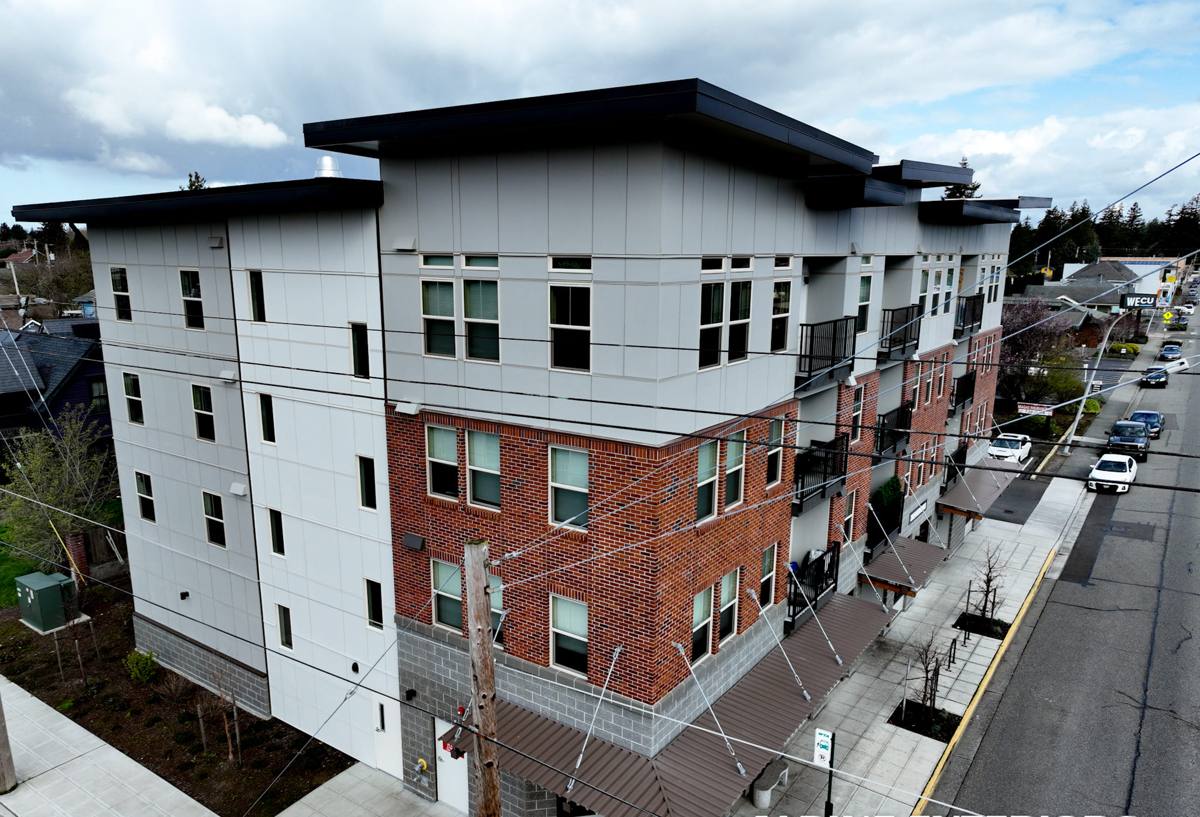
Whitfield Estates is an established neighborhood with a real mix of home ages and prior siding choices — original wood siding on some of the older homes, vinyl or fiber cement replacements from various decades on others, and a scattering of newer builds. What most of these homes have in common is proximity to enough humidity and salt exposure that whatever is on the wall is working harder than the same product would in a drier, inland climate.
On inspection, we typically find a few recurring issues regardless of the existing material: caulk joints that have failed and let water track behind the siding, fastener corrosion where the wrong nail or screw was used for a coastal-adjacent property, paint or coating breakdown from UV exposure, and soft or delaminating trim at corners and window returns where wind-driven rain has had years to work its way in. None of this is unusual for the area — it's simply what happens to exterior materials that weren't specified or installed with this exposure in mind.
Why We Only Install James Hardie — Not Vinyl, Not LP, Not Cedar
We made a deliberate decision as a company to install James Hardie fiber cement siding exclusively. We don't install vinyl, LP SmartSide, Cemplank, Allura, primed spruce, or cedar. That's not a marketing line — it's a standard we hold to because of how each of those alternatives tends to perform under sustained coastal Florida stress:
- Vinyl can warp, buckle, or crack under high heat and impact, and its color is baked into a thin material that fades and chalks under intense UV over time.
- Wood-based composite products (LP SmartSide, primed spruce, cedar) rely on a wood core, which means moisture intrusion at any cut edge, fastener hole, or failed joint can lead to swelling and rot — a real risk in a climate with this much wind-driven rain and humidity.
- Other fiber cement brands (Cemplank, Allura) are legitimate products, but we've standardized our crews, fastening specs, and warranty process around one manufacturer so every job is installed to the same proven detail, every time.
James Hardie isn't magic — it's fiber cement, and fiber cement done wrong can still fail. The difference is what the material is made of and how it's engineered for climates like this one.
The HZ5 Climate Zone Line
James Hardie makes region-specific product formulations, and homes in this part of Florida fall into the HZ5 climate zone — engineered for high humidity, heavy rain, and moisture cycling. That matters because a siding product engineered for a dry climate behaves differently here: it can absorb and release moisture at a different rate, which affects paint adhesion and long-term durability. Using the correctly zoned product isn't an upsell — it's the baseline for the material to perform as designed.
ColorPlus Factory Finish vs. Job-Site Paint
Most of the fading and chalking we see on older siding comes down to how the color was applied. A factory-applied finish, cured under controlled conditions, bonds to the substrate far more consistently than paint rolled or sprayed on-site after installation. James Hardie's ColorPlus finish is baked on at the factory and backed by its own finish warranty, which is a meaningful advantage in a market where UV exposure is this constant.
What a Correct Installation Involves Here
Fiber cement siding is only as good as the installation behind it. In a wind- and rain-exposed area like Whitfield Estates, a handful of details separate a job that holds up from one that doesn't.
Fastening for Wind Exposure
Fastener pattern, type, and spacing all need to match the wind exposure category of the specific home, not a generic default. That means the correct nail or screw gauge, corrosion-resistant fasteners appropriate for salt-air exposure, and fastening spacing tightened up in high-exposure zones like corners, eaves, and gable ends where uplift forces are highest during a storm.
Moisture Management Behind the Cladding
Siding is the visible layer, but the water-resistive barrier and flashing behind it do most of the real work. Every penetration — windows, doors, hose bibs, light fixtures — needs to be flashed and sequenced correctly so water sheds down and out rather than tracking behind the siding. This is the step that's easiest to rush and hardest to inspect once the wall is closed up, which is exactly why it matters most.
Trim, Joints, and Salt-Air Detail Work
Butt joints, corner boards, and trim transitions are where most siding failures start. We follow James Hardie's specified gaps, sealant types, and clearances at every joint, and we keep the bottom edge of the siding at the manufacturer's minimum clearance above grade, decks, and roof lines so it isn't sitting in standing moisture. In an area with this much airborne salt, we also pay attention to fastener and flashing metal compatibility to avoid galvanic corrosion over time.
Our Process, Start to Finish
- On-site assessment — we walk the exterior, check for underlying moisture or rot, and evaluate wind exposure by elevation.
- Product and color selection — HZ5-rated Hardie profile and ColorPlus finish selected for the home and, where applicable, any community aesthetic expectations.
- Written scope and estimate — clear line-item scope so you know exactly what's being removed, replaced, and flashed.
- Tear-off and substrate check — old siding removed, sheathing inspected and repaired before anything new goes on.
- Weather barrier and flashing — installed and sequenced per manufacturer detail at every penetration and joint.
- Hardie installation — fastened to the wind-exposure-specific spec for the home's location and elevation.
- Final inspection and walkthrough — we review the finished work with you before calling the job done.
Comparing Siding Options for This Climate
| Material | UV / Fade Resistance | Moisture Risk | Wind / Impact Durability | Typical Finish Life |
|---|---|---|---|---|
| James Hardie (HZ5, ColorPlus) | Strong — factory-cured finish | Low — non-combustible, doesn't rot | High when correctly fastened | 15+ years before repaint needed |
| Vinyl | Fades and chalks under sustained UV | Low direct risk, but can warp/gap | Can crack or blow off in high wind | Color is embedded, but material degrades |
| LP SmartSide / wood composite | Moderate, coating-dependent | Higher — wood core swells if compromised | Good if intact and sealed | Repaint/reseal on a shorter cycle |
| Cedar / primed spruce | Weathers and requires refinishing | Highest — natural wood, rot-prone | Moderate, maintenance-dependent | Frequent refinishing required |
What Maintenance Actually Looks Like
Correctly installed James Hardie siding is genuinely low-maintenance, but "low-maintenance" doesn't mean "no attention." In this climate, a short annual routine catches problems before they become expensive ones:
- Rinse the exterior once or twice a year to clear salt residue, especially on elevations facing prevailing wind.
- Inspect caulked joints around windows, doors, and trim annually, and re-caulk any that have cracked or pulled away.
- Check the bottom clearance of the siding above grade, decking, or roofing after any landscaping or hardscape changes.
- Look at gutters and downspouts to confirm water is being directed away from the wall, not draining across it.
- After a major storm, walk the exterior for loose trim, impact marks, or gaps at corners before they let water in.
Why Local Experience in Whitfield Estates Matters
A siding crew that mostly works inland doesn't build the habit of designing for salt exposure, wind-uplift zones, or the moisture cycling that's constant this close to the water. Working regularly in and around Bradenton and Manatee County means we know what wind exposure category a given elevation typically falls into, what fastening and flashing details actually hold up here versus on paper, and what Manatee County's permitting and inspection process expects for an exterior re-clad. That translates into fewer surprises mid-project and a finished wall that's built for the conditions it will actually face, not a generic installation lifted from a milder climate.
It also matters when it comes time to file a warranty claim or explain the work to a future buyer or appraiser. A documented, correctly installed system with a clear scope of work is worth far more than a vague "siding was replaced" note in a disclosure.
Cost Factors Worth Understanding
Every Whitfield Estates home is different, so we don't quote broad numbers without seeing the house, but a few factors consistently drive cost on a project like this: how much of the existing wall assembly needs repair before new siding goes on, the amount of trim and detail work at corners, windows, and rooflines, the profile and accessories chosen (lap siding versus panel, trim boards, soffit), and site access. None of these are things we guess at — they come out of the on-site assessment, and they're spelled out in the written scope before any work starts.
If you're weighing a siding replacement or repair in Whitfield Estates, we're happy to take a look and give you a straight, no-pressure estimate — just fill out the form below.