 Bradenton
 Why Holmes Beach Siding Wears Out Faster Than Inland Homes
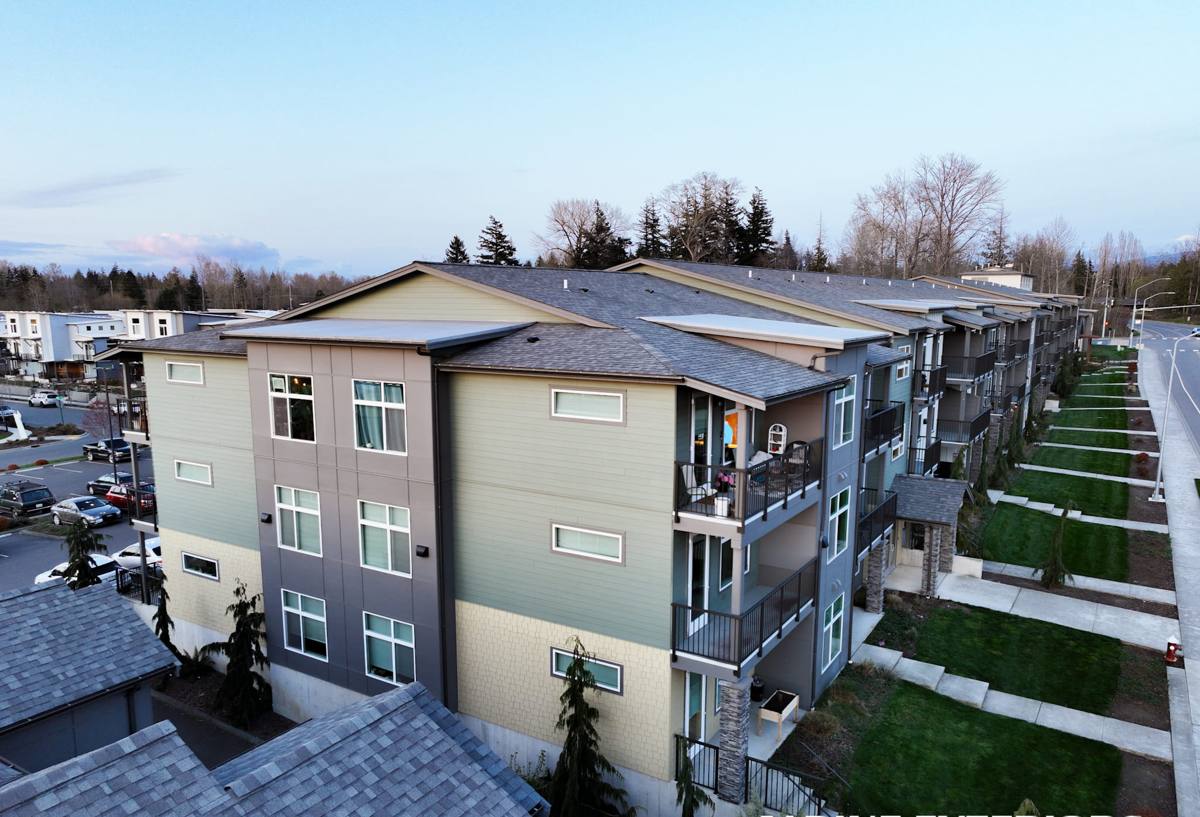
Holmes Beach sits on Anna Maria Island, right on the Gulf, which means the siding on these homes takes a harder beating than siding just a few miles inland in Bradenton or elsewhere in Manatee County. Salt-laden air moves off the water and settles on every exterior surface, day after day, all year. Combine that with intense, near-constant UV exposure, wind-driven rain that gets forced sideways into seams and laps, and the real possibility of hurricane-force winds during storm season, and you have one of the toughest climates in the country for exterior materials to survive.
Most siding products are engineered for a national average — not for a barrier island. When we replace siding in Holmes Beach, we're not just swapping old panels for new ones; we're addressing the specific combination of salt, sun, wind, and moisture that caused the original siding to fail in the first place.
How Coastal Exposure Actually Damages Siding
Salt Air and Corrosion
Salt is hygroscopic — it pulls moisture out of the air and holds it against whatever surface it lands on. On wood and wood-composite siding, that means prolonged dampness that feeds rot and fungal growth. On fasteners, trim, and hardware that aren't rated for coastal use, it means corrosion that can loosen siding from the wall long before the panels themselves look worn.
UV Breakdown
Florida sun is intense year-round, not just in summer. Field-applied paint finishes chalk, fade, and crack faster here than almost anywhere else, which is why the finish system matters as much as the siding material itself.
Wind-Driven Rain
Rain on a barrier island rarely falls straight down — Gulf winds push it sideways into lap joints, corner boards, and window trim. Siding and flashing details that would hold up fine in a calmer inland climate can let water behind the wall assembly here, leading to hidden moisture damage that isn't visible until it's advanced.
Hurricane Wind Load
Manatee County's coastal zones, including Holmes Beach, fall under some of the state's higher wind-load design requirements. Siding that isn't installed to the manufacturer's high-wind fastening specification can lift, crack, or blow off in storm-force gusts well before the eyewall of a hurricane ever gets close.
Signs a Holmes Beach Home Needs Siding Replacement, Not Just Repair
- Soft or spongy spots when you press on the siding, especially near the bottom courses and around window and door trim
- Visible buckling, warping, or panels that no longer lie flat against the wall
- Paint that's chalking heavily, peeling in sheets, or fading unevenly across the wall
- Rust streaks running down from nail heads or trim fasteners
- A musty smell along interior walls that back up to exterior siding, which can point to moisture intrusion behind the cladding
- Visible gaps opening up at seams, corners, or where siding meets window and door trim
- Siding that's more than 20-25 years old, especially if it's wood, hardboard, or an older composite product
One or two of these on their own might mean a targeted repair. Several together, especially on a home that's taken multiple storm seasons of direct Gulf exposure, usually mean the underlying material and installation are past the point where repair makes financial sense.
Why We Only Install James Hardie Fiber Cement Here
We've made a deliberate decision not to install vinyl siding, LP SmartSide, primed wood, cedar, or other fiber cement brands like Allura or Cemplank. That's not a knock on every homeowner who has one of those products on their home — it's a reflection of what we've seen hold up, and not hold up, in this specific climate.
Why Not Vinyl
Vinyl is affordable and low-maintenance in mild climates, but it softens and distorts in high heat and becomes brittle enough in cooler snaps to crack under wind impact. On a barrier island with sustained Gulf breeze and hurricane-season gusts, vinyl's wind ratings and impact tolerance simply don't compare to fiber cement, and heavy sun exposure fades its color permanently since there's no factory finish to renew.
Why Not Wood or LP SmartSide
Wood-based products, including engineered wood siding, rely on their outer coating to keep moisture out. Once that coating is compromised — from a fastener hole, a hairline crack, or a spot where two panels meet — the wood substrate underneath can absorb water and begin to swell or rot from the inside out. In a climate with this much ambient humidity and wind-driven rain, that's a maintenance burden we don't think is worth the upfront savings.
Why James Hardie
Fiber cement is non-combustible and dimensionally stable, meaning it doesn't expand, contract, or absorb moisture the way wood-based products do. James Hardie engineers specific product lines for different climate zones through its HardieZone system, and coastal Florida falls into the zone built to handle high humidity and moisture exposure. The factory-applied ColorPlus finish is baked on under controlled conditions and backed by its own finish warranty, which holds up dramatically better against UV fading and chalking than paint applied on-site. That combination — a stable substrate plus a factory finish designed for this exposure — is why we standardized on Hardie and don't install anything else.
Material Comparison for Barrier Island Exposure
| Factor | James Hardie Fiber Cement | Vinyl | Wood / LP SmartSide |
|---|---|---|---|
| Salt air resistance | Strong — non-porous, doesn't corrode | Fair — doesn't corrode but can chalk and pit over time | Weak — susceptible to moisture wicking and rot |
| High-wind performance | Strong when installed to spec | Moderate — can crack or blow off in gusts | Moderate — dependent on fastening and panel condition |
| UV / fade resistance | Strong — factory ColorPlus finish | Weak — fades with no way to refinish color | Weak to moderate — repaint needed on a regular cycle |
| Moisture tolerance | Strong — won't rot or swell | Strong against absorption, weak at seams | Weak — core material absorbs and swells |
| Combustibility | Non-combustible | Combustible | Combustible |
What Correct Installation Looks Like on a Coastal Home
The siding material is only half the equation. Fiber cement siding installed without attention to coastal-specific detailing can still fail early, regardless of how good the product is. On every Holmes Beach project, our process includes:
- A water-resistive barrier installed behind the siding, lapped and sealed correctly to shed wind-driven rain rather than trap it
- Correct flashing at every window, door, and roof-to-wall transition, since these are the points where coastal storms find their way in first
- Corrosion-resistant fasteners rated for coastal and high-moisture use, driven to Hardie's specification rather than over- or under-driven
- Manufacturer-specified fastener spacing and clearances tied to the wind zone the home sits in, not a generic inland pattern
- Proper clearance between the bottom of the siding and grade, decks, or roof lines to keep splashback and standing moisture away from the material
- Caulking and sealant only where Hardie's installation guide calls for it — over-caulking traps moisture just as often as under-caulking lets it in
This level of detail is what separates a siding job that survives its first few hurricane seasons from one that needs rework within a few years.
Our Process for Holmes Beach Projects
Working on a barrier island comes with logistics that differ from a typical Bradenton mainland job. Lots in Holmes Beach are often narrow, homes may be elevated, and many properties fall under HOA or community association guidelines in addition to standard Manatee County permitting. Because we already work this area regularly, we account for that upfront:
- On-site assessment of the existing siding, substrate condition, and any moisture damage found once old material is removed
- A written scope covering material, color, trim details, and any HOA-driven specifications before work begins
- Careful staging and material protection suited to tighter island lots, including protecting landscaping and adjacent structures
- Full tear-off, substrate inspection and repair where needed, then installation to manufacturer wind-zone specifications
- Final walkthrough and cleanup, including proper disposal of old siding material
What Affects the Cost of a Siding Replacement Here
| Cost Factor | Why It Matters in Holmes Beach |
|---|---|
| Home size and wall complexity | More corners, dormers, and trim details mean more labor and cut waste |
| Substrate condition | Hidden rot or moisture damage found after tear-off adds repair scope |
| Siding profile and finish | Lap width, texture, and ColorPlus color selection affect material cost |
| Access and site logistics | Narrow lots, elevated homes, and limited staging space affect labor time |
| Trim and accessory work | Corner boards, soffit, and fascia replacement alongside siding adds scope |
| Permitting requirements | Coastal wind-zone permitting can add time but is necessary for a compliant install |
We don't publish flat prices because every home's condition and scope is different — an accurate number only comes from seeing the home in person.
Protecting Your Investment After Installation
James Hardie siding is built to be low-maintenance, not no-maintenance, especially in a salt air environment. A few habits go a long way toward getting the full lifespan out of the material:
- Rinse salt residue off the siding periodically with fresh water, particularly on sides of the home facing the Gulf
- Keep sprinklers and irrigation from spraying directly on siding, since repeated wetting in one spot accelerates wear
- Inspect caulking at trim and penetrations annually, and have any gaps resealed before storm season
- Trim back vegetation touching the siding to allow airflow and reduce trapped moisture
- After major storms, do a visual check for cracked panels, loose trim, or displaced flashing
None of this is heavy upkeep — it's the kind of routine attention that any coastal home benefits from, regardless of siding material.
Ready to Talk About Your Home
If your Holmes Beach home's siding is showing its age or you're planning ahead of the next storm season, we're happy to take a look and give you an honest read on what your home needs. Request a free, no-pressure estimate using the form below, and we'll walk the property with you before recommending anything.