 Bradenton
 Holmes Beach Sits on the Front Line of Anna Maria Island's Weather
Holmes Beach takes a harder hit from the elements than most inland Bradenton neighborhoods. Sitting directly on Anna Maria Island, homes here absorb salt-laden air off the Gulf every single day, get raked by wind-driven rain during summer storms and hurricane season, and bake under some of the most intense year-round UV exposure in Manatee County. That combination doesn't just age siding — it accelerates every weak point in it: seams that were never quite sealed right, fastener heads left exposed, corners that were caulked instead of properly flashed.
Siding repair on a barrier island isn't the same job as siding repair five miles inland. The damage patterns are different, the materials that hold up are different, and the margin for a sloppy patch job is a lot smaller. This page is about what siding repair actually looks like for a Holmes Beach home — what causes the damage, what a correct fix involves, and why it matters to hire a crew that already understands this stretch of coastline.
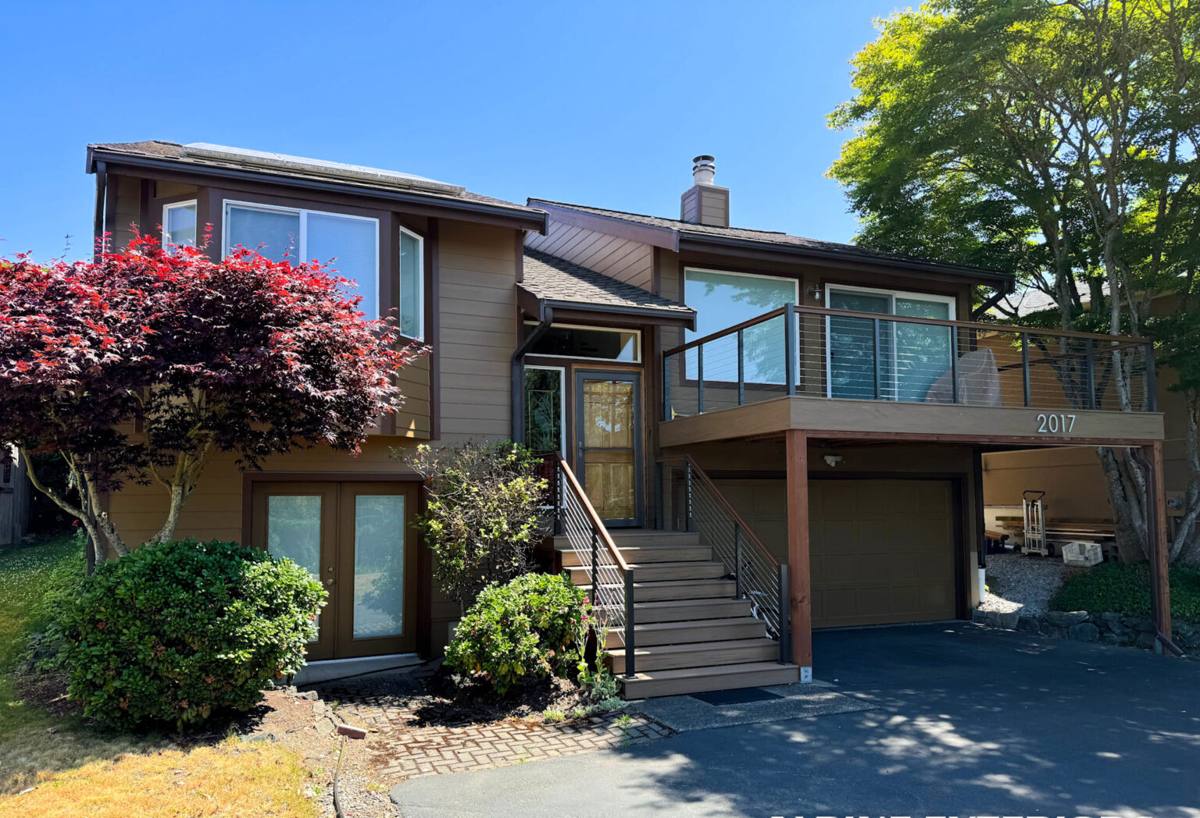
What Actually Damages Siding on Anna Maria Island
Salt Air, Every Day, Year-Round
Salt doesn't need a storm to do damage. It rides the everyday sea breeze and settles on every exterior surface, working into seams, fasteners, and any spot where a coating has thinned. On siding that isn't built for a marine environment, this shows up as swelling, staining, and fastener corrosion long before the rest of the panel looks worn out.
Wind-Driven Rain
Rain that comes in sideways during a squall or a tropical system doesn't behave like normal rainfall — it gets pushed up and under laps, into joints, and behind trim that was installed without enough attention to water management. Once moisture gets behind siding, the damage is often happening out of sight before a homeowner ever sees a stain or a soft spot.
UV Load
Florida sun is hard on paint and coatings everywhere, but a Gulf-front property gets close to maximum exposure with little tree canopy to break it up. Factory finishes that aren't engineered for this kind of UV load chalk, fade unevenly, and lose their ability to shed water years before they're expected to.
Hurricane-Force Wind
Even when a storm doesn't make a direct hit, Holmes Beach regularly sees strong wind events that flex siding, work fasteners loose, and pry up edges and corners — especially on siding that was face-nailed too tightly, too loosely, or without the clearances the manufacturer specifies.
Signs a Repair Is Needed Now, Not Later
- Panels that look wavy, bowed, or buckled, especially near corners and butt joints
- Soft or spongy spots when you press on the siding by hand
- Visible gaps opening up at seams, corners, or where siding meets trim and windows
- Rust streaks or dark staining running down from fastener heads
- Peeling, bubbling, or chalky paint that wipes off on your hand
- Any siding that separated or lifted during the last storm season, even partially
- Interior signs — a musty smell, peeling interior paint, or a soft spot on an exterior wall — that suggest moisture has already gotten behind the siding
Any one of these on its own might be minor. Several together, or damage concentrated on the side of the house that faces the prevailing wind and salt air, usually means water has been getting behind the siding for a while.
What a Correct Repair Involves
A lot of "siding repair" in coastal areas amounts to caulking a gap or slapping a patch over a visible problem. That approach almost always fails again within a season or two, because it treats the symptom without addressing what let water in to begin with. A repair done right on a Holmes Beach home includes:
- Removing enough surrounding material to see the real extent of the damage. Water travels. The stain on the surface is rarely the full footprint of the problem underneath.
- Checking the water-resistive barrier and flashing behind the siding. If the underlying moisture barrier failed or was never installed correctly, replacing the siding on top of it just repeats the failure.
- Assessing for wood rot or sheathing damage. Any soft or compromised sheathing needs to be addressed before new siding goes back on — covering it up guarantees a repeat call.
- Matching the replacement material and profile. Mismatched panel width, reveal, or color makes a repair visually obvious and can affect how water sheds off the wall.
- Correct fastening and clearances. Nail placement, spacing, and gaps at joints all have to follow spec — this is exactly where wind and moisture problems start when it's skipped.
- Re-sealing and finishing to the same standard as new installation. A repair is only as good as the finish work around its edges.
Repair or Replace? What Actually Determines the Answer
| Factor | Leans Toward Repair | Leans Toward Replacement |
|---|---|---|
| Extent of damage | Isolated to one wall or a small section | Spread across multiple elevations |
| Underlying moisture barrier | Intact, no rot found | Failed, or rot found in sheathing/framing |
| Age of existing siding | Relatively new, still under warranty | Near or past expected service life for this climate |
| Material match | Matching panels still available | Discontinued profile or faded color that won't match |
| Storm history | First noticeable damage after one event | Recurring damage after multiple storm seasons |
We'll tell you honestly which side of that table your home falls on. A patch job on siding that's structurally failing everywhere else just delays a bigger repair bill — and on a barrier island property, that delay usually gets worse fast, not slow.
Why We Only Repair and Replace With James Hardie Fiber Cement
When we're called out to repair siding in Holmes Beach, we regularly find vinyl that's warped from heat and wind load, or wood-based products that took on water and softened at the seams. We understand why those products get used — they're familiar and often cheaper up front — but we've made a standing decision not to install them, because we don't think they hold up to what this stretch of Manatee County coastline throws at a house year after year.
We install James Hardie fiber cement exclusively. It's non-combustible, it doesn't swell or rot from moisture the way wood-based siding can, and its ColorPlus factory finish is baked on and engineered to resist the fading and chalking that heavy UV exposure causes. Hardie's HZ5 product line is specifically engineered for high-humidity, storm-prone climates like ours, and it carries a strong transferable warranty when installed to spec — which matters on a property that may change hands someday.
When we repair a section of Hardie siding, we're working with a material that behaves predictably and is still being manufactured, so matching new sections to existing ones is straightforward. When we're asked to repair a different product, we'll do honest work, but we'll also tell you plainly if what's already on the house is a poor long-term fit for a Gulf-front home — and what replacing it with Hardie would look like.
Our Repair Process
- On-site inspection. We look at the visible damage and check surrounding areas, corners, and penetrations that tend to fail first in this climate.
- Diagnosis, not guesswork. We open up enough of the wall to confirm what's actually happening behind the siding before quoting a fix.
- Honest scope and estimate. You get a clear explanation of what needs to happen, why, and what it costs — including if we think replacement makes more sense than repair.
- Correct repair or replacement. Moisture barrier and flashing addressed first, then siding installed to manufacturer spec for fastening, clearance, and sealing.
- Cleanup and walkthrough. We show you the finished work and explain what to keep an eye on going forward.
Why It Matters to Hire a Crew That Already Works Holmes Beach
Island properties come with logistics that inland jobs don't: tighter lot access, barrier island permitting and inspection requirements, and building conditions shaped by decades of salt exposure that a crew unfamiliar with the area might not anticipate. A contractor who regularly works in Holmes Beach and the surrounding Bradenton area already knows what to check for on a coastal home, has a feel for how local permitting works, and isn't learning the climate on your dime.
That familiarity shows up in small but important ways — knowing which corners and penetrations fail first on a Gulf-facing wall, not being surprised by how far water can travel behind siding on an older island home, and understanding that a repair here has to survive conditions that a lot of siding simply wasn't built for.
Questions Worth Asking Before You Hire Anyone for Island Siding Repair
- Will you open the wall to check the moisture barrier, or just patch the visible damage?
- Do you install and repair fiber cement siding regularly, or mostly other materials?
- Can you explain, in plain terms, why you're recommending repair over replacement (or vice versa)?
- Do you carry the licensing and insurance appropriate for exterior work in Manatee County?
- Will the repair be finished to match the existing siding's color and profile?
If your Holmes Beach home has siding damage — a soft spot, a stained corner, panels that shifted in the last storm — we're glad to take a look and give you a straight answer on what it needs. The estimate is free, there's no pressure, and you can use the form below to get started.