 Bradenton
 Building New on Anna Maria Island Means Getting Windows Right the First Time
Holmes Beach sits on Anna Maria Island, fully exposed to the Gulf on one side and the intercoastal on the other. When a home is going up from the ground — new build, major addition, or a gut-to-the-studs rebuild — the windows aren't an upgrade you bolt into an existing opening later. They're part of the building envelope from day one, tied into the rough framing, the weather-resistive barrier, the flashing plan, and the stucco or siding that goes on after. Get that sequence wrong and you don't find out until the first wind-driven rain event, when water shows up inside a wall that's already closed up.
New-construction window work is a different trade than replacement window work. It requires coordinating with a general contractor's schedule, reading architectural plans and structural details, and understanding how Manatee County's permitting and inspection process treats window openings on a barrier island. This page covers what that actually looks like for a Holmes Beach project.
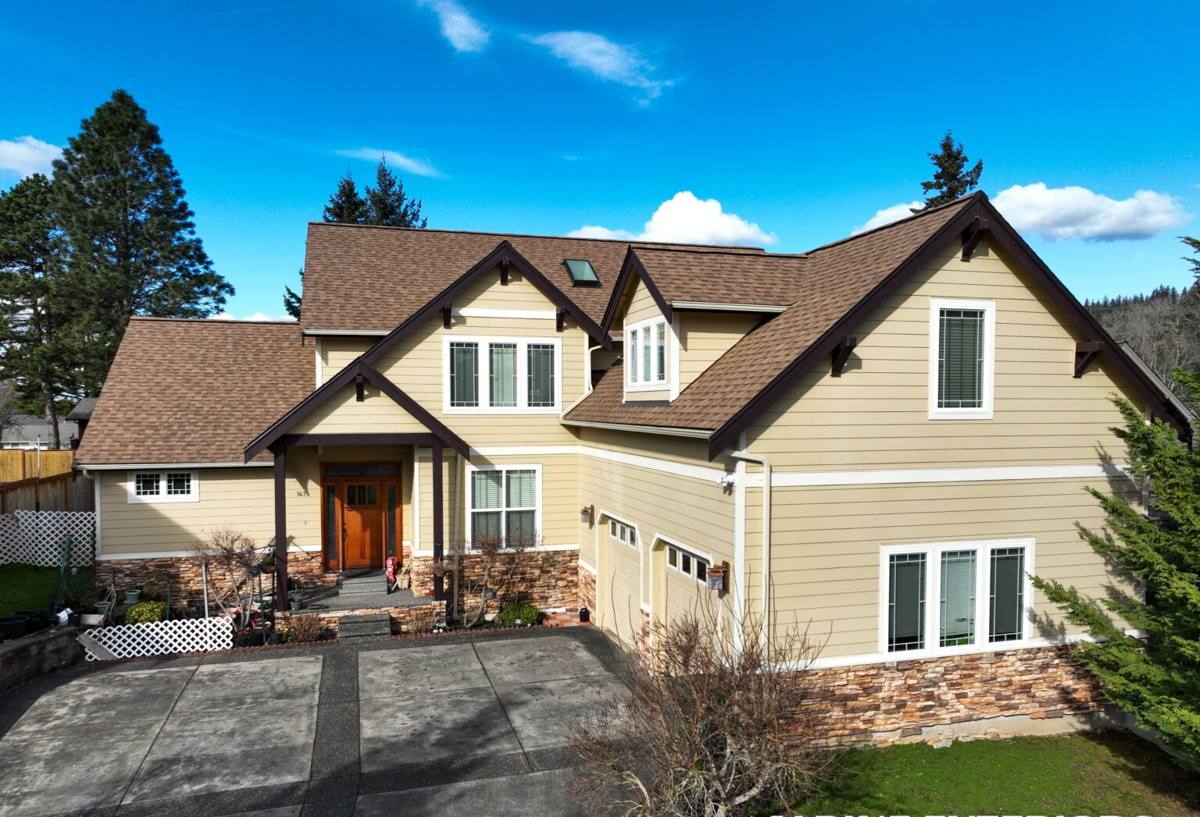
What Holmes Beach's Exposure Actually Demands
Every coastal town in Florida deals with sun, wind, and rain. Holmes Beach deals with an intensified version of all three because there's open water and unobstructed exposure on multiple sides of most lots. That changes what "a good window" means here.
Wind
Barrier island homes typically sit in a higher wind exposure category than homes further inland in Manatee County, which pushes up the design pressure (DP) rating a window needs to carry. A window that's perfectly adequate on a shielded inland lot can be undersized for a home a few blocks from the beach with nothing but open water and low vegetation around it.
Wind-driven rain
During a strong storm, rain in Holmes Beach doesn't fall straight down — it's driven sideways under pressure. A window and its flashing have to shed that water even when it's being forced up and under the frame, not just down the face of the wall. This is a flashing and installation issue as much as a product issue.
UV and heat
Year-round Florida sun breaks down vinyl, degrades seals, and fades interior finishes faster than in most of the country. Glass package and frame material both matter more here than they would in a milder climate.
Salt air
Airborne salt corrodes hardware, fasteners, and lesser frame components faster the closer a home sits to the water. On an island like this, "close to the water" describes almost every lot.
Wind Load, Product Approval, and Permitting for a Barrier Island Build
New windows on a new-construction opening in Holmes Beach go through Manatee County's (or the City of Holmes Beach's, depending on jurisdiction) building permit and inspection process, and they have to meet Florida Building Code wind load requirements for the property's specific wind exposure and design pressure. In practice, that means:
- Every window installed needs current Florida Product Approval (or Miami-Dade NOA where specified) documentation matched to the actual design pressure required for that opening — not just a generic rating pulled off a spec sheet.
- Impact-rated glass or code-compliant shutter protection is typically required for openings in the applicable wind-borne debris region, which covers most of this stretch of coast.
- Rough opening framing has to be inspected and signed off before the window goes in, and the installed window is inspected again before it's covered by exterior finish — skip a step and the whole wall can get held up.
- Many Holmes Beach lots carry flood zone and base flood elevation requirements that affect sill heights and, on elevated construction, which openings even qualify as "at grade."
None of this is exotic, but it's paperwork and sequencing that has to be handled correctly the first time. A crew that pulls permits and schedules inspections on this island regularly moves through it without the project stalling.
Frame and Glass Options for Coastal New Construction
There's no single "correct" window for every new build — the right choice depends on the home's exposure, the architectural style, and the owner's budget and maintenance tolerance. The trade-offs below are honest ones, not sales pitches for one option over another.
| Frame Material | Salt-Air / UV Behavior | Typical Trade-Off |
|---|---|---|
| Vinyl (impact-rated) | Won't corrode; UV-stable formulations hold color well in modern products | Frame profiles are thicker than aluminum; color options are more limited |
| Aluminum | Strong for large openings but requires quality finish and hardware to resist salt corrosion long-term | Higher cost; needs a marine-grade finish and stainless fasteners near the coast |
| Fiberglass | Very stable dimensionally and resistant to salt and UV degradation | Highest material cost of the common options |
| Protection Approach | What It Involves | Ongoing Homeowner Effort |
|---|---|---|
| Impact-rated glass | Laminated glass rated to resist wind-borne debris; stays in place year-round | Essentially none — no pre-storm action required at the window |
| Standard glass + shutters | Non-impact glass paired with code-approved shutters or panels | Shutters must be deployed before every storm and stored the rest of the year |
For most Holmes Beach new-construction projects, we lean toward impact glass on primary exposures simply because it removes a step homeowners have to remember to do under storm pressure — but it's a legitimate, code-compliant choice to pair standard glass with shutters where budget or design calls for it, and we'll lay out both honestly for your specific project.
What a Correct New-Construction Window Installation Involves
The window unit itself is only part of the job. The installation details around it are what actually keep water and air out for the life of the building.
The sequence, in order
- Rough opening is framed to the window manufacturer's specified dimensions and structurally verified — undersized or out-of-square openings get corrected before anything else happens.
- Sill pan flashing is installed to direct any water that does get past the window back out, not into the wall cavity.
- The weather-resistive barrier (house wrap) is integrated with the flashing in the correct shingle-lap order so water always drains outward and downward.
- The window is set, shimmed level and plumb, and fastened per the manufacturer's and product approval's specified fastening schedule — this is what the design pressure rating actually depends on.
- Perimeter sealant and backer rod are installed at the frame joint, sized and placed to handle building movement without failing.
- Interior and exterior trim, stucco stop, or siding transition is completed and the opening is ready for inspection.
Quick checklist for homeowners and builders
- Confirm the window's Florida Product Approval matches the design pressure required for that specific wall and exposure — not a lower-rated substitute.
- Confirm sill pan flashing is part of the installation, not skipped to save time.
- Confirm fasteners and hardware near the coast are stainless or otherwise rated for salt exposure.
- Confirm the rough opening passes inspection before the window is set, and the set window passes inspection before it's covered by exterior finish.
- Ask to see the low-E and impact glass specs in writing, not just verbally described.
How We Work With Builders and Homeowners on Holmes Beach Projects
On a new build, we're one trade among several working against a shared schedule, so communication with the general contractor matters as much as the window install itself. Our process typically runs:
- Plan review — we go through architectural drawings and window schedules before ordering, checking that specified products actually meet the wind load and impact requirements for that lot's exposure.
- Lead-time ordering — coastal-rated, code-approved windows aren't stock items at most suppliers; we order early against the framing schedule so the project doesn't stall waiting on product.
- Rough opening verification — we check framing dimensions and structural backing before installation day, catching problems while they're still cheap to fix.
- Installation — set, flashed, sealed, and fastened to the product approval's specification, with photos and documentation kept for the inspection record.
- Inspection coordination — we schedule and stand for both the rough opening and final window inspections with Manatee County or Holmes Beach as required.
Living With New Windows in a Salt-Air Environment
Even a correctly installed, properly rated window needs a little upkeep on a barrier island. Rinsing accumulated salt off frames and glass periodically — especially after storms — cuts down on the corrosion and haze that salt spray causes over time. Checking that weep holes stay clear of sand and debris keeps the drainage system doing its job. And keeping an eye on exterior sealant joints for cracking or separation lets small maintenance items get fixed before they become water intrusion problems. None of this is heavy work, but it's the difference between windows that look and perform well for decades and ones that show their age early in this climate.
Why Hiring a Crew That Already Works Holmes Beach Matters
A window installer who mostly works inland projects can still install a window competently — but new construction on this island adds layers that only show up with repetition: knowing which wind exposure category applies to which side of the island, knowing how Manatee County and Holmes Beach inspectors want flashing documented, knowing which suppliers actually stock coastal-rated product without a long delay, and knowing how flood zone elevation requirements affect sill heights on a given lot. A crew that's built this experience specifically on Anna Maria Island projects catches problems in the plan review stage instead of on inspection day, which keeps your build on schedule.
If you're framing a new home, an addition, or a rebuild in Holmes Beach and need windows specified, ordered, and installed correctly the first time, we're glad to walk your plans and give you a straightforward, no-pressure estimate — just fill out the form below.