 Bradenton
 Roofing a Barrier Island Home Is Not the Same Job as Roofing One Inland
Holmes Beach sits on Anna Maria Island, and a roof out here earns its keep differently than one a few miles inland in Bradenton or east Manatee County. The wind loads are higher because there's nothing between the Gulf and your shingles to slow the gusts down. The UV exposure is more intense because there's more open sky and reflected light off the water. And the air itself is different — salt-laden, humid, and hard on metal fasteners, flashing, and any material that isn't rated to handle it. A shingle roof that would hold up fine on a shaded inland lot can wear out years early on the island if it wasn't installed with these conditions in mind.
This page is about one job, done right, in one place: asphalt shingle roofing for Holmes Beach homes. Not a general overview of roofing services — the specific realities of putting a shingle roof on a barrier island property in Manatee County, and what it takes to get it right the first time.
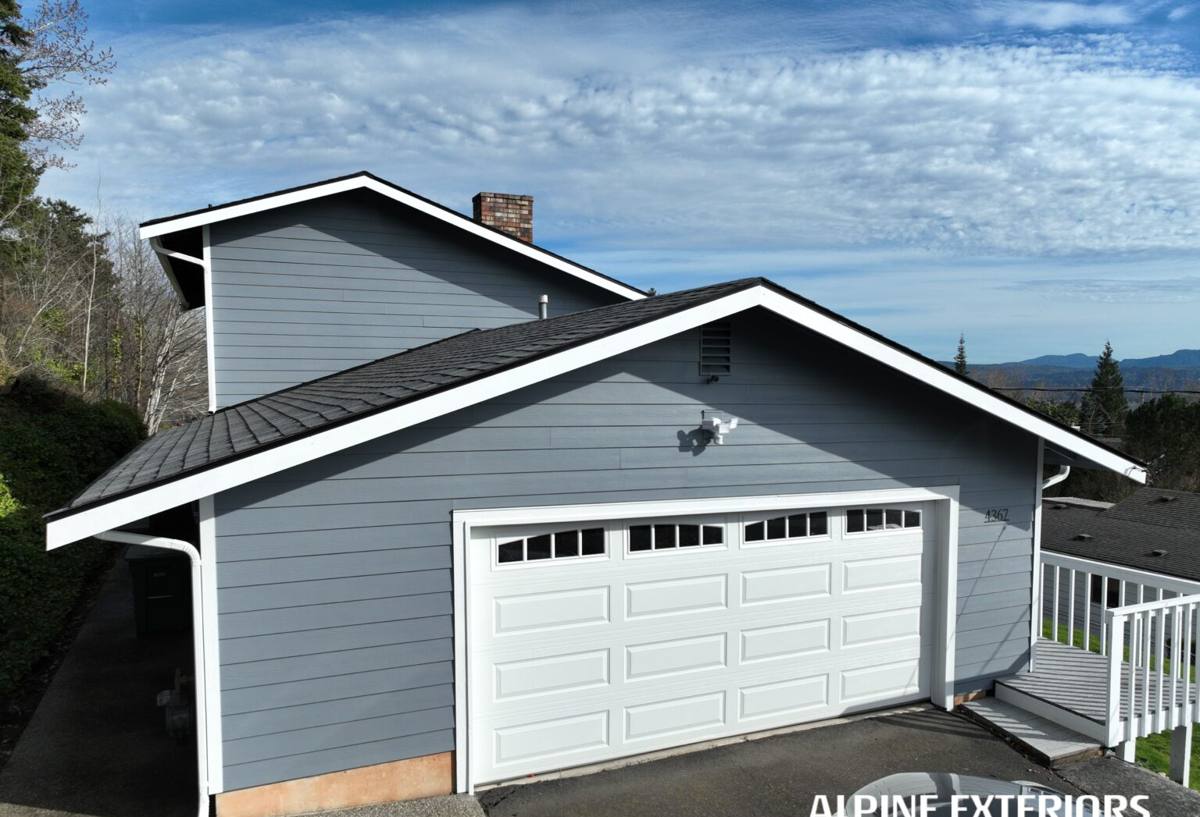
What Holmes Beach Weather Actually Does to a Roof
It helps to understand the mechanisms, not just the buzzwords, because they drive real decisions about materials and installation.
Wind
Tropical systems and even routine seasonal storms push sustained winds and gusts across the island that are meaningfully higher than what a roof set back from the coast experiences. Shingles fail in wind two ways: they get lifted at the tab because the seal strip never bonded properly, or the nailing pattern was off and there simply isn't enough holding power at the edges and corners where uplift forces concentrate. Both are installation problems, not just product problems.
UV and Heat
Year-round Florida sun bakes the asphalt in shingles, driving out the oils that keep them flexible and accelerating granule loss. Granules are what protect the asphalt mat underneath from UV in the first place, so once they start shedding, the aging process speeds up. On the island, with less tree cover on many lots and strong reflected light, this process runs faster than it would on a heavily shaded inland roof.
Wind-Driven Rain
Straight-down rain is rarely the problem. Rain pushed sideways by wind finds every gap in flashing, every under-driven nail, every place where underlayment laps the wrong direction. A roof that's watertight in a calm afternoon shower can still leak in a wind-driven event if the underlayment and flashing details weren't built for it.
Salt Air
Salt is corrosive to exposed metal — nail heads, flashing, vent stacks, drip edge. Standard galvanized fasteners can start showing rust streaks and losing holding strength faster near the coast than they would inland. This is one of the most overlooked factors in a shingle roof's real lifespan on the island.
What a Correct Shingle Roof Includes Out Here
A roof that's built for these conditions isn't a different product line — it's the same asphalt shingle system, assembled with coastal-appropriate specifications at every layer.
- Wind-rated shingles — architectural (laminated/dimensional) shingles with a wind rating suited to coastal exposure, properly sealed and nailed.
- Correct nailing pattern — the right number of nails, placed where the manufacturer specifies, not just "enough to hold it down." This is the single biggest factor in wind performance and the easiest thing for a rushed crew to shortcut.
- Enhanced underlayment — synthetic or self-adhering underlayment as a genuine secondary water barrier, not just a nailing surface for the shingles.
- Sealed and properly lapped flashing — at valleys, sidewalls, chimneys, and any roof penetration, with corrosion-resistant metal appropriate for salt-air exposure.
- Ventilation that actually works — balanced intake and exhaust so heat and moisture don't cook the underside of the deck and shorten the roof's life from below.
- Drip edge and starter strip installed correctly at the eaves and rakes, where wind uplift starts.
None of this is exotic. It's standard, correct roofing practice — but it only shows up on the roof if the crew installing it treats these details as non-negotiable rather than optional.
Signs Your Holmes Beach Roof Needs a Look
Because of the accelerated wear from sun and salt, island roofs often show trouble earlier than homeowners expect. Worth checking for, especially after any windy stretch:
- Shingles that look curled, cupped, or raised at the corners
- Bare or thinning spots where granules have washed away, exposing darker asphalt underneath
- Missing shingles or tabs, even just one or two — a sign the seal strip or nailing has already started to fail nearby
- Granules collecting in gutters or at downspout outlets
- Rust staining around vent stacks, flashing, or nail heads
- Soft spots or sagging when walked, or visible sag from the ground
- Water stains on interior ceilings, especially near chimneys, skylights, or roof valleys
- Daylight visible through the roof deck from inside the attic
Any one of these on its own might not mean an urgent problem, but they're worth a professional look before the next windstorm turns a small issue into a leak or a full tab blow-off.
How We Approach a Holmes Beach Roofing Job
1. Inspection and Honest Assessment
We start on the roof and in the attic, not just with a drive-by. We're looking at deck condition, existing ventilation, flashing details, and how the current roof has actually held up to the island's conditions — not guessing from the ground.
2. A Real Scope, Explained Plainly
You get a written scope that spells out tear-off (if needed), deck repair allowances, underlayment type, flashing work, shingle product, and ventilation — in plain language, so you know exactly what's being done and why, before any work starts.
3. Tear-Off and Deck Check
We don't cover over a bad deck. Old shingles and underlayment come off, the deck gets inspected board by board, and any soft or damaged sections get replaced before anything new goes down. Roofing over rot just hides the problem.
4. Underlayment and Flashing First
The waterproofing layer goes on correctly before a single shingle is placed, with valleys, sidewalls, and penetrations flashed and sealed as their own step — not an afterthought squeezed in around the shingles.
5. Shingle Installation to Spec
Starter strip, field shingles, and ridge cap go on following the manufacturer's nailing and exposure requirements, which is what actually earns the wind rating printed on the shingle wrapper — a wind rating only holds if the installation matches the spec it was tested under.
6. Cleanup and Walk-Through
Magnetic sweep for stray nails, full site cleanup, and a walk-through so you can see the finished work and ask questions before we consider the job done.
Choosing a Shingle for Island Conditions
Not every shingle product is equally suited to coastal exposure. Here's how the common options generally compare for a Holmes Beach home:
| Shingle Type | Wind Performance | UV/Salt Durability | Typical Fit for Holmes Beach |
|---|---|---|---|
| 3-tab shingles | Lower wind ratings, individual tabs more prone to lifting | Thinner profile wears faster under intense sun | Budget option; less suited to direct coastal exposure |
| Architectural (dimensional) shingles | Higher wind ratings, laminated construction resists uplift better | Thicker mat and heavier granule coverage hold up longer | Standard recommendation for most island homes |
| Impact-rated architectural shingles | Highest wind and impact ratings in the shingle category | Reinforced mat resists granule loss and cracking | Worth considering for full Gulf-front exposure or insurance credits |
We'll walk through what makes sense for your specific roof, orientation, and exposure rather than defaulting to one product for every house — a shingle that's overkill on a sheltered lot might be exactly right on a Gulf-facing one.
Permits, Codes, and Insurance on the Island
Holmes Beach and the rest of Manatee County work under the Florida Building Code, which sets minimum requirements for wind resistance, underlayment, and attachment methods — coastal properties are held to standards built around actual storm exposure, not just a generic minimum. A reroof typically requires a permit and inspection, and we handle that process as part of the job rather than leaving it to the homeowner.
It's also worth talking to your insurance agent about wind mitigation. Many carriers offer credits for features like a properly rated roof-to-wall connection, secondary water barrier (enhanced underlayment), and impact-rated materials — documentation from the reroof can sometimes support a wind mitigation inspection and lower your premium. We can't quote your policy, but we can make sure the roof itself is built to qualify for whatever credits your carrier offers.
Living With a Salt-Air Roof: Realistic Maintenance
Even a correctly installed roof benefits from a little attention on the island:
| Maintenance Item | Why It Matters Here | Rough Frequency |
|---|---|---|
| Gutter and valley clearing | Salt residue and debris trap moisture against shingles and fasteners | 2-4 times a year, more after storms |
| Visual roof check after storms | Wind-driven rain and gusts are when lifted tabs and flashing failures show up | After any named storm or major wind event |
| Flashing and vent inspection | Metal components corrode faster in salt air than shingles wear out | Annually |
| Attic ventilation check | Trapped heat and humidity shorten shingle life from underneath | Annually |
None of this requires climbing on the roof yourself — a quick call to a local crew for a look after a rough weather stretch is usually enough to catch small issues before they become leaks.
Why Working With a Crew That Already Knows Holmes Beach Matters
Barrier island jobs have logistics that inland roofing jobs don't. Getting crews, dump trailers, and material deliveries on and off the island around bridge and seasonal traffic takes planning. Many Holmes Beach properties are rentals or seasonal homes with HOA or condo association rules about work hours, noise, and staging areas, and a crew that's worked on the island before knows to check for that upfront instead of finding out mid-job. Salt-air-appropriate material choices aren't something you look up once — they're something a crew internalizes after doing enough roofs in this exact environment to see which details actually matter and which ones are just add-on upsells.
That local familiarity shows up in small ways that add up: fewer surprises on permit day, fewer callbacks for a missed flashing detail, and a realistic timeline that accounts for how weather windows actually work on the coast during storm season.
What Affects the Cost of a Holmes Beach Shingle Roof
| Factor | Why It Moves the Price |
|---|---|
| Roof size and complexity | More squares, valleys, hips, and penetrations mean more material and labor |
| Tear-off vs. overlay | Full tear-off costs more upfront but is the only way to properly inspect and repair the deck |
| Deck repair needs | Rotted or soft decking found during tear-off adds material and labor to replace it |
| Shingle tier chosen | 3-tab, standard architectural, and impact-rated products carry different material costs |
| Underlayment and flashing spec | Enhanced underlayment and full metal flashing cost more than bare-minimum code compliance |
| Roof pitch and access | Steep pitches or limited site access slow the work and affect safety equipment needs |
We won't quote a number without seeing the roof — anyone who does is guessing — but we're always upfront about which of these factors are driving your specific price, and where there's genuine room to adjust scope versus where cutting corners would just cost more later.
Ready for a Straight Answer on Your Roof?
If you're dealing with a roof that's showing its age, storm damage, or you just want an honest read on how much life is left in it, we're glad to take a look. We offer free, no-pressure estimates for Holmes Beach homeowners — use the form below to get started, and we'll walk the roof, explain what we find, and give you a straightforward scope and price with no obligation.