 Bradenton
 Windows Built for Anna Maria Island, Not Just "Florida"
Anna Maria Island sits about as close to the Gulf as a Manatee County property can get, and that changes what a window has to do all day, every day. It isn't just resisting a storm once a year. It's holding up against salt-laden air blowing off the water, direct sun for most of the daylight hours, and the kind of wind-driven rain that finds every weak seam in a frame. A window that's fine three miles inland in Bradenton can fail early on the island because the exposure is simply harsher. When we quote energy-efficient windows for a home on Anna Maria Island, we're pricing for that exposure specifically, not a generic Florida spec.
This page covers what "energy-efficient" actually means for barrier island homes, what a correct installation involves, and why working with a crew that installs on the island regularly — not occasionally — matters more here than almost anywhere else in our service area.
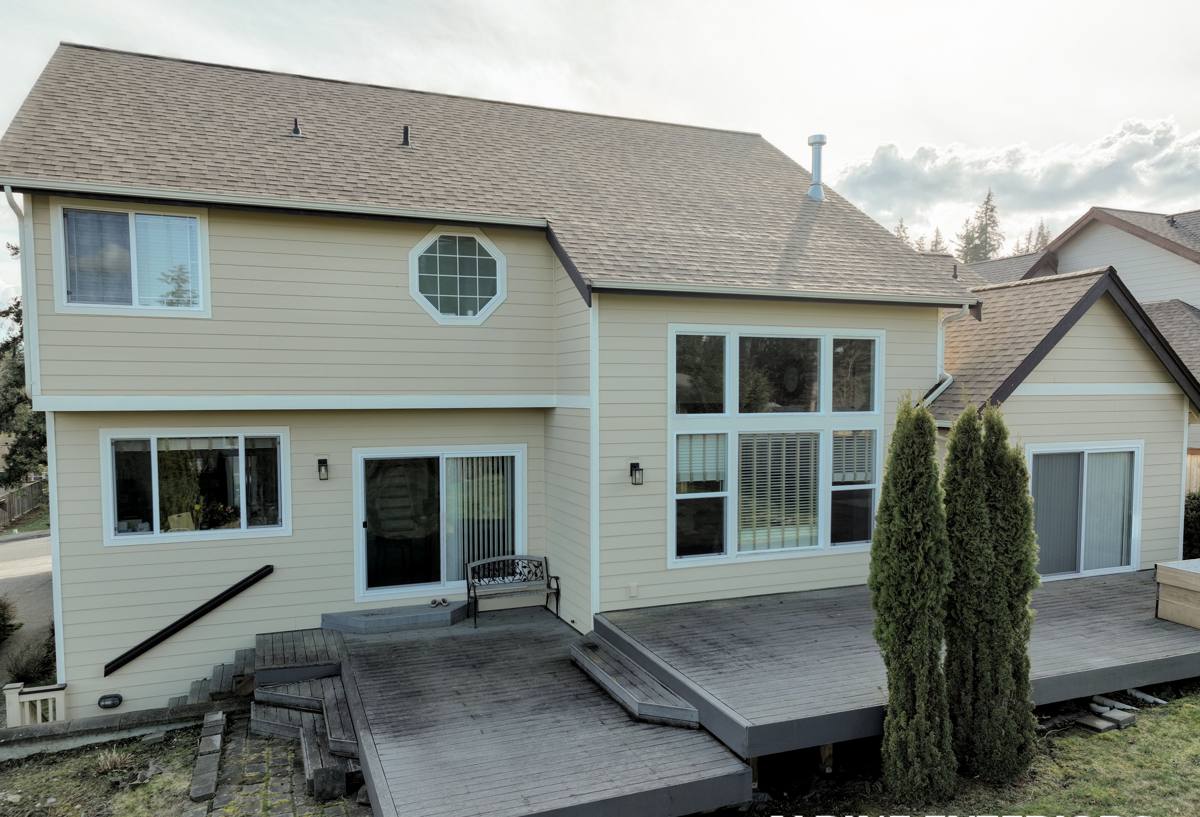
What the Island Climate Actually Does to Windows
Salt Air and Corrosion
Airborne salt settles on glass, frames, and hardware constantly, not just after a storm surge. Over time it corrodes low-grade fasteners, pits aluminum that isn't properly coated, and breaks down weatherstripping faster than it would a few miles inland. Frame material and hardware grade matter more on the island than almost any other spec on the order form.
Year-Round UV Exposure
Manatee County gets strong sun most of the year, and homes near the Gulf get it reflected off the water as well as directly overhead. UV degrades vinyl, fades interior finishes and furniture, and breaks down inferior seals and gaskets. Glass coatings and frame formulations that aren't UV-stabilized show it within a few years — chalking, warping, or seal failure well before the window's rated lifespan.
Wind-Driven Rain and Pressure
Even outside a named storm, Gulf-front and near-Gulf homes see sideways rain during regular summer thunderstorms. A window that isn't properly flashed and sealed will let water intrude around the frame long before glass or wind rating ever becomes the issue. Most of the "window leaks" we get called out for on the island trace back to installation and flashing, not the window unit itself.
Energy Efficiency and Impact Resistance Are Two Different Jobs
Homeowners often assume "hurricane windows" and "energy-efficient windows" are the same product. They can be, but they're solving different problems, and a window has to be specified for both if it's going on Anna Maria Island.
- Impact resistance is about the glass and frame surviving wind-borne debris and sustained wind pressure without failing — this is a structural and code requirement in coastal wind zones.
- Energy efficiency is about how much heat, UV, and outside air the window lets through when it's closed and undamaged — this is about your comfort and your power bill.
The good news is that modern impact-rated laminated glass, done correctly, usually improves energy performance too, because the same laminate layer that holds glass together under impact also blocks a meaningful amount of solar heat and UV. But not every impact window is specified the same way, and a window sold as "hurricane rated" isn't automatically a good energy performer. We spec both properties together rather than treating impact rating as the whole answer.
Low-E Coatings and Solar Heat Gain
For a west- or Gulf-facing home on the island, the low-E coating and Solar Heat Gain Coefficient (SHGC) matter as much as the U-factor most people focus on. A low SHGC glass package cuts down the radiant heat load coming through the glass in the afternoon, which is often the biggest single driver of AC run-time in an island home. We walk through glass package options room by room rather than applying one spec to the whole house, since sun exposure varies a lot by elevation and orientation on a barrier island lot.
Frame Material: What Holds Up on the Island
Frame choice affects both energy performance and how well the window survives salt exposure over the years. There's no single "best" material for every home — it depends on the home's age, structure, and how exposed the location is.
| Frame Material | Salt Air Durability | Energy Performance | Trade-offs |
|---|---|---|---|
| Vinyl (impact-rated) | Good — won't corrode | Strong, low conductivity | Can discolor over time without UV-stable formulation; limited color range |
| Aluminum (coastal-grade, coated) | Fair to good if properly coated; risk of pitting if not | Needs thermal break to compete with vinyl or fiberglass | Narrower sightlines, strong for large openings, but coating quality is critical |
| Fiberglass | Excellent — very corrosion resistant | Strong, dimensionally stable | Higher upfront cost; fewer stock sizes, often semi-custom |
| Wood / wood-clad | Poor without heavy maintenance | Good when new | Not something we install unprotected on Gulf-front exposure — maintenance burden is too high for this climate |
For most island homes we lean toward impact-rated vinyl or fiberglass because they handle salt exposure with the least ongoing maintenance. Aluminum still has a place, particularly on larger openings or where sightlines matter, but we're selective about coating specification when we use it here.
Florida Building Code and What It Means for This Job
Coastal Manatee County, including Anna Maria Island, falls within Florida's wind-borne debris region, which is why new window installations and most replacements need to meet impact standards — either impact-rated glass or an approved protective system. Requirements can vary by exact location, elevation, and whether the work is new construction or replacement, so we confirm the specific wind pressure and impact requirements for your address with the local building department before we ever write a quote. We don't guess on this, because getting it wrong means a failed inspection or, worse, a window that doesn't perform when it's tested by an actual storm.
Permitting and inspection are part of the job on the island, not an extra step — we pull the permit, schedule the inspection, and make sure the installation documentation matches what the code official expects to see.
How We Install Energy-Efficient Windows on Anna Maria Island
1. On-Site Assessment
We measure every opening individually — older island homes are rarely perfectly square, and rough openings can shift slightly with age and settling. We also check the existing framing and sheathing condition, since salt air and past moisture intrusion sometimes affect what's behind the current window before we ever touch the new one.
2. Product Specification
We match glass package, frame material, and impact rating to the specific opening's exposure and orientation, not a single house-wide default. A window on a shaded, protected wall doesn't need the same spec as one facing open water.
3. Removal and Flashing
Once the old unit is out, we inspect and correct the flashing and weather barrier around the opening before setting the new window. This step is where most long-term leaks are prevented or created — it matters more than the window brand.
4. Setting and Fastening
Fastener type, spacing, and embedment are engineered to the window's tested installation instructions and the required wind load for the address, not "close enough." This is also where corrosion-resistant fastener selection matters most given the salt exposure.
5. Sealing and Finish
Proper sealant selection and application around the frame perimeter, plus interior and exterior trim work, finishes the job. We test operation and check the seal before we consider the opening complete.
6. Inspection and Documentation
We schedule the required inspection and hand over product approval documentation and warranty paperwork, which you'll want on file for insurance purposes as much as for the manufacturer's warranty.
Signs Your Current Windows Are Costing You Money
Older or improperly installed windows tend to show the same handful of warning signs on the island. If you're noticing several of these, it's worth having them evaluated even if nothing looks obviously broken.
- Rooms near the windows feel noticeably hotter than the rest of the house in the afternoon
- Visible condensation or fogging between panes (a sign the seal has failed)
- Frames that feel warm to the touch on the interior side during peak sun
- Salt residue or white corrosion buildup on aluminum hardware or tracks
- Windows that are difficult to open, close, or lock smoothly
- Noticeable outside noise or drafts even when the window is fully latched
- Fading carpet, flooring, or furniture near south- or west-facing glass
- A recent, unexplained jump in cooling costs during peak summer months
Why Local, Repeat Island Experience Matters
Anna Maria Island isn't like the rest of Bradenton or the rest of Manatee County, and that shows up in details a crew only learns by working there regularly: how the local building department reviews coastal permits, which fastener and sealant products actually hold up against this level of salt exposure long-term, and how tidal and flood elevation considerations can affect an opening's height or approach. A crew that installs windows across a wide territory but rarely comes to the island will still do competent work, but they're often relearning these details on your house. A crew that already works here brings that knowledge in on day one, which tends to mean fewer surprises during permitting and a better long-term result on the exposure this specific location gets.
Maintenance That Actually Extends Window Life Here
Even a well-specified, well-installed window needs some upkeep in a salt-air environment. This isn't heavy maintenance, but skipping it shortens the life of hardware and finishes considerably.
| Task | Frequency | Why It Matters Here |
|---|---|---|
| Rinse exterior frames and tracks with fresh water | Every 4-6 weeks, more after storms | Removes salt deposits before they cause corrosion or pitting |
| Inspect and lubricate hardware (locks, hinges, rollers) | Twice a year | Salt air accelerates hardware wear and stiffness |
| Check sealant and caulking around frames | Annually | UV and thermal cycling break down sealant faster in direct Gulf sun |
| Clean weep holes and drainage tracks | Twice a year | Blocked drainage lets water sit against the frame, promoting corrosion and leaks |
What Affects the Cost of This Project
Every island home is a little different, so we don't quote from a flat price list, but the main cost drivers are consistent: the number and size of openings, frame material choice, glass package (standard low-E versus a higher-performance solar package), whether it's new construction or a replacement into existing framing, and any structural repair needed if the opening has moisture damage behind the old unit. Replacement window projects on the island commonly run from the low thousands per opening for standard impact-rated vinyl up to significantly more for larger openings or fiberglass and premium glass packages. We give you a real number for your actual openings after the on-site assessment, not a ballpark that changes once we open the wall.
Get an Honest Look at Your Windows
If you're weighing repair versus replacement, or you're just not sure whether your current windows are still doing their job against the sun and salt out here, we're glad to come take a look. There's no pressure and no obligation — just a straight assessment of what your home needs and what it would cost to fix it right. Use the form below to request a free estimate.