 Bradenton
 Siding Built for Ellenton's Climate, Not Just Its Looks
Ellenton sits along the Manatee River corridor just north of Bradenton, close enough to Tampa Bay that salt-laden air, humidity, and storm winds all reach the neighborhood regularly. Homes here take a different kind of beating than siding manufacturers assume in their national marketing photos. Between hurricane-force wind events, near-constant UV exposure, and wind-driven rain that gets pushed sideways into wall assemblies, siding in this part of Manatee County has to do more than look good on installation day — it has to hold up for decades under conditions that punish weak materials and sloppy installation equally.
That's the lens we use for every Ellenton siding job: not "what's the cheapest option that passes inspection," but "what will still be flat, sealed, and intact in fifteen years." For us, that answer is James Hardie fiber cement siding, installed to manufacturer spec and matched to the actual exposure conditions of the home.
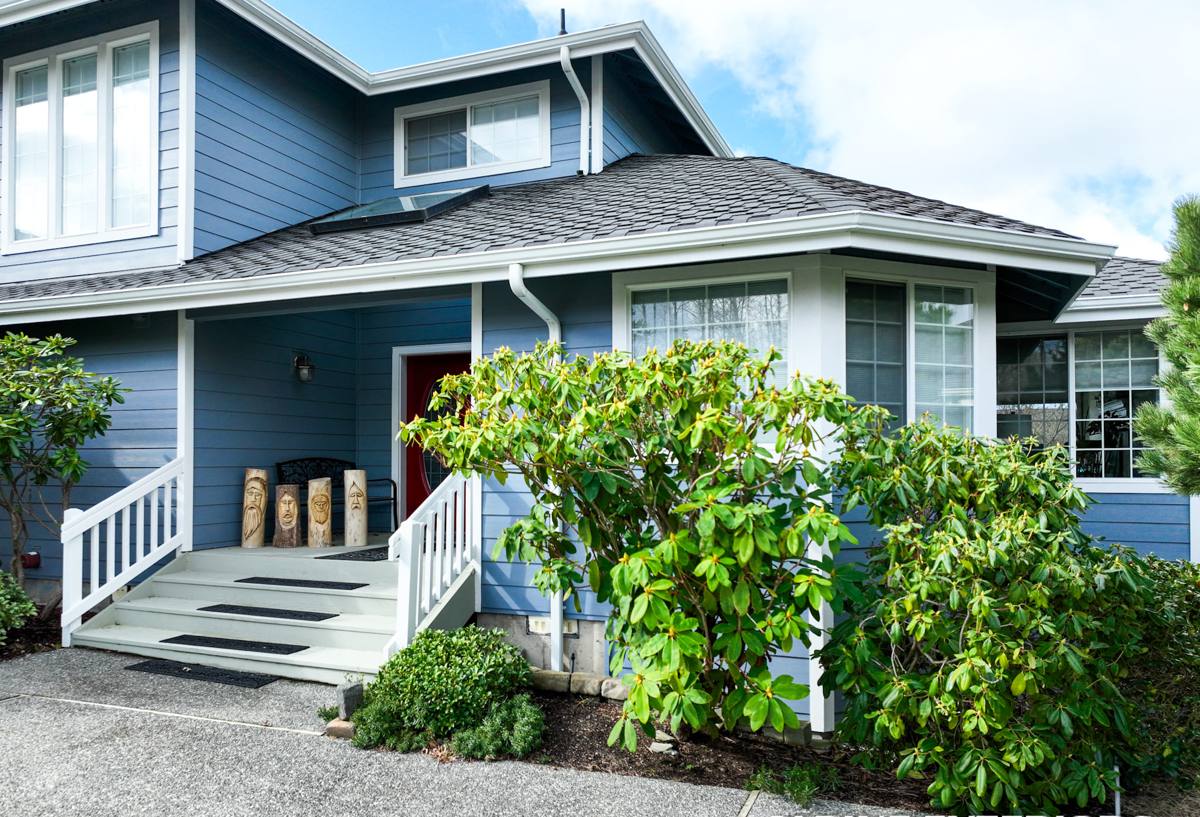
What Bradenton-Area Homes Are Actually Up Against
Wind-Driven Rain and Water Intrusion
Vertical rain is rarely the problem in this region — it's rain pushed horizontally into siding laps, corners, and penetrations during tropical storms and summer squalls. If the weather-resistive barrier behind the siding isn't lapped correctly, or if flashing around windows and doors is missing or reversed, water finds its way behind the cladding. Once moisture gets trapped against sheathing in a humid climate like Bradenton's, it doesn't dry out on its own — it sits, and it starts to cause rot, mold, and fastener corrosion long before anyone sees a stain on the outside.
Sustained UV Exposure
Florida sun is relentless on painted and coated surfaces. Field-applied paint on wood or engineered wood siding chalks, fades, and cracks faster here than almost anywhere else in the country, which means more frequent repainting and more opportunities for moisture to get in through hairline cracks in the finish.
Salt Air Corrosion
Ellenton's proximity to the Manatee River and Tampa Bay means airborne salt is a real factor, even a few miles inland. Salt accelerates corrosion of fasteners, trim flashing, and any metal components in the wall assembly. Materials and hardware that aren't rated for coastal exposure age faster and fail sooner.
Wind Load During Storm Season
Manatee County sits in a hurricane-exposed wind zone. Siding that isn't fastened to the manufacturer's specified pattern and spacing — or that isn't rated for the wind pressures the local building code requires — can lift, crack, or blow off in a storm, exposing the sheathing underneath to direct water intrusion at the worst possible time.
Why We Install Only James Hardie Fiber Cement
We don't carry vinyl, LP SmartSide, primed wood, or cedar siding, and that's a deliberate standard, not an oversight. Fiber cement is non-combustible, dimensionally stable, and doesn't absorb and release moisture the way wood-based products do — which matters enormously in a humid, storm-exposed climate. James Hardie's HZ5 product line is specifically engineered for high-humidity, high-moisture regions like ours, and their ColorPlus factory-applied finish is baked on under controlled conditions rather than brushed on outdoors, which gives it far better UV and fade resistance than field-applied paint. Backed by a strong transferable limited warranty when installed to spec, it's the product we're comfortable standing behind on Ellenton homes for the long haul.
What a Correct Siding Installation Actually Involves
The siding itself is only part of the system. Most siding failures we're called to diagnose in this area trace back to installation shortcuts, not the material. A correct job includes:
- Full tear-off and inspection of the sheathing underneath, not installation over existing damaged siding
- A continuous, properly lapped weather-resistive barrier — every seam shingled to shed water downward
- Correct flashing at every window, door, and penetration, integrated with the barrier rather than just caulked over
- Manufacturer-specified fastener type, length, and spacing, driven into framing, not just sheathing
- Proper clearance between the bottom of the siding and grade, roofing, decks, and other horizontal surfaces to prevent wicking moisture
- Correct panel gaps and caulking at butt joints, sized for Florida's thermal expansion and contraction
- Factory-finished cut edges sealed per Hardie's specification to maintain warranty coverage
Skip any one of these steps and the siding may look fine for a year or two before problems start showing up — usually right around the next hurricane season.
Our Process on an Ellenton Job
1. On-Site Assessment
We walk the exterior, check for existing moisture damage, evaluate the current siding and sheathing condition, and identify problem areas like poorly flashed windows or trim that's already showing wear from sun and salt exposure.
2. Tear-Off and Sheathing Repair
Old siding comes off completely. Any water-damaged or compromised sheathing is identified and replaced before anything new goes on — covering up rotten sheathing with new siding just hides the problem, it doesn't fix it.
3. Weather Barrier and Flashing
A new, continuously lapped weather-resistive barrier goes on, with flashing integrated at every window, door, and penetration point. This step is what actually keeps wind-driven rain out of the wall assembly, and it's the step that gets rushed most often on lower-bid jobs.
4. James Hardie Installation
Panels or planks are installed to Hardie's fastening schedule and gap specifications, with attention to proper clearances at the foundation, roofline, and any trim transitions.
5. Trim, Caulking, and Punch List
Trim is fitted, joints are sealed with the appropriate sealant for Florida's heat and humidity, and we walk the finished job with the homeowner before calling it done.
Signs Ellenton Homeowners Should Watch For
Older siding in this area often shows trouble before it's visibly obvious. Common warning signs include soft or spongy spots when pressed, siding that's visibly bowed or separated from the wall, persistent staining below window sills, paint that's chalking heavily or peeling in sheets, and any siding that moved or cracked during a recent storm. None of these are cosmetic issues — they're indicators that water is already getting behind the cladding.
Cost Factors for Ellenton Siding Projects
Every home is different, but the factors that most influence the scope and cost of a siding installation are consistent. A written estimate after an on-site walk-through will always be more accurate than a rule of thumb, but this gives a sense of what moves the number:
| Factor | Why It Matters |
|---|---|
| Extent of sheathing damage found at tear-off | Rot or moisture-compromised sheathing must be replaced before new siding goes on |
| Home size and wall complexity | More corners, dormers, and trim details mean more labor and material waste |
| Siding profile chosen | Lap siding, shingle-style panels, and vertical board-and-batten carry different material and labor costs |
| Trim and accessory scope | Fascia, soffit, and window trim replacement adds scope beyond the field siding itself |
| Access and site conditions | Landscaping, fencing, and second-story access affect labor time |
Why a Crew That Already Works Ellenton Matters
Siding installation quality comes down to details that are easy to fake and hard to verify after the fact — how the barrier was lapped, whether flashing was integrated correctly, whether fasteners hit framing. A crew that's worked homes throughout the Bradenton area, including Ellenton, has already seen how local building conditions, humidity, and storm exposure play out over time, and adjusts accordingly instead of installing to a generic national spec. Before hiring anyone for a siding project in this area, it's worth checking a few things:
- Are they licensed and insured to work in Manatee County, and will they provide proof without hesitation?
- Do they install to the manufacturer's written fastening and flashing specifications, not just "how we always do it"?
- Will they show you the sheathing before it's covered, not just tell you it was fine?
- Do they carry manufacturer certification for the specific product being installed?
- Is the warranty they offer actually transferable, and do they explain what voids it?
After Installation: Keeping It Right
James Hardie siding installed correctly needs relatively little upkeep, but it's not zero-maintenance. Periodic rinsing removes salt residue and airborne grime before it builds up, caulked joints should be checked annually for cracking or separation, and any impact damage from storms or yard equipment should be addressed promptly rather than left exposed. Staying on top of these small things is what makes the difference between siding that looks new at year fifteen and siding that starts showing its age at year five.
If your Ellenton home needs new siding or you're not sure whether what's on the walls now is doing its job, we're happy to take a look. Reach out for a free, no-pressure estimate — we'll walk the exterior with you, tell you honestly what we find, and explain exactly what a correct installation would involve for your home.