 Bradenton
 Decks in Whitfield Estates Face a Different Kind of Wear
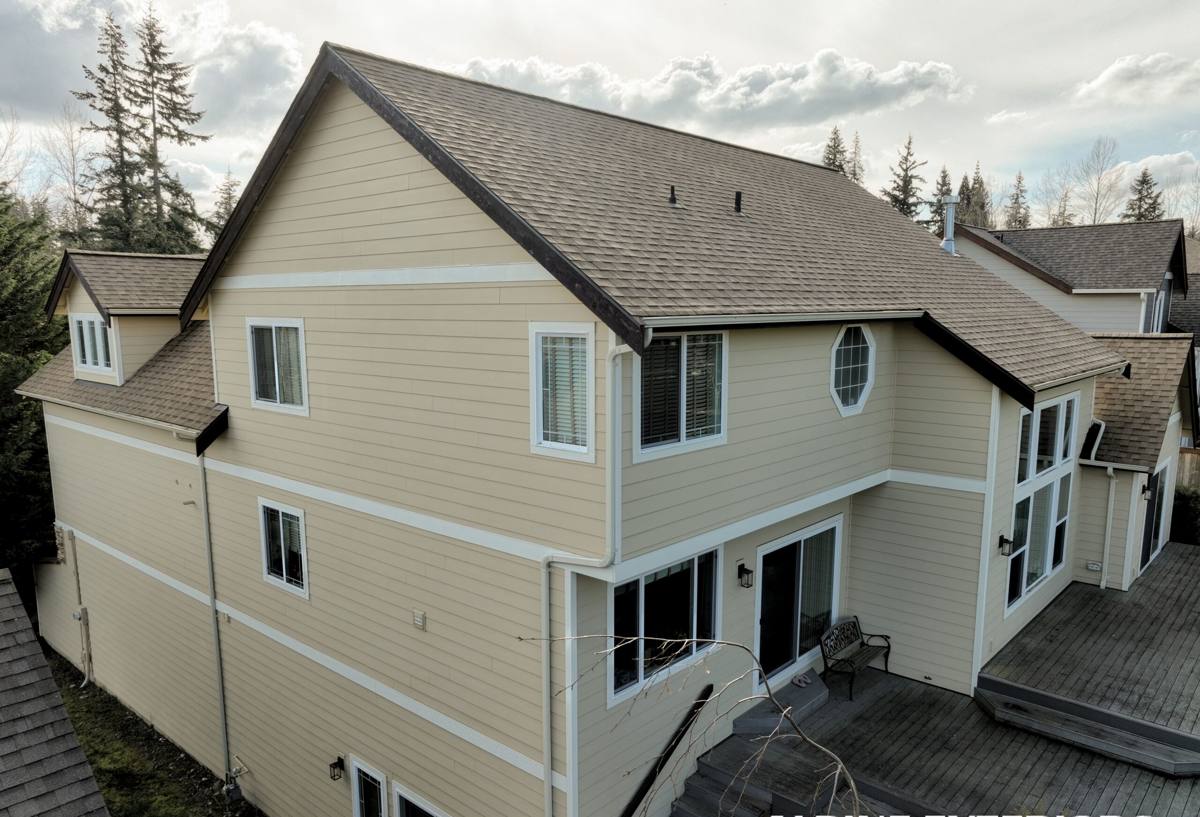
Whitfield Estates is one of Bradenton's older, established residential neighborhoods, and that shows in the decks. Many homes here were built decades ago with real wood framing and decking, later added onto or resurfaced as styles and budgets changed. That mix of original lumber, patched repairs, and newer add-ons is exactly where problems tend to hide. A deck that looks fine from the yard can have a completely different story happening underneath, at the ledger board, or where the posts meet the ground.
Manatee County's climate is hard on any outdoor structure, but decks take it worse than most because they're horizontal, exposed on all sides, and load-bearing. Between the intense year-round UV, the humidity, wind-driven rain that gets pushed sideways under railings and through gaps, and the salt air drifting in off the Gulf and Tampa Bay, a deck in this area ages faster than the same structure would inland. Add in the occasional hurricane-force wind event and you have a structure that needs to be inspected and maintained on a schedule, not just repaired when something finally breaks.
What Actually Wears Out First
Deck failures rarely start where homeowners notice them. The visible boards are usually the last thing to go. The parts that fail first are the ones you have to get down and look for:
- The ledger board where the deck attaches to the house — the single most common source of catastrophic deck failure when flashing is missing or has failed
- Post bases and footings, especially where wood sits in contact with soil or standing water after heavy rain
- Joist hangers and structural fasteners, which corrode faster in salt-laden coastal air than most homeowners expect
- Stair stringers, which carry concentrated foot traffic and often get less attention than the main deck surface
- Railing posts, which take direct wind load during storms and are frequently under-fastened from the original build
By the time decking boards are visibly cupping, splitting, or spongy underfoot, there's a good chance the framing underneath has already been compromised for a while.
Signs Your Deck Needs Repair Now, Not Later
Some warning signs are cosmetic and can wait for a normal maintenance cycle. Others mean the structure is no longer performing the way it should and needs attention before the next storm or the next holiday gathering that puts a crowd on it.
Structural Warning Signs
Bounce or noticeable movement when you walk across the deck, railings that flex or feel loose when you lean on them, gaps opening up where the deck meets the house, and any visible rust streaking from fasteners are all signs the framing needs to be evaluated, not just the surface.
Surface and Material Warning Signs
Soft or spongy spots in decking boards, deep splits that catch water, fastener heads popping up above the board surface, and finish that's worn through to bare gray wood are signs of material fatigue. These can often be repaired at the board level if caught early, before moisture works its way into the framing below.
What a Correct Deck Repair Actually Involves
A repair that only replaces the boards you can see is a cosmetic fix, not a structural one. A correct repair starts from the ground up:
1. Inspection From Below
We get underneath the deck whenever access allows and check the framing, connections, and ledger attachment directly, rather than guessing from the top side. This is where the real condition of the deck shows up.
2. Moisture and Rot Mapping
Rot doesn't always announce itself with obvious softness. We probe suspect areas, check around every post base and the ledger connection, and identify how far compromised wood extends before cutting anything out.
3. Structural Repair First
Any repair or replacement of framing, hangers, ledger flashing, and post connections happens before surface work. There's no point installing new decking over framing that hasn't been brought back to a sound, code-appropriate condition.
4. Surface Repair or Replacement
Once the structure underneath is solid, we address the decking itself — replacing individual damaged boards, resurfacing sections, or, when enough of the deck has aged out at once, replacing the full deck surface.
5. Fastening and Finish
Correct fastener choice and finish application are what determine how long the repair lasts in this climate — more on that below.
Wood, Composite, and Fastener Considerations for This Climate
Whitfield Estates has a mix of original wood decks, later composite additions, and some concrete or paver patios that function as decks but have their own repair considerations. Each material behaves differently once heat, humidity, and salt air get involved, and repair decisions should match the material actually on your house rather than a one-size-fits-all approach.
| Material | Common Failure Mode Here | Repair Approach |
|---|---|---|
| Pressure-treated wood | Rot at ground contact points, UV graying, board cupping | Replace compromised framing/boards; re-seal exposed cuts; maintain sealer schedule |
| Composite decking | Fastener pull-through, heat expansion gaps, substrate rot underneath | Check hidden framing condition first; re-fasten per manufacturer spacing; address drainage |
| Concrete/paver decks & patios | Cracking from soil movement, salt-driven spalling, drainage pooling | Patch or re-grade for drainage; seal against salt intrusion; address underlying settlement |
One thing we're upfront about: we won't install fasteners or hardware that isn't rated for coastal, treated-lumber contact, even if it's cheaper and faster. Standard interior-grade screws and hangers corrode quickly against treated wood in salt air, and a repair built on the wrong hardware fails again within a season or two. We use fasteners and connectors rated for exterior, treated-lumber, coastal exposure — it costs a bit more up front and saves the homeowner from paying for the same repair twice.
Our Whitfield Estates Deck Repair Process
Working a neighborhood like Whitfield Estates regularly means we're familiar with the age range of homes here, the typical deck construction from different build eras, and the access and layout patterns common in the area. That familiarity speeds up diagnosis and keeps estimates accurate.
- On-site inspection — we walk the deck, get underneath where possible, and check the ledger, posts, and railings by hand, not just by eye.
- Written scope and estimate — you get a clear breakdown of what's structural, what's cosmetic, and what it costs, with no pressure to upsell repairs you don't need.
- Permitting, when required — structural deck work in Manatee County often requires a permit; we handle that process rather than leaving it to the homeowner.
- Repair execution — structure first, then surface, then fasteners and finish, in that order every time.
- Final walkthrough — we test the repaired sections under load and walk the deck with you before calling the job done.
Cost Factors in Deck Repair
Deck repair costs vary widely depending on what's actually wrong, and honest contractors won't quote a firm number until they've inspected the structure. That said, homeowners deserve to understand what drives the price up or down.
| Factor | Why It Matters |
|---|---|
| Extent of hidden framing damage | Ledger and post repairs cost more than board swaps but are non-negotiable for safety |
| Access underneath the deck | Low clearance or enclosed skirting slows inspection and repair work |
| Material match | Matching existing wood species or composite color/profile can affect sourcing time |
| Permit requirements | Structural repairs often need inspection sign-off, adding time but protecting the homeowner |
| Deferred maintenance history | A deck that's gone years without sealing or fastener checks usually has more to fix |
As a general range, small board-level repairs are the least expensive category, structural repairs to framing or ledger connections run higher, and full deck resurfacing sits at the top of the range. We'll always give you the specific number after a real inspection rather than a phone estimate.
Keeping a Repaired Deck Sound in This Climate
A repair is only as good as the maintenance that follows it. In a climate like Bradenton's, decks need more frequent attention than they would in a drier, cooler region.
- Reseal or restain wood decking on a regular schedule — UV exposure here breaks down finishes faster than most product labels assume
- Keep gutters and downspouts clear so water isn't dumping directly onto or under the deck
- Sweep debris out from between boards and off ledger flashing after storms
- Check railing posts and stair stringers for movement at least once a year
- Rinse salt residue off hardware and railings periodically, especially after windy weather off the water
- Address small soft spots or loose fasteners immediately rather than waiting for the next inspection cycle
Why a Local Bradenton Crew Matters for This Job
Deck repair is one of those jobs where local, hands-on experience actually changes the outcome. A crew that regularly works Whitfield Estates and the surrounding Bradenton area has already seen how homes here were built, what deck framing from different decades typically looks like once opened up, and how Manatee County's permitting process handles structural repairs. That's different from a traveling crew pricing the job over the phone or a handyman without deck-specific structural training.
We also know this climate isn't optional context — it's the reason certain repairs need to be done a specific way. Fastener choice, flashing detail, and finish selection all get decided differently for a deck that sees Bradenton's UV, humidity, and salt air than they would for the same deck built somewhere inland. Getting those details right the first time is what keeps a repair from turning into a repeat visit.
If you've got a deck in Whitfield Estates that's showing wear, feels less solid than it used to, or just needs an honest second opinion before your next gathering, we're glad to take a look. Reach out for a free, no-pressure estimate using the form below — we'll walk the deck, tell you straight what's structural versus cosmetic, and give you a clear plan either way.