 Bradenton
 A deck in Southgate lives a harder life than the framing lumber it started as. Between summer thunderstorms that roll in almost daily, salt-laden air drifting in off the Gulf, and sun that beats down on exposed boards nearly year-round, an outdoor structure here ages faster than the same deck would in most other parts of the country. Deck repair in this part of Bradenton is not just about fixing what looks bad on the surface — it is about finding what the weather has already done underneath, before it becomes a safety issue.
Why Southgate Decks Take a Beating
Southgate sits close enough to the coast that salt air is a constant factor, even on days that feel dry. Salt accelerates corrosion in fasteners, brackets, and any exposed metal hardware, which is often the real reason a deck starts to feel loose or spongy long before the boards themselves look worn out. Add Manatee County's intense UV exposure and the wood-drying, joint-loosening cycle of near-daily summer rain, and you have three separate stresses working on the same structure at once.
Wind is the fourth factor. Southgate homes are built to withstand hurricane-force gusts, but a deck is only as strong as its weakest connection point. Repeated wind loading over the years works screws and bolts loose, flexes railings, and can rack a structure just enough to open gaps where water intrudes. None of this happens overnight — it is a slow accumulation that shows up as small problems for years before it becomes a bigger one.
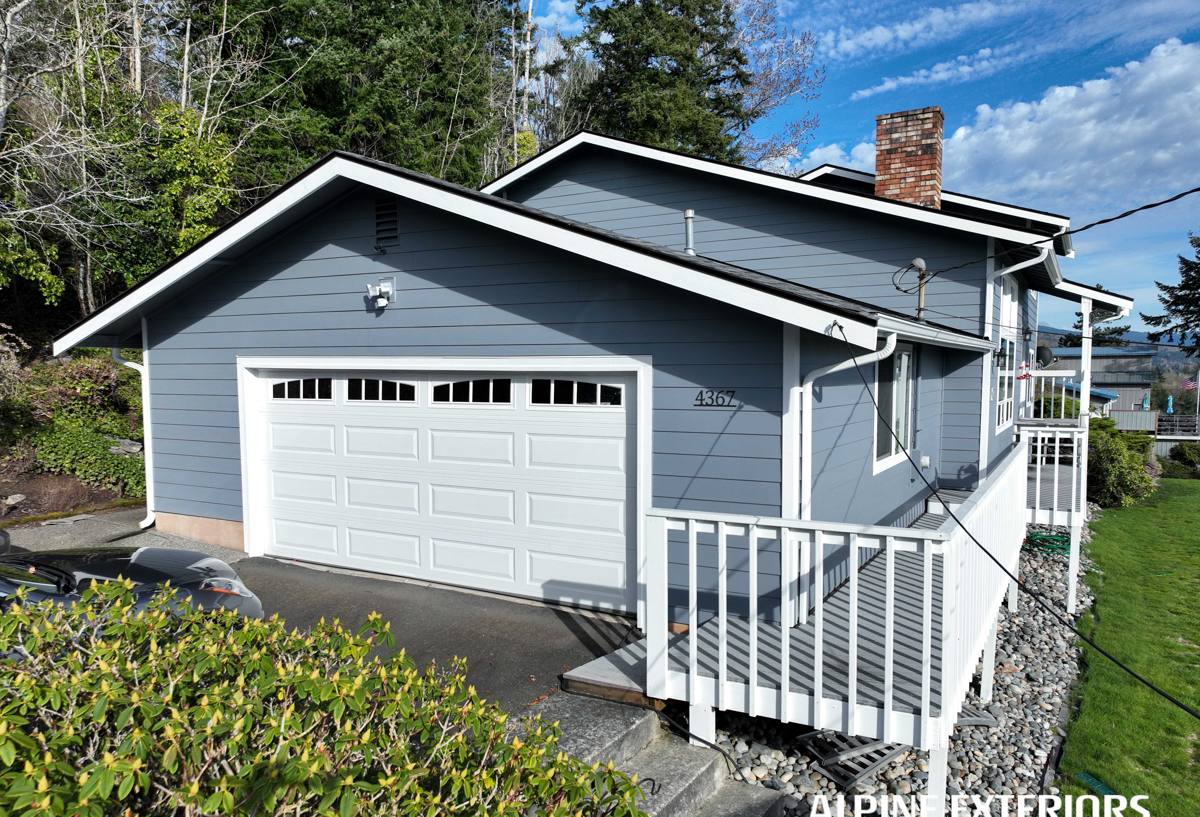
Common Deck Problems We See in Southgate
Wood Decking and Framing
Pressure-treated wood decking and framing are common throughout Bradenton because they are affordable and familiar, but they need consistent maintenance to hold up to this climate. The problems we see most often are surface checking and splintering from UV exposure, soft or spongy boards from trapped moisture, and rot at the ledger board where the deck attaches to the house — a spot that rarely dries out fully after wind-driven rain.
Composite and Capped-Composite Decking
Composite boards resist rot better than wood, but they are not maintenance-free in this climate. We see fading and color change from sustained UV exposure, movement and buckling where boards were not fastened with the correct expansion gaps for our heat swings, and mildew staining in shaded, poorly ventilated sections that never fully dry out between rains.
Fasteners, Brackets, and Hardware
This is the part homeowners rarely think to check, and it is usually where the real damage is. Standard or under-rated fasteners corrode quickly this close to the coast, and once a joist hanger or ledger bolt starts to rust, it loses holding strength well before it looks obviously bad. A deck can look fine on top and still have compromised connections underneath.
Railings and Stairs
Railing posts take direct wind load and constant hand contact, which loosens their connection to the framing over time. Loose or wobbly railings, along with stair stringers that have started to separate from ledger or landing points, are among the most common safety-related repairs we handle.
What a Correct Deck Repair Actually Involves
A repair that only replaces the boards you can see is a repair that will need to be done again soon. Doing it correctly means starting below the surface.
- Full structural inspection of framing, joists, beams, and posts — not just a visual check, but probing for soft or rotted wood
- Close inspection of the ledger board connection to the house, since this is the single most common point of hidden water damage
- Checking every fastener and bracket for corrosion, not just the ones that are visibly rusted
- Confirming footings and post bases haven't shifted or settled, especially on older decks
- Verifying railing posts meet current attachment and spacing standards, since older decks were often built before today's code updates
- Matching repair materials and fastener ratings to actual coastal exposure, not just what's cheapest at the local supply yard
Skipping any one of these steps is how a deck ends up with a repair bill again in two or three years instead of ten.
Repair or Replace? What Actually Determines the Answer
Not every deck problem calls for a full rebuild, and not every deck is worth saving as-is. The decision usually comes down to how much of the structural framing is still sound versus how much of the damage is cosmetic.
| Factor | Usually Repairable | Usually Needs Replacement |
|---|---|---|
| Framing & joists | Isolated soft spots, one or two damaged members | Widespread rot or corrosion across the frame |
| Ledger board | Localized moisture damage caught early | Long-term water intrusion behind the house wall |
| Decking boards | Scattered splintering, staining, or a few failed boards | Majority of boards cupping, splitting, or spongy |
| Fasteners/hardware | Isolated corrosion caught during inspection | Systemic corrosion throughout the structure |
| Railings | Loose posts with sound surrounding framing | Posts pulling away from rotted or failed framing |
| Age & code status | Structure is sound, just needs updating | Deck predates current attachment/railing codes significantly |
Where a deck falls on this table depends on how it was originally built and how consistently it has been maintained — two decks of the same age in Southgate can be in very different condition depending on their original construction quality and hardware choices.
Our Deck Repair Process
- Inspection and assessment. We check the full structure — framing, ledger, fasteners, footings, decking, and railings — and explain honestly what we find, including what can wait and what shouldn't.
- Written scope and estimate. You get a clear breakdown of what's being repaired and why, with no pressure to upsell into a full replacement you don't need.
- Structural repairs first. Framing, ledger, and hardware issues get addressed before any cosmetic work, since a good-looking deck built on compromised framing is not a repair worth doing.
- Decking, railing, and stair work. Damaged boards, loose railings, and stair connections are repaired or replaced to match the existing structure as closely as possible.
- Final walkthrough. We go over the completed work with you, including any maintenance recommendations specific to how your deck sits relative to sun and rain exposure.
Materials and Hardware We Use
Material choice matters as much as workmanship in this climate. For framing repairs, we use pressure-treated lumber rated for ground contact where appropriate, and we're selective about fastener grade — standard zinc-coated screws corrode faster than stainless steel or high-grade coated fasteners this close to the coast, and the cost difference is small relative to how much longer they last. For decking repairs, we'll talk through wood versus composite honestly: wood costs less upfront but needs regular sealing and inspection, while composite costs more initially but handles moisture and UV with less ongoing maintenance. Neither is automatically the right answer — it depends on your budget, how much upkeep you want to do, and the specific exposure of your deck.
We're also careful about installation details that manufacturers specify but installers sometimes skip — proper expansion gaps on composite boards, correct fastener spacing, and ledger flashing that actually sheds water instead of trapping it against the house. These details are invisible once the job is done, but they're the difference between a repair that lasts and one that doesn't.
What Affects the Cost of a Deck Repair
Every Southgate deck is different, so a fair price depends on what our inspection actually finds rather than a flat per-square-foot rule of thumb. A few factors tend to move the number more than homeowners expect. The extent of hidden damage matters most — a repair that stays contained to a few boards costs far less than one that turns up compromised framing once we open things up. Material choice plays a role too, since composite decking generally costs more per board than pressure-treated wood, though it usually needs less frequent attention afterward. Access and the height of the deck affect labor time, and any work that touches the ledger board or requires re-securing the connection to the house tends to take longer than surface-level repairs. We won't know the real scope until we've inspected the structure in person, which is exactly why we start every job with an honest assessment instead of a guess.
Maintenance Checklist for Southgate Homeowners
Between repairs, a few simple habits go a long way toward stretching the life of a deck in this climate.
- Walk the deck a few times a year and check for soft, spongy, or bouncy spots underfoot
- Look underneath at the ledger board connection after heavy storms for signs of new moisture staining
- Check railing posts by hand for any give or wobble, especially after high-wind events
- Rinse salt residue off decking and hardware periodically, particularly after dry, windy stretches
- Reseal or re-stain wood decking on the schedule the product actually requires, not just when it looks faded
- Clear leaves and debris from between boards so moisture doesn't stay trapped against the framing
Why a Crew That Already Works Southgate Makes a Difference
Deck repair here isn't the same job it would be inland. A crew that regularly works in this part of Manatee County already knows which fastener grades hold up, which ledger details fail first in salt air, and how local permitting and inspection expectations apply to deck and railing work. That familiarity means fewer surprises mid-project, fewer repairs that have to be redone because of code issues, and a more accurate estimate from the first walkthrough — because we've already seen how Southgate's climate treats decks like yours.
If your deck has soft spots, loose railings, or just isn't holding up the way it used to, we're happy to take a look. Reach out using the form below for a free, no-pressure estimate — we'll tell you honestly what needs attention and what can wait.