 Bradenton
 Why Mill Creek Windows Take More Punishment Than a Spec Sheet Assumes
Mill Creek homes sit close enough to the Gulf that salt air is part of daily life, even on streets that never see standing water in a storm. Add Bradenton's long stretch of intense summer UV, the wind-driven rain that comes sideways during a squall, and the occasional hurricane-force gust, and you've got a combination that ages windows faster than almost anywhere else in the country. A window rated for a mild climate simply wasn't engineered for this.
Most of the window failures we see in this neighborhood aren't dramatic. It's not a window blowing out in a storm — it's the slow stuff: seals that give out two or three years early, frames that chalk and pit from UV exposure, hardware that corrodes because it was never spec'd for salt-laden air, and glass units that fog between the panes because the seal failed under constant humidity and temperature swings. Custom windows done right in Mill Creek account for all of that up front, not just the wind rating on the label.
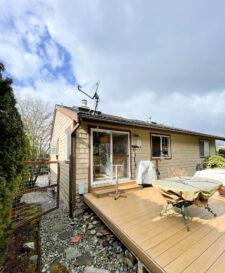
What "Custom" Actually Means for Your Windows
"Custom" doesn't just mean a non-standard size, though that matters — a lot of Mill Creek homes have openings that don't match current stock dimensions, especially if the house has settled or been through a prior renovation. Custom also means:
- Frame material and finish matched to the home's sun exposure and proximity to salt air, not just what's cheapest to stock
- Glass package selected for the specific wall's orientation — west-facing rooms need different solar control than shaded north walls
- Hardware and fasteners rated for coastal corrosion resistance, not standard-grade hardware that looks fine for the first year
- A frame depth and flashing detail that actually matches your wall assembly, instead of a generic retrofit that leaves gaps for wind-driven rain to find
Ordering "whatever's in stock" for a Mill Creek home usually means re-doing the job in five to eight years instead of twenty.
Impact-Rated Glass: What Manatee County Actually Requires
Manatee County falls within Florida's wind-borne debris region under the Florida Building Code, which means most new and replacement windows in this area need to either be impact-rated or paired with approved storm protection. This isn't a Bradenton-specific quirk — it's a statewide response to how often coastal Florida gets hit with debris-carrying wind events. What it means practically for a Mill Creek homeowner is that your window choice isn't just about looks or energy performance; it has to clear a code review tied to your specific wind zone and exposure category.
We pull the correct wind load and design pressure requirements for your address before we ever quote glass, because two homes a few blocks apart in Mill Creek can carry different exposure ratings depending on what's around them — open field, tree cover, or proximity to water. Guessing here either means overpaying for glass you don't need or installing windows that won't pass inspection.
Laminated vs. Standard Impact Glass
Impact-rated windows almost always use laminated glass — two panes bonded around an interlayer so the glass can crack under debris impact without opening a hole in the wall. That interlayer also cuts a meaningful amount of UV transmission and outside noise, which is a real bonus in a neighborhood that gets both strong sun and occasional storm activity. It's a heavier, more expensive unit than standard tempered glass, but it's doing more than one job.
Frame Material Trade-Offs for Salt Air and Humidity
There's no single "best" frame material for every Mill Creek house — it depends on your budget, your home's style, and how close you are to open water. Here's how the common options actually hold up in this climate:
| Frame Material | Salt Air / Corrosion Resistance | UV / Fade Resistance | Maintenance |
|---|---|---|---|
| Vinyl | Very good — won't corrode | Good on quality product; cheap vinyl can yellow and go brittle | Low |
| Aluminum | Good with proper coating; raw aluminum pits over time near the coast | Very good, holds color well | Low to moderate |
| Fiberglass | Excellent — dimensionally stable, doesn't corrode | Very good | Low |
| Wood / Wood-Clad | Poor unless fully clad and well-maintained | Fair — interior wood can still fade | High |
We steer most Mill Creek clients away from bare wood exposure and unsealed aluminum, not because those materials are bad products, but because this climate is unusually hard on anything with a maintenance schedule attached to it. If you want a wood look, a wood-clad or fiberglass option with a factory finish gets you the appearance without the upkeep burden.
Signs Your Current Windows Are Already Failing
A lot of Mill Creek homeowners call us after noticing one issue, not realizing it's usually a symptom of several windows aging out at once. Before you decide whether to repair or replace, walk your house and check for:
- Fogging or a visible haze between the panes of double-pane windows (a failed seal — this can't be cleaned out)
- Chalky, powdery residue on the frame surface when you wipe it with a dark cloth (UV breakdown of the finish)
- Difficulty opening, closing, or locking, especially on the sides that get the most sun
- Visible corrosion or discoloration around hinges, latches, or screws
- Soft or discolored drywall, trim, or sill area below or beside the window (a sign water is getting past the seal)
- A noticeable draft or temperature difference near the window on a windy day
- Noise transmission that seems louder than it used to be, which often means the seal or glass unit has degraded
One or two of these on a single window might just need a repair. If you're seeing this pattern across multiple windows on the same side of the house, that's usually an exposure issue affecting the whole run, and replacement as a set is often the more cost-effective call.
How We Handle a Mill Creek Window Job, Start to Finish
1. On-Site Assessment
We measure every opening individually — homes in this neighborhood are rarely perfectly square after years of Florida heat cycling — and check the wall assembly behind the existing window, not just the visible trim. We also note sun exposure per elevation, since that changes our glass recommendation window by window.
2. Product Selection and Engineering
Once we know your wind zone and exposure category, we present options that meet code at your budget level rather than upselling the highest-spec product across the board. Not every window on the house needs the same glass package.
3. Permitting
We pull the required permit and submit the engineering documentation before installation starts. This isn't optional paperwork — it's what protects you if there's ever an insurance claim or a future home sale where buyers ask for permit history.
4. Removal and Installation
We remove the old unit down to the rough opening, check for hidden water damage or rot (common in older wood-framed openings in this area), repair what we find, and install with flashing and sealant details matched to your wall type — not a generic bead of caulk around the edge.
5. Final Inspection and Walkthrough
We schedule the county inspection, walk you through operation and care for your specific frame material, and make sure you have your permit documentation for your records.
Permits, Inspections, and Why That Paperwork Protects You
It's tempting to skip permitting on a window swap, especially if a contractor offers to do it "off the books" for a lower price. In Manatee County, that shortcut can cost you later: unpermitted window work can complicate a home sale, cause issues with a windstorm insurance claim, and in some cases void the manufacturer's warranty outright, since many manufacturers require proof of code-compliant installation. A properly permitted, inspected installation is also one of the few upgrades that can help with your windstorm insurance mitigation credits, which is worth asking your insurer about once the work is done and documented.
Why Hiring a Crew That Already Works Mill Creek Matters
Window installation looks similar everywhere on paper, but the details that determine whether a window lasts 10 years or 25 years in this specific pocket of Bradenton come from having done the work here before — knowing which streets sit in higher wind exposure, which older homes tend to have rot hiding behind the trim, and which flashing details actually keep wind-driven rain out during a real storm instead of just a light shower. A crew unfamiliar with Manatee County's permitting process or this area's building stock is more likely to miss something that only shows up two years later.
We're not guessing at wind loads or improvising flashing details when we're on a Mill Creek roof — it's work we've done on homes like yours, in this same weather, more than once.
Getting Started
If you're weighing a repair versus a full replacement, or just want a straight answer on what your current windows can handle before the next storm season, we're happy to take a look. Reach out for a free, no-pressure estimate using the form below, and we'll walk your home with you and lay out real options — no obligation.