 Bradenton
 Why Longboat Key Decks Take a Different Kind of Beating
A deck on Longboat Key doesn't live in the same world as a deck a few miles inland. This is a barrier island, with Gulf of Mexico surf on one side and Sarasota Bay on the other, which means salt-laden air is moving across every board, fastener, and railing post nearly around the clock. Add in the intense, near-constant Florida UV, the wind-driven rain that comes with our summer storms, and the real possibility of hurricane-force wind loads, and you have an outdoor structure that's under attack from four directions at once — sun, salt, water, and wind.
Homeowners throughout Manatee County deal with tough weather, but island properties get an amplified version of it. Salt air accelerates corrosion in metal fasteners and hardware far faster than it does even a few miles inland in Bradenton proper. UV breaks down the surface of wood and lower-grade composite faster in full, unshaded Gulf exposure. And wind-driven rain doesn't just fall on a deck — it drives sideways into ledger connections, railing posts, and any gap in the flashing. A deck built without those specifics in mind will show problems years before it should.
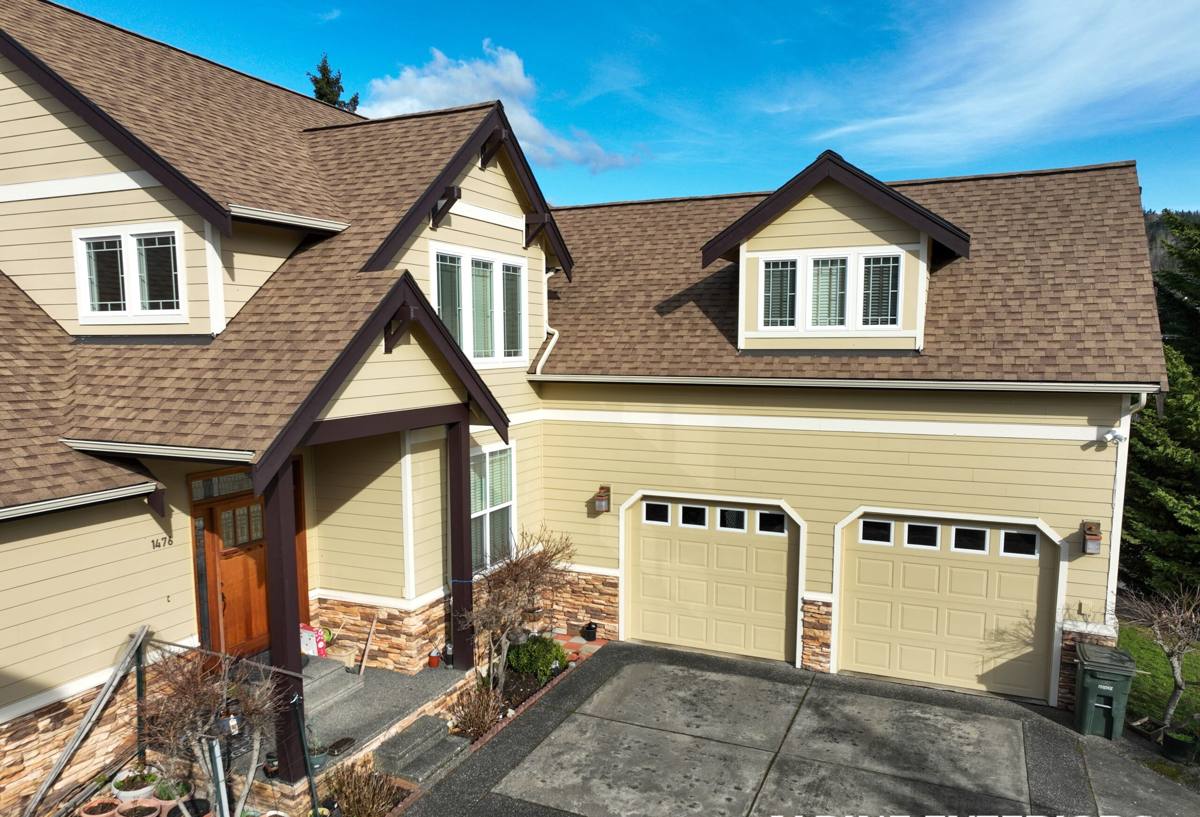
What a Deck Built for This Island Actually Needs
A correctly built Longboat Key deck isn't just a nicer version of a standard deck — it's built with different assumptions from the ground up. That means:
- Structural framing and connections engineered for coastal wind loads, not just standard residential loads
- Corrosion-resistant fasteners and hardware throughout, not just where it's visible
- Proper ledger board flashing where the deck attaches to the house, so wind-driven rain can't work its way into the wall framing
- Decking and railing materials chosen for how they actually hold up under salt spray and constant sun, not just how they look on day one
- Footings and post connections sized for the sandy, often lower-elevation soil common to barrier island lots
Skip any one of these and the deck may still look fine for a season or two. The failures on coastal decks tend to start invisibly — inside a ledger connection, inside a post base, in a fastener head — long before they show up as a visible problem.
The Ledger Connection Is the Most Important Detail You Won't See
Where a deck attaches to the house is the single most common source of long-term damage on any deck, and it matters even more here. If that connection isn't flashed correctly, wind-driven rain finds its way behind the siding or stucco and into the house framing, where it can sit and rot quietly for years in our humidity before anyone notices a soft spot or a stain. This is not an area to save money on.
Choosing the Right Decking Material for Salt Air and Sun
There's no single "best" decking material for every home — it depends on your budget, how much upkeep you want to do, and how exposed the deck is to direct salt spray and sun. Here's how the common options actually compare in this environment:
| Material | Salt Air / UV Performance | Maintenance | Typical Lifespan Here |
|---|---|---|---|
| Capped composite decking | Strong — cap layer resists fading and moisture absorption | Low — periodic washing, no sealing or staining | Long, with a manufacturer warranty backing it |
| PVC decking | Very strong — fully synthetic, doesn't absorb moisture | Low — similar to capped composite | Long; tends to run at a higher upfront cost |
| Tropical hardwood (e.g., ipe) | Naturally dense and rot-resistant, but still affected by UV graying | Higher — periodic oiling to maintain color and prevent surface checking | Long if maintained on schedule; shorter if neglected |
| Pressure-treated pine | Weakest of the four in salt-heavy, full-sun exposure | Highest — regular sealing and inspection | Shortest without diligent upkeep |
We'll be direct about trade-offs rather than pushing one product on every job. Pressure-treated pine is the least expensive option up front, but on a Gulf-front or bay-front lot with heavy salt exposure, it asks for more maintenance than most homeowners realistically keep up with — and when that maintenance lapses, the wood suffers for it. Tropical hardwoods look beautiful and hold up structurally, but they need real, scheduled care to keep that look. Capped composite and PVC decking cost more initially but ask the least of you over time, which is why they've become the most common choice for coastal Florida decks.
Framing, Fasteners, and the Hardware Nobody Sees
The decking boards are what you walk on, but the framing underneath and the hardware holding it together are what determine whether the deck survives a decade of salt air and storm season. On a Longboat Key project, that means:
- Stainless steel or hot-dip galvanized fasteners throughout — standard coated screws corrode faster in this environment and can stain the decking around them as they fail
- Hurricane ties and structural connectors at key framing joints, sized to the wind loads for our area, not generic inland defaults
- Post-to-footing connections engineered for uplift resistance, since Florida wind design is as much about the deck not lifting as it is about it not collapsing
- Footings sized appropriately for sandy, lower-elevation soil, which behaves differently than denser inland soil under load
None of this is visible once the deck is finished, which is exactly why it's worth asking a contractor directly what fasteners and hardware they use before signing anything.
Permits, Flood Zones, and the Coastal Construction Line
Longboat Key is its own incorporated town, straddling the Manatee County and Sarasota County line, and it runs its own building permit and inspection process for construction on the island. A deck project — especially one attached to the house or built above a certain height — typically needs a permit and inspections at key stages, and we handle that process as part of the job rather than leaving it to the homeowner to sort out.
Two things are worth knowing about up front on island properties:
- Flood zone designation can affect how a deck is engineered and, in some cases, whether certain construction is allowed below a set elevation. This varies lot by lot.
- The Coastal Construction Control Line (CCCL) applies to Gulf-front properties in Florida and can require separate state-level review for construction seaward of that line.
We check these specifics for your property before finalizing a design, rather than assuming every island lot is treated the same way.
Railings, Stairs, and Code Requirements
Any elevated deck needs a code-compliant guard rail, and this is an area where cutting corners creates both a safety issue and an inspection failure. Generally, this means a guard rail at a minimum height (commonly 36 inches for residential decks), baluster spacing tight enough that a small child can't pass through, and a graspable handrail on any stairs with enough steps to require one.
On a coastal deck, railing posts and their fasteners take some of the harshest direct weather exposure on the entire structure — full sun, direct rain, and salt spray with nothing to shield them. We treat railing hardware with the same corrosion-resistant standard as the framing underneath, because a railing that loosens over time isn't just an eyesore, it's a safety problem.
Our Process for Longboat Key Deck Projects
We keep the process straightforward and communicate what's happening at each stage:
- Site visit and design: we look at your home's construction, the deck's sun and wind exposure, and your flood zone before recommending materials and layout.
- Honest proposal: a clear scope and price range, with material options and trade-offs explained rather than a single take-it-or-leave-it package.
- Permitting: we handle the submission and coordinate inspections through the Town of Longboat Key's building department.
- Construction: framing, flashing, and hardware go in first — the parts you won't see but will rely on for years — followed by decking and railings.
- Final walkthrough: we go over the finished deck with you, including what maintenance it does and doesn't need going forward.
Because Longboat Key is accessed by a limited number of bridges and many homes here are seasonal or rental properties, we also plan material deliveries and work schedules around those realities — something that's easy to underestimate if a crew doesn't already work on the island regularly.
Maintenance: What It Takes to Keep a Coastal Deck Looking Right
Even a well-built, low-maintenance deck benefits from a little regular attention in this climate. A simple annual routine goes a long way:
- Rinse salt residue off decking and railings periodically, especially after storms or extended dry, windy stretches
- Inspect fastener heads and hardware for early signs of corrosion or staining
- Check the ledger board area where the deck meets the house for any discoloration, softness, or gaps in flashing or caulk
- Reseal or re-oil wood decking on the schedule recommended for that specific wood species
- Confirm railings and stair connections are still tight, particularly before hosting guests or after a active storm season
Composite and PVC decking cut most of this list down to occasional washing, which is a large part of why they've become the default choice for exposed island lots.
Why Hiring a Crew That Already Works Longboat Key Matters
A deck contractor who mostly builds inland can still frame a deck that looks fine on completion day. What's harder to get right without local experience is everything that only shows up after a few Gulf storm seasons: the right fastener grade, correct ledger flashing for wind-driven rain, hardware sized for actual coastal wind loads, and a permitting process run through a specific town office rather than a generic county process. We build decks on Longboat Key and throughout the Bradenton area regularly, and that familiarity is what keeps a project from becoming a lesson learned the hard way.
If you're planning a new deck or replacing one that's showing its age, we're happy to take a look and walk you through what makes sense for your specific property. Reach out for a free, no-pressure estimate using the form below.