 Bradenton
 Windows Built for a Working Waterfront Community
Cortez sits right up against the water on the Manatee County coast, and that location shapes everything about how windows perform there. This is a community of older fishing cottages, mid-century block homes, and newer waterfront builds all sitting within a few hundred yards of open water and tidal creeks. Salt spray, humidity, and direct sun are constant. Add in Gulf Coast hurricane season and the occasional tropical storm swinging through Bradenton, and a window that would be perfectly fine forty miles inland can fail early here — seals let go, frames pit and corrode, and glass takes a beating from UV long before it should need replacing.
Custom windows, done right for Cortez, aren't about fancy shapes or oversized glass for its own sake. They're about matching the window — frame material, glass package, hardware, and installation method — to a home that sits in one of the more demanding coastal exposures in Manatee County. That's the job we focus on here, not a generic window swap.
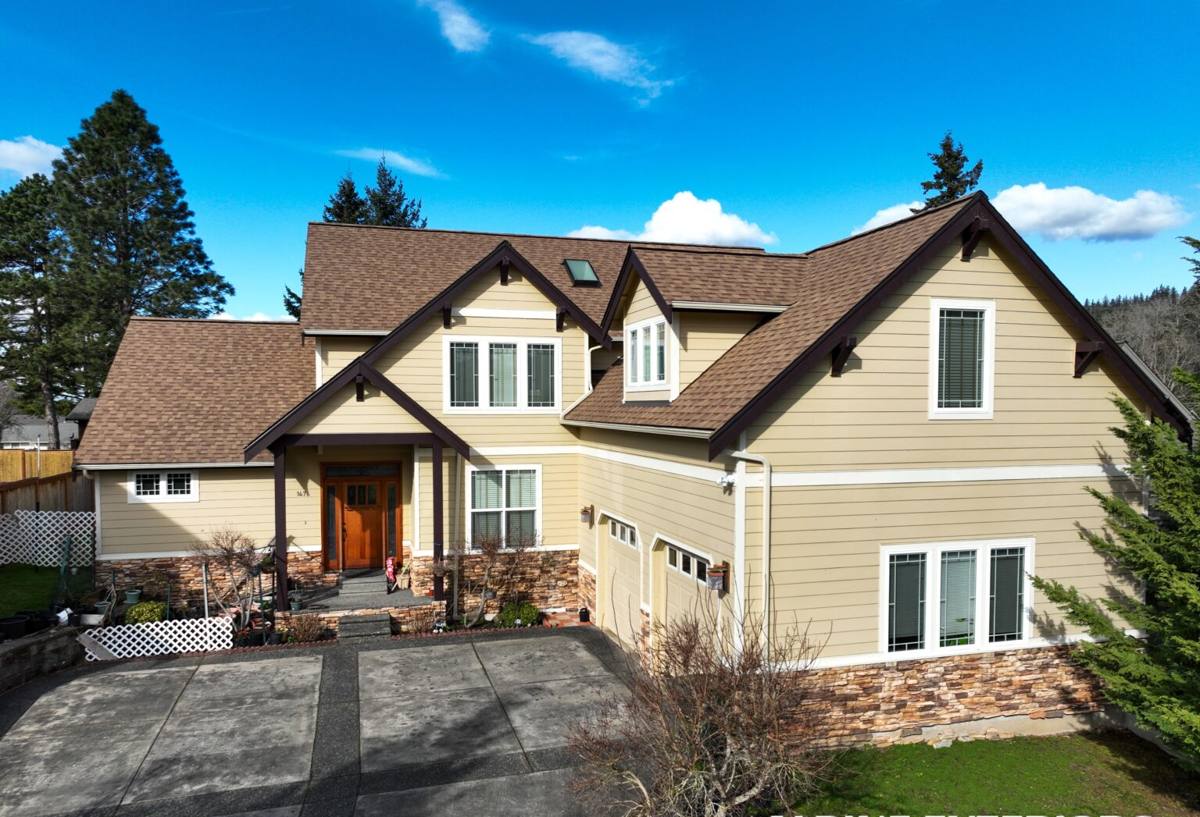
What "Custom" Actually Means on a Cortez Job
Most homes in this part of Bradenton weren't built to a modern, standardized set of window openings. Older cottages settle over decades, additions get bumped in without perfectly square framing, and waterfront lots often have unusual wall thicknesses or stucco buildups. "Off the shelf" windows rarely drop into these openings cleanly.
A custom approach means:
- Field-measuring every opening individually rather than assuming a standard size
- Accounting for out-of-square or out-of-level openings common in older Cortez homes
- Matching frame depth and exterior trim to the home's existing stucco, siding, or wood detailing
- Selecting glass tint and coatings based on which side of the house catches the most sun and salt spray
- Planning flashing and drainage specific to how water moves around that particular wall assembly
Skipping any of these steps is how you end up with a window that looks fine on install day but leaks, sticks, or corrodes within a couple of seasons.
The Climate Factors We Design Around
Wind and Storm Pressure
Cortez's direct water exposure means wind loads on window openings are higher than they'd be a few miles inland. Windows here need to be rated for the wind pressures and wind-borne debris protection that apply along our stretch of coast under the Florida Building Code — that's a factor in both the product we spec and how it's anchored into the framing, not just the glass itself.
Salt Air and Corrosion
Salt in the air settles on every exterior surface, including window hardware and frame fasteners. Standard hardware corrodes faster here than inland — hinges bind, locks stiffen, and uncoated fasteners can streak or fail years ahead of schedule. This is one of the biggest differences between a "coastal-rated" install and a standard one.
UV Exposure
Florida sun is intense year-round, and waterfront homes get little relief from tree cover. Constant UV breaks down cheap seals, fades interior finishes, and can shorten the working life of low-quality vinyl. Glass coatings and frame material both need to hold up to that exposure, not just look good on day one.
Wind-Driven Rain
Storms off the Gulf don't just bring wind — they push rain sideways into window assemblies at pressure. A window can be structurally sound and still leak if the flashing, sill pan, and sealant details around it weren't done correctly. This is one of the most common causes of hidden water damage we see in coastal Bradenton homes, and it's almost always an installation issue, not a product defect.
Frame Materials — What Actually Holds Up on the Water
| Frame Material | Coastal Performance | Maintenance | Best Fit |
|---|---|---|---|
| Vinyl (quality-grade) | Good corrosion resistance, no rust risk | Low — occasional cleaning | Most retrofits and budget-conscious upgrades |
| Aluminum | Strong but needs marine-grade coatings to resist salt pitting | Moderate — watch for corrosion at fasteners | Modern homes, larger openings |
| Fiberglass | Excellent — very stable in heat and salt exposure | Low | Long-term investment, high-exposure walls |
| Wood-clad | Attractive but vulnerable if cladding is breached | Higher — needs regular inspection | Historic-style homes wanting a wood look inside |
We don't push one material as the answer for every home. A shaded, inland-facing wall on a Cortez lot can often get by with a quality vinyl unit, while a wall facing open water year-round is usually better served by fiberglass or a properly coated aluminum system. Part of our job is telling you honestly which openings need the upgrade and which don't — not selling the most expensive option across the board.
What Drives Cost on a Cortez Window Job
| Factor | Why It Matters |
|---|---|
| Opening size and shape | Custom or oversized openings cost more to fabricate and install correctly |
| Impact rating | Impact-rated glass adds cost but reduces the need for separate shutters or panels |
| Frame material | Fiberglass and coated aluminum cost more upfront than standard vinyl |
| Number of openings | Whole-house replacements typically cost less per window than piecemeal jobs |
| Existing wall condition | Wood rot, old flashing failures, or stucco damage found during removal adds repair time |
We won't quote a number without seeing the openings — anyone who does is guessing. What we can tell you honestly is that homes closer to the water tend to need the higher end of the product spectrum to avoid paying for the same repair twice.
How We Handle a Cortez Installation
- Walkthrough and measurement — every opening measured individually, noting square, level, and wall condition
- Product selection — matching frame material, glass package, and hardware to that wall's actual exposure
- Removal — old windows come out carefully to protect surrounding stucco, siding, or wood trim
- Inspection of the opening — checking for hidden rot, old leaks, or flashing failures before anything new goes in
- Flashing and sill pan work — this is the step that actually stops wind-driven rain; it happens before the window ever goes in
- Setting and anchoring — anchored to meet the wind and pressure ratings that apply to that opening
- Sealing and finishing — exterior and interior trim matched to the home, with coastal-grade sealants
- Final check — operation, locks, and weatherproofing confirmed before we consider the job done
Permitting and Local Code Realities
Window replacement in Manatee County generally requires a permit, and coastal properties like those in Cortez fall under Florida Building Code wind-borne debris protection requirements. That means the product itself has to carry the right impact or pressure rating for that location, and the installation has to be documented and inspected — it's not just a matter of buying a window and screwing it into the wall. Older homes sometimes trigger additional review if the opening size changes or if the structure has had prior unpermitted work. We handle the permit process as part of the job so you're not left chasing paperwork or discovering a problem at resale.
Living With Coastal Windows — Maintenance That Actually Matters
Even a well-installed, correctly rated window needs some upkeep in a salt-air environment. A few habits go a long way toward protecting the investment:
- Rinse exterior frames and tracks periodically to clear salt buildup, especially after windy stretches off the water
- Check weep holes and drainage tracks so they aren't blocked by debris or paint
- Operate locks and hardware regularly rather than leaving them untouched for long stretches — movement helps prevent binding from corrosion
- Inspect exterior caulking and sealant lines once a year, and address cracking before the next storm season
- Watch for soft spots or staining on interior sills, which can signal a flashing or seal issue starting well before it becomes visible from outside
None of this is complicated, but it's easy to skip when a window looks fine on the surface. Catching small issues early is a lot cheaper than dealing with hidden water damage later.
Why It Matters That We Already Work This Neighborhood
Cortez is a small, tight-knit community, and the housing stock reflects decades of different building eras sitting close together — historic cottages, older block homes, and newer construction all facing the same water and weather. A crew that's already worked in the area brings a real advantage: familiarity with how these older openings are typically framed, what kind of hidden damage tends to show up once trim comes off, and how tidal exposure differs street to street even within a small footprint.
That local experience also means fewer surprises during the job. We're not learning the quirks of waterfront Manatee County construction on your project — we've already seen how salt air, wind, and sun treat window installations here, and we build the job around that instead of a generic playbook.
Get a Straight Answer on Your Cortez Windows
If you're dealing with windows that stick, leak, fog, or just look worn out from years of Gulf Coast sun and salt air, we're glad to come take a look. We'll give you a straightforward assessment of what your home actually needs — not a sales pitch — and a free, no-pressure estimate using the form below.