 Bradenton
 Board & Batten in Cortez: A Look That Fits the Village
Cortez has a look and feel that's different from a lot of Bradenton subdivisions — working waterfront, older Florida cottage lines, and homes that were built to sit close to the water. Board and batten siding, with its clean vertical lines and simple shadow reveals, fits that coastal-village character better than a lot of siding profiles. It reads as classic Florida fishing-village architecture rather than suburban tract housing, which is exactly why we get asked about it so often for homes in and around Cortez.
But the look is only half the story. A board and batten wall on a home two blocks from Sarasota Bay is doing a very different job than the same siding on a home well inland. It's holding back salt-laden air, taking direct sun for most of the day, and absorbing wind-driven rain during the summer storm season and any tropical system that pushes through Manatee County. Getting board and batten right here means treating it as a coastal weather system, not just a design choice.
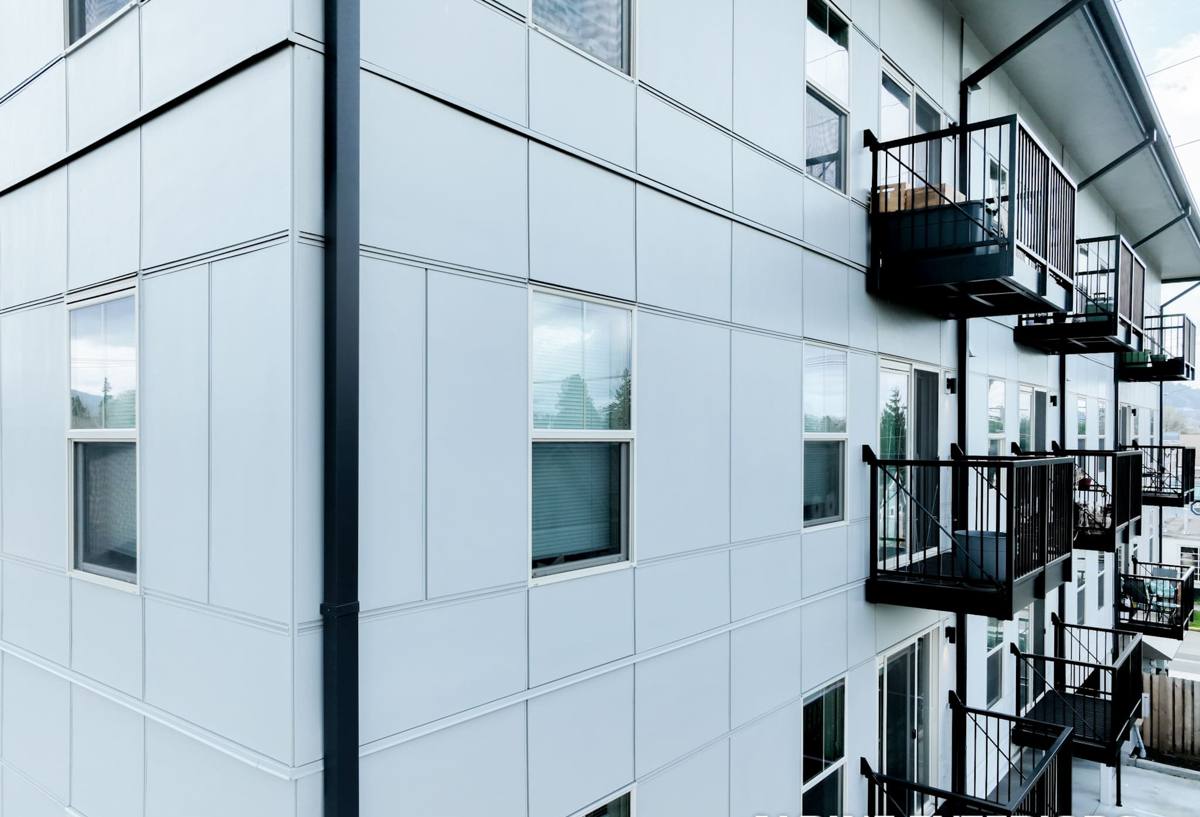
What Cortez's Climate Actually Does to This Siding Profile
Salt Air
Cortez sits close enough to the water that salt aerosol is a constant, low-level presence on exterior surfaces. Over time it accelerates corrosion of exposed fasteners and hardware and can degrade paint films and lesser siding materials faster than the same product would wear a few miles inland. Board and batten has more exposed vertical seams and batten edges than lap siding, so material choice and fastener quality matter even more.
Intense, Year-Round UV
Florida sun doesn't let up for months at a time the way it does farther north. UV breaks down cheap coatings, causes fading and chalking, and dries out and cracks materials that aren't engineered for it. On a vertical profile like board and batten, uneven fading between boards and battens is one of the most common complaints we see on lower-grade siding.
Wind-Driven Rain
Rain in this part of Manatee County rarely falls straight down during storms — it comes in sideways, driven by wind off the Gulf and the bay. That kind of rain finds every seam, lap, and batten joint on a wall. Board and batten has more vertical seams than a standard lap profile, so the water management behind the boards — not just the boards themselves — determines whether a wall stays dry.
Hurricane-Force Wind Loads
Cortez is in a wind-exposed coastal zone, and siding here has to hold up under real storm loading, not just decorative wind. Fastening pattern, panel attachment, and the structural nailing behind the battens all affect whether a board and batten wall stays intact in a named storm — this is not a place to cut corners on fastener spacing or type.
Why We Install Board & Batten in James Hardie, Not Wood or Vinyl
Board and batten is traditionally a wood profile, and it's also commonly offered in vinyl. We don't install either for Cortez homes, and it's worth being direct about why.
| Material | How It Handles This Climate | Long-Term Concern |
|---|---|---|
| Wood (cedar/spruce) | Attractive initially, but absorbs moisture at seams and end cuts | Rot, insect damage, and repainting cycles in a humid coastal climate |
| Vinyl | Low upfront cost, no rot risk | Warps and fades in constant UV; can crack or blow off in high wind; battens are often just a printed pattern, not true dimensional relief |
| James Hardie fiber cement | Engineered for Florida-belt climate exposure (HZ10 line), non-combustible, holds true dimensional batten profile | Correct installation and caulking maintenance still required, but material itself doesn't rot or warp |
Wood board and batten looks great on day one, but the vertical seams and exposed end grain are exactly where a humid, salt-exposed climate does the most damage over time — repainting and caulk maintenance becomes a recurring cost. Vinyl board and batten avoids rot but has its own coastal weakness: it's a thin material that expands, contracts, and can distort in sustained heat, and in a hurricane-wind zone like Cortez, vinyl panels are more prone to popping loose than a mechanically fastened fiber cement system.
James Hardie's fiber cement board and batten holds its vertical lines without warping, carries a factory-applied ColorPlus finish engineered to resist fading and chalking under heavy UV, and is manufactured in an HZ product line matched to Gulf Coast humidity and moisture cycling. It's also non-combustible, which matters on homes near dry brush or during wildfire-adjacent conditions elsewhere in the state. That combination is why it's the only board and batten system we put on Cortez homes.
What a Correct Board & Batten Installation Actually Involves
Panel Layout and Fastening
Vertical panels have to be laid out with consistent batten spacing and fastened per the manufacturer's structural nailing schedule — not just enough nails to hold the board up, but the pattern engineered for wind uplift resistance in a coastal wind zone. Fastener type matters too: corrosion-resistant fasteners rated for the coastal exposure category, not standard interior-grade hardware.
Water Management Behind the Boards
The siding itself is the visible layer, but what's behind it does the real work of keeping water out. A correctly detailed weather-resistant barrier, properly lapped and taped seams, and flashing at every horizontal transition — window heads, door heads, roof-to-wall junctions — are what actually stop wind-driven rain from reaching the sheathing. This is the step that gets rushed on lower-bid jobs and is the most common source of hidden moisture problems years later.
Batten Spacing, Caulking, and Trim Details
Batten spacing needs to be consistent for the look to read correctly, and every joint — batten to panel, panel to trim, trim to window and door casing — needs proper sealant, not just paint. In a climate with this much UV and rain exposure, the quality of caulk and the discipline of the crew applying it has a real effect on how the wall performs five and ten years out.
Our Process for a Cortez Board & Batten Project
- On-site assessment — we look at existing siding condition, moisture points, wall orientation to prevailing wind and sun, and any storm damage history specific to the property.
- Substrate and moisture check — before any new siding goes up, we confirm the sheathing underneath is dry and sound. Board and batten over a compromised substrate just hides a bigger problem.
- Weather barrier and flashing install — this is done to manufacturer spec before a single board goes on, since it's the layer that actually keeps the wall dry.
- Panel and batten installation — laid out and fastened to the structural nailing pattern appropriate for this wind zone.
- Trim, caulking, and final inspection — every seam sealed, every fastener checked, and a final walk-through before we consider the job done.
Signs Your Current Siding Needs Attention
Whether you have existing board and batten, lap siding, or another profile, these are the signs worth having a professional look at, especially on a home this close to the water:
- Soft spots or visible give when you press on the siding near the base of the wall
- Peeling or bubbling paint, especially around seams and battens
- Visible gaps or separation at butt joints and trim corners
- Streaking or staining that suggests water is running behind the siding rather than off it
- Warping, bowing, or wavy panels, especially on south- and west-facing walls
- Rust streaks from corroding fasteners
- Any siding that was installed before the last major storm and hasn't been inspected since
Why a Crew That Already Works Cortez Matters
Cortez isn't a generic Bradenton lot. Wind exposure, salt load, and drainage patterns near the water are different from what a crew sees on an inland job across town. A crew that has worked this specific area understands how far the salt air reaches, how the wind typically drives rain against these homes, and what wind-zone fastening requirements apply here — not as a guess, but as something they've already built to correctly, more than once. That local familiarity shows up in the details: flashing choices, fastener spacing, and how seams are sealed against the specific way weather hits a Cortez wall.
What Affects the Cost of a Board & Batten Project
| Factor | Why It Matters |
|---|---|
| Wall square footage and complexity | More corners, windows, and trim transitions mean more labor and detail work |
| Condition of existing sheathing | Repairs or replacement of damaged substrate add to project scope |
| Batten spacing and profile choice | Wider or more decorative reveals require more material and layout precision |
| Trim and color selection | ColorPlus factory finishes and custom trim packages affect material cost |
| Removal of old siding | Tear-off and disposal of existing wood or vinyl siding adds labor time |
Every property is different, and the only way to get real numbers is to have someone look at the specific walls, trim, and condition of your home.
If you're weighing board and batten for a Cortez home, we're happy to take a look and walk you through what it would actually involve for your walls — no pressure, no hard sell. Fill out the form below for a free estimate.