 Bradenton
 Composite Decking Built for Rosedale's Climate, Not Just Its Curb Appeal
Rosedale homeowners look at composite decking for the same reasons people across Manatee County do: less sanding, less staining, less time spent fighting the elements just to keep a deck looking decent. But "low maintenance" only holds true if the deck is designed and installed correctly for this specific environment. Rosedale sits inland enough to avoid direct beachfront salt spray, but it still gets the full package of Southwest Florida weather — long stretches of intense UV, sudden downpours, tropical-storm and hurricane-force wind events, and humidity that never really lets up. A composite deck built without that in mind will still fade unevenly, trap moisture where it shouldn't, or work loose at the fasteners years before it should.
This page is about that one job, done right, for this one neighborhood: what Rosedale homes actually need from a composite deck, what a correct installation involves, and why hiring a crew that already works this part of Bradenton matters more than picking a board color.
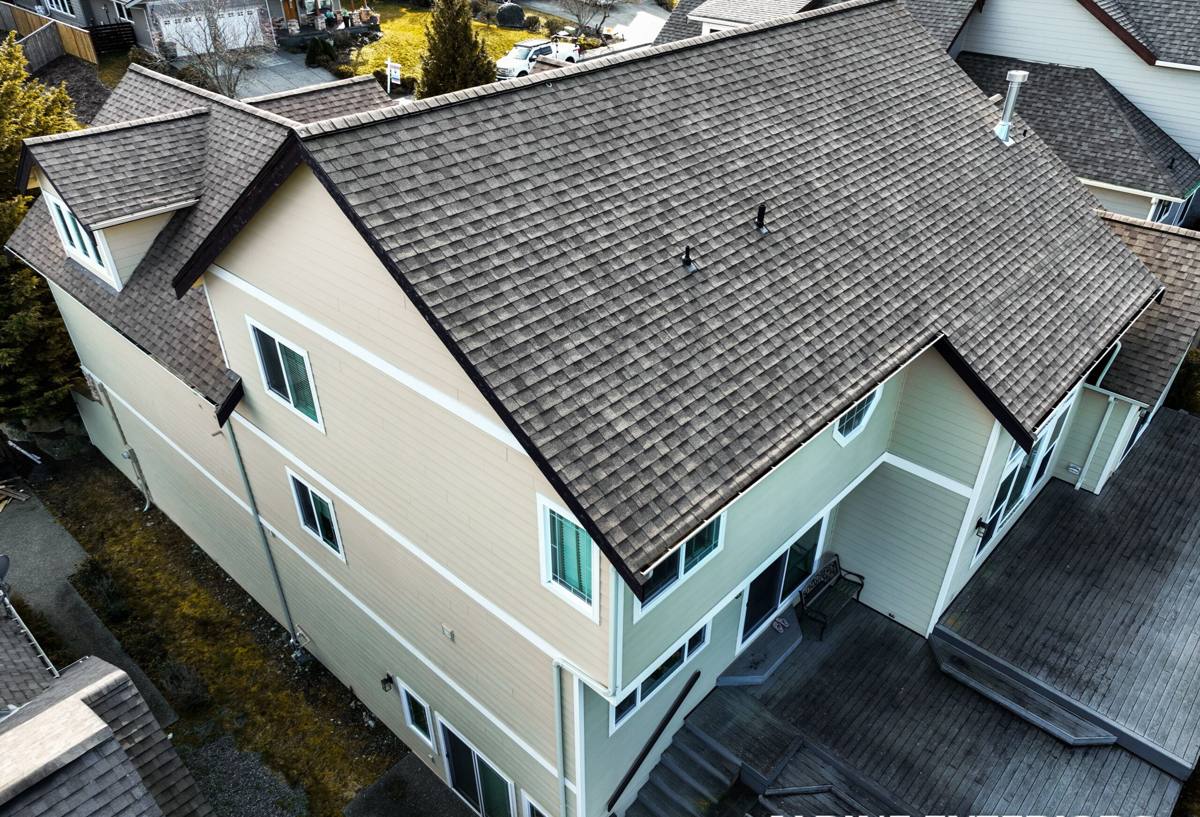
What Rosedale's Climate Actually Does to a Deck
UV and Heat
Florida sun is relentless on outdoor surfaces almost year-round. Cheaper composite boards, or boards installed without attention to color and cap-stock quality, can fade unevenly and get hot enough underfoot to be uncomfortable on a west- or south-facing deck in summer. Board selection and orientation matter more here than in most parts of the country.
Wind-Driven Rain and Humidity
Afternoon storms don't just wet the surface — wind-driven rain gets underneath railings, around post bases, and into any gap that wasn't flashed or sealed properly. Combined with Manatee County's humidity, any assembly that traps water instead of shedding it becomes a long-term moisture problem, even with boards that are themselves rot-resistant.
Hurricane-Force Wind Events
Composite decking itself isn't usually the failure point in a wind event — the framing, ledger connection, post anchoring, and railing attachment are. A deck that looks fine on day one but was fastened light or under-blocked at the substructure is the kind of thing that shows up as a costly surprise after the next named storm.
Salt-Influenced Air
Rosedale isn't beachfront, but Bradenton's overall proximity to the Gulf and Tampa Bay means salt-laden air still reaches inland neighborhoods, especially on windier days. Fasteners, brackets, and other hardware need to be rated for coastal exposure even here, not just at waterfront addresses.
What a Correct Composite Deck Installation Involves
A good composite deck is really three systems working together: the substructure, the decking surface, and the railing/fastening details. Skipping quality on any one of them undermines the whole project, no matter how good the board itself is.
- Substructure: Properly sized and spaced joists, correct joist spacing for the specific composite product (composite often needs tighter spacing than wood), and ledger attachment that's flashed and bolted — not just nailed — to the house.
- Moisture management: Joist tape or equivalent protection on top of framing, proper drainage slope, and gaps at board ends and picture-frame borders so water isn't trapped against end grain or hidden framing.
- Fastening: Hidden fastener systems or approved face-screws rated for the board manufacturer's warranty, using corrosion-resistant hardware suited to Gulf Coast air.
- Post and railing anchoring: Structural posts bolted through framing (never just surface-mounted to decking), sized and placed to meet current wind-load expectations for this region.
- Expansion gaps: Composite boards expand and contract with heat more than people expect in Florida summers — gaps that are too tight cause buckling; gaps that are too loose look sloppy and catch debris.
Choosing the Right Composite for a Rosedale Home
Not every composite product performs the same way in this climate. The honest tradeoffs come down to cap-stock quality, color, and how the manufacturer's warranty treats heat and moisture exposure — not marketing claims.
| Factor | Why It Matters Here |
|---|---|
| Cap-stock (fully wrapped board) | Resists fading and staining far better under year-round Florida UV than uncapped or partially capped boards. |
| Color choice | Darker boards absorb more heat and can be noticeably hotter underfoot on unshaded, south/west-facing decks. |
| Grain/texture pattern | Deeper texture hides water spotting and pollen/dust film between cleanings — a real factor with regular Gulf Coast rain. |
| Warranty terms | Read what's actually covered for fading, staining, and moisture — coverage varies more than people assume between product lines. |
| Board profile | Grooved boards for hidden fasteners install cleaner but need correct spacing; solid boards handle heavy furniture loads a bit better. |
We don't push one brand as universally "best." We look at the specific deck — orientation, sun exposure, how it'll be used — and recommend the product line that fits that reality, then install it to the manufacturer's actual specifications so the warranty stays valid.
Our Process on a Rosedale Composite Deck Project
1. On-Site Assessment
We look at sun exposure, existing structure (if it's a replacement), drainage around the footprint, and how the space will actually be used — dining, grilling, a pool deck extension — before talking about board options.
2. Design and Permitting
Manatee County and the Bradenton area have permitting and inspection requirements for deck construction, particularly around structural framing, railing height, and attachment to the home. We handle that process rather than leaving it to guesswork.
3. Substructure Build
This is where most long-term deck problems start or get prevented. We build and inspect the framing, ledger connection, and post anchoring before a single composite board goes down.
4. Decking and Railing Installation
Boards are installed to the manufacturer's fastener spacing, gap, and blocking requirements — the details that keep both performance and warranty coverage intact.
5. Final Walkthrough
We check fastener lines, board gaps, railing rigidity, and drainage under load before calling the job finished, and go over basic care with the homeowner.
Maintenance: What Composite Actually Saves You From (and What It Doesn't)
Composite decking removes the sanding-staining-sealing cycle that wood requires, but it isn't zero-maintenance in this climate. A quick seasonal routine keeps a Rosedale composite deck performing the way it should:
- Rinse or sweep off pollen, dust, and organic debris regularly — it holds moisture against the board surface if left to build up.
- Clean mildew or algae film with mild soap and water; humid, shaded areas of the deck are more prone to this than sun-exposed sections.
- Check railing posts and stair connections annually for any looseness, especially after a named storm or unusually high wind event.
- Keep planters and heavy furniture from sitting in one spot indefinitely — trapped moisture underneath can cause surface staining over time.
- Clear leaves and debris from between boards and around drainage points so water keeps moving off the deck surface.
Why a Crew That Already Works Rosedale Matters
A deck contractor who works this part of Bradenton regularly already knows Manatee County's permitting expectations, the wind-load and railing requirements local inspectors check for, and how differently a deck needs to be detailed depending on whether it's shaded by mature trees or sitting in full afternoon sun — both common in Rosedale. That local familiarity shows up in fewer inspection delays, fewer callbacks, and a deck that's actually built for the conditions it will sit in for the next fifteen-plus years, not a generic spec sheet.
It also means faster response if something does need attention down the road — a post that's worked loose after a storm, a board that needs replacing — from a company that has an ongoing presence in the area rather than a one-time out-of-town crew.
Signs an Existing Deck Needs Attention
If you're replacing rather than building new, watch for these signs that a deck's substructure — not just its surface boards — needs a closer look:
- Noticeable bounce or flex when walking across the deck
- Railing posts that shift or wiggle under hand pressure
- Visible gaps or rust at ledger-to-house connections
- Standing water that doesn't drain within a few hours after rain
- Fastener heads popping up or visible corrosion streaks on boards
Any of these point to framing or fastening issues that a new composite surface alone won't fix — the substructure needs to be addressed first.
Get a Straightforward Estimate
If you're considering a new composite deck or replacing an aging one in Rosedale, we're glad to take a look and talk through what your specific property needs — no pressure, no generic sales pitch. Use the form below to request a free estimate.