 Bradenton
 Why Bradenton Beach Homes Need Siding Built for the Coast
Bradenton Beach sits about as close to the elements as a home in Manatee County can get. Being on the barrier island puts every structure here in near-constant contact with salt-laden air, direct Gulf sun, and the kind of wind-driven rain that finds every gap a lesser siding job leaves behind. Add Florida's hurricane season and the wind loads that come with it, and you have a climate that is genuinely harder on exterior materials than most of the country ever deals with.
Siding on a Bradenton Beach home isn't just cosmetic. It's the first line of defense against moisture intrusion, wind uplift, and UV degradation, all happening at the same time, year after year. A siding installation that would hold up fine forty miles inland can fail here in a fraction of the time if it isn't specified and installed for coastal exposure. That's the standard we install to on every Bradenton Beach project — not a generic install, a coastal one.
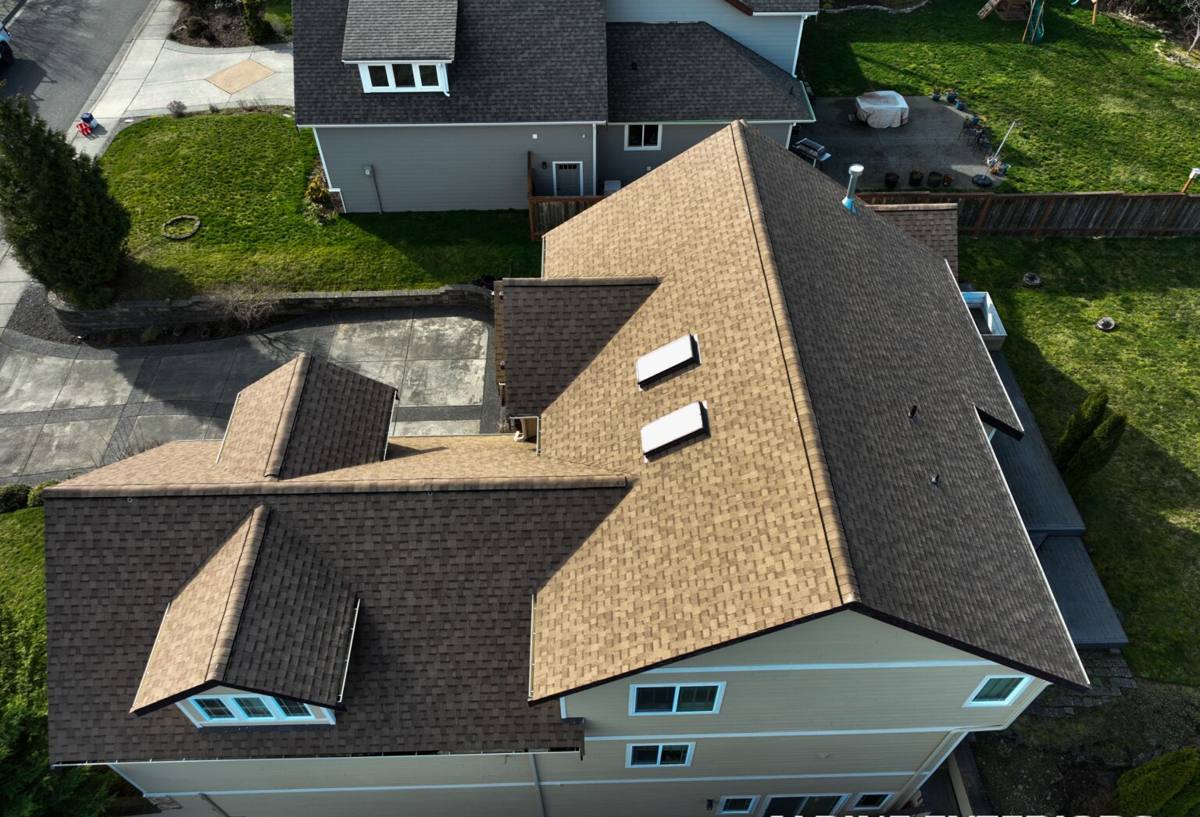
What a Correct Installation Involves in a Salt-Air, High-Wind Environment
Good siding installation is mostly invisible once the job is done — it's in the layers you don't see. On a barrier island home, those hidden layers matter more than almost anywhere else in Florida.
Weather-Resistive Barrier and Flashing Details
Every opening — windows, doors, vents, hose bibs — is a potential entry point for wind-driven rain. Correct installation means a continuous weather-resistive barrier, properly lapped and taped, with flashing installed to shed water outward at every penetration and horizontal transition. Skipping or rushing this step is the single most common cause of hidden moisture damage behind siding, and it's the step that's easiest for a crew unfamiliar with coastal conditions to underestimate.
Fastening for Wind Load
Fastener type, spacing, and embedment all change when you're building for hurricane-force wind resistance rather than a standard inland wind zone. Corrosion-resistant fasteners are non-negotiable this close to saltwater — standard fasteners can begin to corrode and stain the siding face within a few seasons in a salt-air environment. Manufacturer fastening schedules exist for a reason, and on a barrier island home we don't treat them as optional.
Why We Install Only James Hardie Fiber Cement
We made a decision as a company to install James Hardie fiber cement siding exclusively — not vinyl, not LP SmartSide, not Cemplank, not Allura, not primed wood. That's not a marketing position, it's a response to what actually holds up in coastal Florida conditions over the long run.
Engineered for This Climate
James Hardie's HZ product lines are formulated in different versions for different climate zones, and Florida homes fall under the HZ5 specification built for high-humidity, high-moisture exposure. Fiber cement itself is non-combustible and dimensionally stable — it doesn't expand, contract, and warp with heat and humidity swings the way some wood-based and engineered-wood products can. In a Gulf-facing community where the siding is exposed to sun, salt, and moisture simultaneously, that stability is the whole point.
ColorPlus Factory Finish
Intense, near-constant Florida UV is brutal on paint. James Hardie's ColorPlus finish is baked on and cured at the factory under controlled conditions, which gives it substantially better fade and wear resistance than field-applied paint, along with a stronger finish warranty. On a home that gets full sun exposure most of the year, that difference shows up in how the color looks five and ten years down the road, not just on install day.
Our Installation Process
Every Bradenton Beach project follows the same disciplined sequence, regardless of the size of the job:
- Inspection and substrate check. We assess the existing wall assembly for moisture damage, rot, or prior water intrusion before anything new goes up. Coastal homes especially need this step — problems get covered up, not fixed, if you skip it.
- Removal and prep. Old siding and damaged sheathing are removed and replaced as needed so the new system starts on a sound, dry substrate.
- Weather-resistive barrier and flashing. A continuous, properly lapped barrier goes on first, with flashing detailed at every window, door, and penetration.
- James Hardie panel or plank installation. Installed to manufacturer specification for fastener type, spacing, and clearances, including proper clearance from grade, roofing, and other surfaces to keep moisture from wicking into the material.
- Trim, caulking, and finish details. Joints and transitions are sealed correctly so water is directed out and away from the wall assembly, not trapped behind it.
- Final walkthrough. We review the finished job with the homeowner before calling it complete.
How James Hardie Compares to Other Siding Options
Homeowners on the island often ask us to explain the trade-offs between materials before committing. Here's an honest, side-by-side look at how the common options stack up under Bradenton Beach conditions specifically.
| Factor | James Hardie Fiber Cement | Vinyl | Wood / LP SmartSide |
|---|---|---|---|
| Wind resistance | Engineered and rated for high-wind zones | Can crack or blow off in sustained coastal wind | Adequate if installed correctly, sensitive to fastener backout over time |
| Salt air / moisture behavior | Dimensionally stable, resists moisture-driven warping | Doesn't absorb moisture but can warp or discolor in heat | Engineered wood and wood products are moisture-sensitive; edge swelling is a known risk if seams aren't sealed |
| UV / fade resistance | Factory-cured ColorPlus finish holds color | Can fade and become brittle under sustained UV | Field-applied paint fades faster and needs recoating |
| Combustibility | Non-combustible | Combustible | Combustible |
| Typical maintenance | Low — periodic cleaning, repaint on a longer cycle | Low but prone to visible wear near coastlines | Higher — caulking, painting, and moisture monitoring |
We're not going to tell you vinyl or wood siding "doesn't work" — plenty of it is out there doing its job. What we will tell you is that after years of installing and repairing siding on the coast, fiber cement is the material we're willing to put our name on for a barrier island home, and it's the only one we install.
Signs Your Bradenton Beach Home's Siding Needs Replacing
Coastal exposure accelerates wear, so it pays to check your siding more often than an inland homeowner would. Watch for:
- Visible cracking, buckling, or panels pulling away from the wall
- Soft or spongy spots when pressed, which usually indicate moisture has reached the substrate
- Persistent staining or streaking near seams and fastener points
- Paint or finish that's chalking, peeling, or noticeably faded compared to when it was installed
- Rust bleed from corroding fasteners
- Rising energy bills that suggest the wall assembly is no longer sealing properly
- Visible gaps at trim, corners, or window and door edges
Any one of these on its own might just need a repair. Several at once, especially on a home that's taken a few storm seasons of direct wind and salt exposure, usually means it's time to talk about full replacement before hidden damage gets worse.
Cost Factors for Siding Installation in This Area
Every Bradenton Beach home is different, so we don't quote a job without seeing it, but the same handful of factors drive pricing on nearly every project:
| Factor | Why It Matters |
|---|---|
| Home size and wall complexity | More square footage, more corners, dormers, and architectural detail all add labor time |
| Substrate condition | Rot or prior moisture damage found during removal means additional sheathing repair before new siding goes on |
| Product line and profile | Plank width, texture, and color selection within the James Hardie lineup affect material cost |
| Access and site conditions | Tight lots, multi-story sections, and coastal setback considerations can affect equipment and labor needs |
| Trim and detail work | Corner boards, window trim, and transition details add finish-carpentry time |
Why It Matters That We Already Work in Bradenton Beach
A crew that mostly works inland doesn't think about salt-air corrosion, wind-driven rain, or barrier island wind exposure by default — it's not part of their everyday routine. Working this stretch of Manatee County regularly means we're already accounting for those conditions in the fastener specs, the flashing details, and the product line we recommend, before a homeowner even has to ask.
It also means we understand what local permitting and wind-load requirements typically call for in this part of the county, so the job is planned to meet them from the start rather than getting flagged partway through. That local familiarity is part of what separates a siding job that holds up through the next several hurricane seasons from one that starts showing problems after the first.
Get a Straight Answer for Your Bradenton Beach Home
If your siding is showing wear, or you're planning ahead of the next storm season, we're happy to take a look and give you an honest assessment — no pressure, no upsell to a product we wouldn't put on our own homes. Request a free estimate below and we'll walk the property with you and talk through exactly what your home needs.