 Bradenton
 Siding on a Barrier Island Isn't the Same Job as Siding Inland
Bradenton Beach sits on Anna Maria Island, a strip of land with the Gulf of Mexico on one side and the Intracoastal on the other. That location is the whole reason a house here needs a different siding approach than a home ten miles inland in Manatee County. Every wall on this island is exposed to salt-laden air moving off the water almost constantly, to sun that beats down nearly year-round, and to wind that can shift from a stiff onshore breeze to hurricane force with very little warning. A siding product and installation method that works fine in a sheltered subdivision can fail years early on an island lot, and the failure usually shows up as something the homeowner didn't expect: chalking paint, swollen panel edges, corroded fasteners, or seams that have started to gap.
This page is about one service, in one place: fiber cement siding installation and replacement in Bradenton Beach. We're not going to give you a generic siding overview — we're going to walk through what the island's climate actually does to exterior walls, what a correct fiber cement job looks like in response, and why the installation matters as much as the material itself.
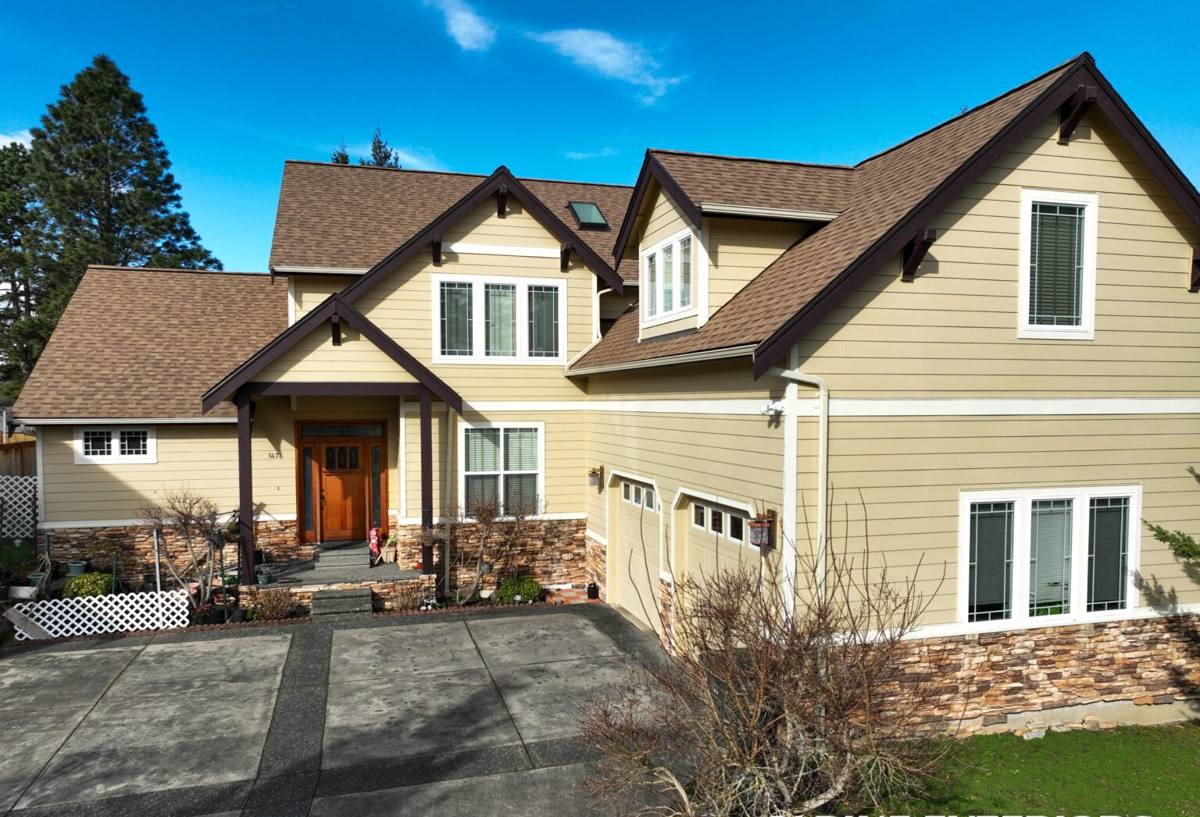
What Salt Air, UV, and Wind-Driven Rain Do to Siding Over Time
Salt Air
Airborne salt doesn't just sit on a surface — it works into seams, fastener heads, and any point where two materials meet. On metals, it accelerates corrosion. On paints and coatings, it accelerates breakdown of the finish, which is why homes closer to the Gulf side of the island often show fading and chalking sooner than homes just a few blocks inland. Fastener choice and coating quality matter more here than in almost any other part of the county.
UV Exposure
Florida sun is intense for most of the year, and a west- or south-facing wall on an open island lot gets very little relief from shade. UV breaks down pigments and resins in ordinary paint, which is why repainted siding on coastal homes often needs attention again within just a few years.
Wind and Wind-Driven Rain
Bradenton Beach falls within a high-velocity hurricane zone, and even routine summer storms here bring gusty, wind-driven rain that gets forced sideways into laps, corners, and penetrations. Siding that isn't fastened, flashed, and lapped correctly will let water behind the panels long before a named storm ever arrives — and once water gets behind siding on a humid barrier island, it doesn't dry out quickly.
Why We Install Only James Hardie Fiber Cement
We made a decision as a company to install James Hardie fiber cement siding exclusively — not vinyl, not LP SmartSide, not other fiber cement brands, not primed wood. On a barrier island job, that decision matters more than it would somewhere sheltered.
Vinyl's Weak Point Here
Vinyl siding is a petroleum-based product that softens in heat and becomes brittle with age and UV exposure. In a high-wind coastal zone, vinyl's wind ratings depend heavily on fastening pattern and panel condition, and a decade or more of intense sun leaves it more prone to cracking and blow-off in a storm. It's a reasonable product in many parts of the country; we don't think it's the right call for an exposed island lot.
Engineered Wood's Moisture Sensitivity
LP SmartSide and similar engineered-wood products perform well when kept dry and properly maintained, but they rely on an intact factory treatment and consistent field sealing at every cut edge. On a barrier island, where wind-driven rain finds every gap and humidity stays high for months at a time, that margin for error is thinner than we're comfortable with.
Fiber Cement Isn't All the Same
Other fiber cement brands exist, but formulation, factory finish quality, and engineering for specific climate zones vary. We standardized on James Hardie because it's a non-combustible fiber cement product with a factory-applied finish system designed for exactly the conditions this island experiences, backed by a warranty structure we can stand behind when we're the ones installing it.
The Right Hardie Product for This Island
James Hardie engineers its siding for specific climate zones, and Florida's Gulf Coast falls under Hardie's HZ10 climate designation — their formulation for hot, humid, storm-exposed regions. That's the version of Hardie board we install on Bradenton Beach homes, not a generic inland formulation.
ColorPlus Factory Finish
We strongly favor Hardie's ColorPlus finish over field-painted siding for coastal work. It's baked on in a controlled factory environment with UV-cured coatings, which gives it better fade and chalk resistance than most field-applied paint jobs — a real advantage against this island's sun exposure. Touch-up product is available for any nicks from installation or later impact, matched to the factory color.
Board Profile and Texture
Hardie offers several plank profiles and textures — smooth, cedarmill, and various reveal widths — plus panel and shingle products for accent areas. The right choice depends on the home's architectural style and how much of the island's weather a given elevation actually takes on.
What a Correct Installation Involves
Fiber cement siding is only as good as the installation behind it. Most siding failures we get called to look at, on this island and elsewhere, trace back to installation shortcuts rather than the board itself. On a coastal job, the details below aren't optional extras — they're what keeps water and wind out.
| Installation Factor | Why It Matters in Bradenton Beach |
|---|---|
| Fastener type and spacing | Corrosion-resistant fasteners at Hardie's specified spacing hold panels through high wind loads and resist salt-air corrosion |
| Weather-resistive barrier | A properly lapped and sealed barrier behind the siding is the last line of defense when wind-driven rain gets past the surface |
| Flashing at penetrations | Windows, vents, hose bibs, and utility penetrations are where wind-driven rain intrudes most often if flashed incorrectly |
| Clearance above grade, roofs, and decks | Hardie specifies minimum clearances to keep splashback and standing moisture off the bottom edge of the siding |
| Joint and butt-seam treatment | Caulked or flashed seams keep humid island air and rain from working into panel ends over time |
| Field-cut edge sealing | Any cut edge needs sealing per manufacturer spec so exposed fiber cement doesn't wick moisture |
Why This Level of Detail Matters More Here
Inland, a minor flashing shortcut might take years to show a problem. On an island lot facing near-constant salt air, sun, and periodic tropical weather, the same shortcut shows up much sooner — and repairs mean re-opening finished wall assemblies that should have been done right the first time.
Our Process, Start to Finish
- On-site assessment — we look at existing siding, sheathing condition, and any signs of past water intrusion, which is common on older island homes
- Product and color selection — HZ10 Hardie board, profile, and ColorPlus color chosen for the home's exposure and style
- Removal and substrate check — old siding comes off and we inspect sheathing before anything new goes up; damaged sheathing gets addressed before siding, not covered over
- Weather barrier and flashing installation — the unseen layer that does the real waterproofing work
- Siding installation to manufacturer spec — correct fastening, clearances, and joint treatment throughout
- Final detailing — trim, caulking, touch-up, and a walkthrough before we consider the job done
What Affects the Cost of a Bradenton Beach Siding Job
We won't quote a number here — every home is different — but these are the factors that actually move the price on an island job, so you can ask informed questions when you get an estimate.
| Factor | How It Affects Scope |
|---|---|
| Home size and wall complexity | More corners, dormers, and trim detail mean more labor and material waste |
| Existing siding removal | Multiple layers of old material or damaged sheathing add demolition and repair time |
| Substrate condition | Rot or moisture damage found underneath existing siding needs repair before new siding goes on |
| Product profile and finish | Panel style, texture, and ColorPlus color selection carry different material costs |
| Access and site conditions | Narrow island lots, elevated homes, and limited staging space can affect labor time |
| Trim and accent work | Soffit, fascia, and accent shingle areas add scope beyond the main field siding |
Living With Hardie Siding on the Island
One reason we like fiber cement for this location is how little upkeep it asks for once it's installed correctly, especially with a factory ColorPlus finish. That said, a few habits extend its life even further in this environment.
- Rinse salt residue off exterior walls periodically, especially after long dry spells with no rain to wash it away naturally
- Keep gutters and downspouts clear so water is directed away from the base of the siding rather than sheeting down the wall
- Trim vegetation back from exterior walls to maintain airflow and reduce trapped moisture
- Have caulking at trim joints and penetrations inspected every few years, since caulk is the one component that wears faster than the siding itself
- After any major storm, walk the exterior and look for loose panels, damaged trim, or gaps at corners before small issues become bigger ones
Why Local Experience on This Island Matters
A crew that mostly works inland Manatee County jobs may rarely deal with the specific combination of conditions on Bradenton Beach: salt exposure, high wind zone requirements, elevated or piling-supported homes, and tight island lots. We work this island regularly, which means we're used to the access challenges of its lots, the wind-zone expectations that apply here, and the particular ways this climate stresses exterior materials. That experience shows up in the details — the flashing choices, the fastening pattern, the clearances — more than in anything visible from the curb.
Get a Straightforward Estimate
If your Bradenton Beach home needs new siding or you're planning ahead for a replacement, we're happy to take a look and walk you through what we see — no pressure, no hard sell. Use the form below to request a free estimate, and we'll talk through what your home actually needs given its exposure and condition.