 Bradenton
 Building Decks for Bradenton Beach's Coastal Conditions
Bradenton Beach sits about as close to the Gulf as a Manatee County property can get, and that proximity changes what a deck has to survive. This isn't a deck built for a shaded backyard in a landlocked subdivision. It's a structure that will spend every day of its life exposed to salt-laden air, intense sun, wind-driven rain, and the occasional direct hit from a tropical system. Building a deck here means designing and fastening it differently than you would fifty miles inland, and it means being honest with homeowners about what that costs and why it matters.
We work on decks throughout Bradenton and the barrier island communities, and Bradenton Beach specifically presents a concentrated version of every challenge exterior contractors deal with along this coastline. Getting a deck right here is less about style and more about material selection, fastener choice, and structural detailing that holds up under repeated coastal stress.
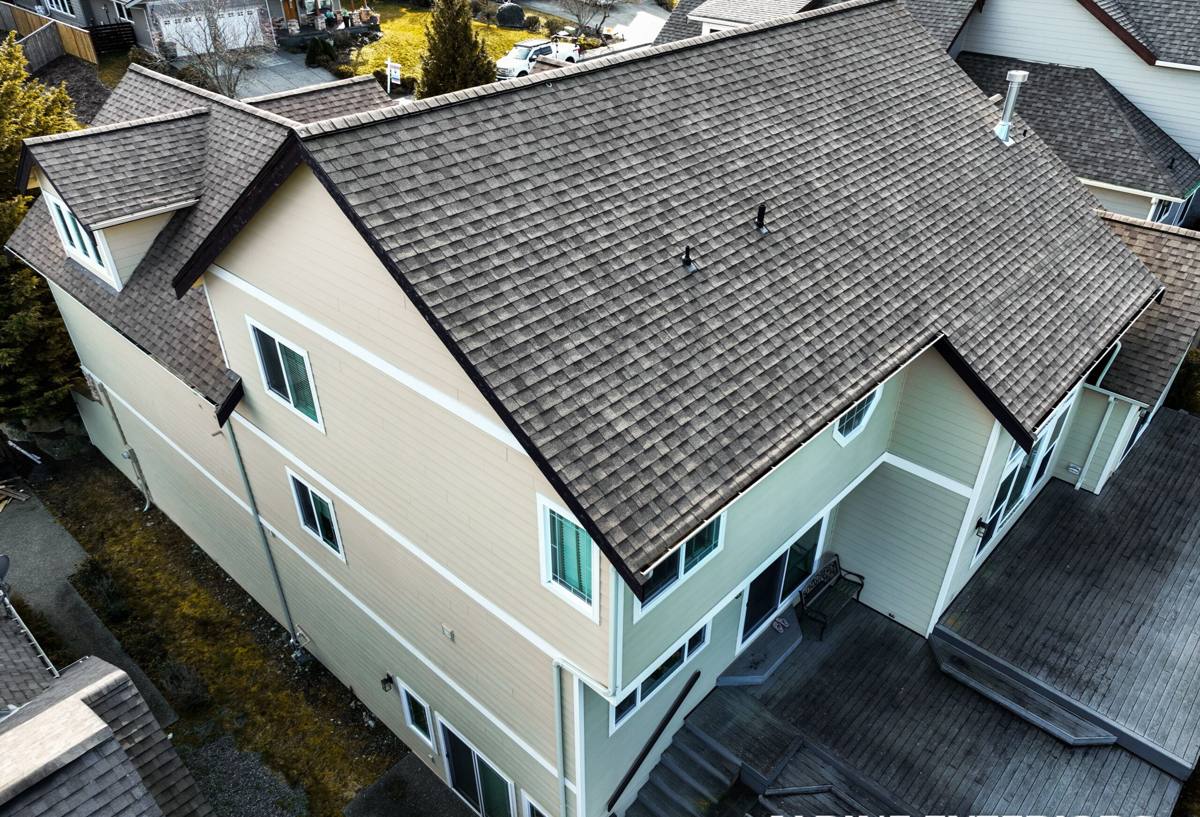
What the Local Climate Actually Does to a Deck
It helps to be specific about the forces at work, because each one attacks a deck differently.
Salt Air and Corrosion
Airborne salt doesn't need a storm to reach a structure — it's present in the humidity every day, and it accelerates corrosion on any metal component that isn't rated for coastal exposure. Standard interior-grade fasteners, brackets, and hardware will rust and weaken years before a homeowner expects a deck to need attention. This is the single most common failure point we see on older decks near the beach: the wood may look fine, but the hidden hardware holding it together has already started to fail.
UV Exposure
Florida sun is intense nearly all year, and a deck has no roofline or siding to shield it. UV breaks down wood fibers, dries out and cracks composite capstock over time, and fades stains and finishes faster than manufacturers' literature (written for more temperate climates) usually accounts for. A deck here needs a finish or material chosen with that reality in mind, and a realistic maintenance schedule to match.
Wind-Driven Rain and Moisture Cycling
Rain in this region rarely falls straight down — Gulf breezes push it sideways, driving water into joints, fastener holes, and ledger connections that a north-facing deck elsewhere might never see. Add Florida's humidity, and wood framing goes through constant wet-dry cycling. That cycling is what causes cupping, splitting, and rot at connection points long before the boards themselves wear out.
Hurricane-Force Wind Loads
Manatee County's building code reflects the real risk of tropical systems, and a deck attached to a home is a structural element, not just an outdoor surface. Ledger attachment, post connections, and railing anchoring all need to be engineered to resist uplift and lateral wind loads, not just support foot traffic. A deck that looks solid on a calm day can still be under-attached for what this coastline sees during storm season.
What a Correct Deck Build Involves Here
A deck that's going to last on Bradenton Beach isn't just a matter of picking nicer boards. It's a full-system approach:
- Structural framing rated for the wind exposure category and load requirements that apply to coastal Manatee County properties
- Ledger board attachment to the home using flashing and fastening details that keep wind-driven rain from working its way behind the connection
- Corrosion-resistant hardware — stainless steel or coated fasteners and connectors rated for coastal/marine exposure, not standard galvanized hardware
- Post and footing depth sized for both load-bearing capacity and the uplift resistance required in high-wind zones
- Decking material selection that matches the homeowner's maintenance appetite against UV and moisture realities
- Railing systems anchored to resist lateral loads, since railings take real force during storms and everyday use alike
- Proper drainage and airflow underneath the deck so trapped moisture doesn't sit against framing between rains
Skip any one of these and the deck may look complete on install day while quietly setting up for an early failure — usually one that shows up as a soft spot, a rust stain, or a loose railing a few years down the road, not immediately.
Decking Material Options: An Honest Comparison
There's no single "best" decking material for every homeowner — it depends on budget, how much upkeep you want to do, and how long you plan to own the property. Here's how the common options actually perform in this specific climate:
| Material | Coastal Durability | Maintenance | Typical Trade-Off |
|---|---|---|---|
| Pressure-treated wood | Good if properly sealed and re-sealed | High — annual inspection and periodic re-staining | Lowest upfront cost, shortest interval between refinishing in salt air and sun |
| Tropical hardwoods (e.g., ipe-type species) | Very good natural resistance to rot and insects | Moderate — periodic oiling to maintain color and prevent surface checking | Higher material cost and heavier installation requirements |
| Composite decking | Good, but capstock quality varies by product line | Low — occasional washing, no staining | Higher upfront cost; some lower-tier composites show UV fading and heat retention issues |
| PVC decking | Very good — doesn't absorb moisture, resists salt corrosion | Low | Highest material cost; appearance is more uniform/synthetic than wood-look composites |
We'll walk through this table in person against your actual budget and how the deck will be used — a rental or investment property has different priorities than a forever home.
Hardware and Fasteners: The Part Nobody Sees But Everyone Should Ask About
This is worth its own section because it's where corners get cut in ways homeowners can't easily inspect after the fact. Standard electro-galvanized screws and joist hangers are built for general framing, not for a structure that sits in salt-humid air year-round. Within a few seasons near the Gulf, that hardware can start corroding from the inside of connections — exactly where you can't see it without pulling boards.
Our standard for Bradenton Beach builds is stainless steel or coastal-rated coated fasteners and connectors throughout — ledger bolts, joist hangers, post bases, and structural screws. It costs more than standard hardware, and we tell homeowners that upfront rather than letting it be a hidden line item. It's also the single most cost-effective decision in the whole build, because replacing corroded structural hardware later means partially tearing the deck apart to get at it.
Our Process for a Bradenton Beach Deck Project
- On-site assessment — we look at sun exposure, prevailing wind direction, drainage around the home, and how close the site sits to salt air and standing water
- Design and material walkthrough — we go over decking, hardware, and railing options against your budget and maintenance preferences, no pressure toward the most expensive option
- Permitting — Manatee County and local jurisdiction requirements are handled as part of the project, including any flood zone or setback considerations that apply to the property
- Structural build — footings, framing, and ledger attachment done to the load and wind-resistance specifications the site requires
- Decking, railing, and finish work — installed per manufacturer specifications, since coastal warranty coverage often depends on correct installation method
- Final walkthrough — we go over what maintenance the specific materials chosen will need and on what schedule, so there are no surprises in year two or three
Maintenance Reality for a Coastal Deck
Every deck on Bradenton Beach needs more attention than the same deck would need thirty miles inland — that's just the trade-off of coastal living. What that attention looks like depends on the material:
- Rinse salt residue and debris off the deck surface periodically, especially after storms with onshore wind
- Inspect fastener heads and railing connections at least once a year for early corrosion signs
- Re-seal or re-stain wood decking on the schedule appropriate to the product — don't wait until finish is visibly failing
- Check under-deck drainage paths to make sure debris isn't trapping moisture against framing
- Have railing and post connections checked after any major storm event, even if there's no visible damage
None of this is unusual or alarming — it's simply what coastal ownership requires, and we make sure homeowners know what to expect before the project starts, not after.
Why Local Experience on Bradenton Beach Specifically Matters
A crew that mostly builds decks inland will often default to standard hardware, standard fastening schedules, and standard material assumptions — because that's what works where they usually work. On Bradenton Beach, those defaults fall short. Knowing which fasteners actually hold up in this air, how local wind exposure categories apply to a given lot, and which materials are worth the added cost here versus elsewhere isn't something you learn from a manual — it's something you learn by building and maintaining decks in this specific environment over time.
We also know the permitting realities of building in Manatee County's coastal zones, which can save real time compared to a contractor working through it for the first time. That familiarity translates directly into fewer surprises during the build and a deck that's actually specified correctly for where it sits, not just built to a generic standard.
Signs an Existing Bradenton Beach Deck Needs Attention
If you already have a deck rather than building new, watch for these signs that coastal conditions are catching up with it:
- Rust staining bleeding through around screw heads or metal connectors
- Railing posts that feel loose or flex more than they used to
- Soft or spongy spots in decking boards, particularly near the house connection
- Visible gaps opening up at the ledger board where the deck meets the home
- Faded or chalky finish on wood decking that hasn't been resealed recently
Any of these is worth a professional look before it becomes a safety issue rather than a maintenance item.
Getting Started
Whether you're planning a new deck or need an honest assessment of one that's already showing its age, we're glad to come take a look and talk through what your property actually needs. Reach out for a free, no-pressure estimate using the form below.