 Bradenton
 Braden River's Climate Is Hard on Siding — Here's Why
Homes in Braden River sit in one of the more demanding climates in the country for exterior building materials. Manatee County gets a combination most regions never have to deal with at once: hurricane-force wind events, near-constant UV exposure, wind-driven rain that gets pushed sideways into wall assemblies, and salt-laden air drifting in off the Gulf and the many waterways that thread through this part of the county. Any one of those factors will wear down a low-grade siding product over time. Together, they compound fast.
UV breaks down pigments and resins, which is why cheaper siding fades unevenly and starts to look chalky within a few years. Wind-driven rain finds every gap in flashing, trim, and seams, and once moisture gets behind siding it doesn't leave easily in Florida's humidity — it sits there and does damage from the inside out. Salt air accelerates corrosion of fasteners and hardware, and it's harsher on organic or wood-based products than most homeowners expect. Add tropical storm and hurricane wind loads, and you have a climate that punishes any siding installed without the right materials and the right technique.
This page is specifically about replacing siding on homes in the Braden River area — not a general overview. If your siding is cupping, cracking, staining, or just looking tired, the information below covers what's actually going on, what a correct replacement involves, and how we handle the job for homeowners in this part of Bradenton.
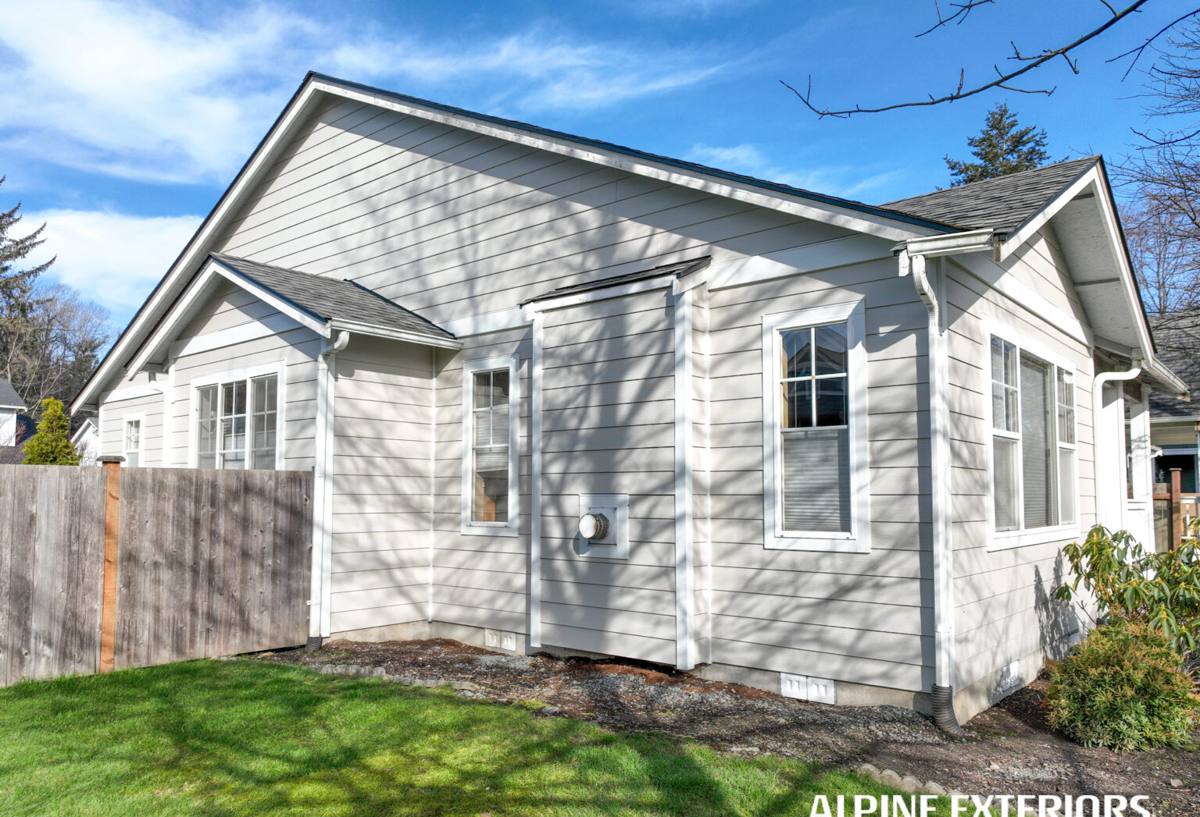
Signs a Braden River Home Needs Siding Replacement, Not a Patch
Not every siding problem calls for a full replacement, but in this climate, small issues tend to escalate quickly if the underlying material or installation was already compromised. Common signs we see on homes in this area include:
- Visible cupping, warping, or bowing in siding panels or boards
- Soft or crumbling spots, especially near the bottom courses and corners
- Paint that's peeling, bubbling, or has faded unevenly across a wall
- Persistent staining or dark streaking that keeps coming back after cleaning
- Visible gaps at seams, corners, or around windows and doors
- A musty smell or interior wall staining that suggests moisture is getting behind the siding
- Siding that flexes or feels hollow when pressed
If you're seeing more than one or two of these, it's usually a sign that moisture has already worked its way into the wall assembly, not just the surface. At that point, patching a section rarely solves the underlying problem — the substrate, house wrap, or flashing beneath the siding may already be compromised, and a full replacement is the only way to actually fix it rather than mask it for a season or two.
What a Correct Siding Replacement Actually Involves
Siding replacement is not just pulling off old boards and nailing up new ones. In a climate like Manatee County's, the parts most homeowners never see are what determine whether the job holds up through the next decade of storms. A correct replacement includes:
Tear-off and substrate inspection
Removing the old siding down to the sheathing lets us actually see what's underneath — rot, insect damage, or water staining that was hidden. Any compromised sheathing gets addressed before anything new goes up. Installing new siding over a damaged substrate just locks the problem in.
Water-resistive barrier
A properly installed house wrap or weather-resistive barrier is the layer that actually keeps wind-driven rain out of the wall cavity. Seams, laps, and penetrations all need to be sealed and shingled correctly — this is one of the most commonly rushed steps on lower-quality jobs, and it's usually the reason a home develops moisture problems years later even though the siding itself looks fine from the street.
Flashing at every penetration
Windows, doors, roof-to-wall transitions, and any wall penetration need proper flashing that directs water outward and downward, not into the wall. In a wind-driven rain climate, flashing detail is not optional trim work — it's structural to keeping the home dry.
Correct fastening for wind zones
Manatee County's wind-load requirements mean fastener type, spacing, and placement all matter. Manufacturer installation instructions specify fastening patterns for a reason, and deviating from them is one of the most common causes of siding failure in storm events — panels lift, blow off, or crack at fastener points.
Trim, caulking, and finish details
The visible finish work — corner boards, trim, caulking at joints — is what protects the edges and seams from water intrusion long after the crew leaves. Done right, it also just looks better and holds paint or finish longer.
Why We Only Install James Hardie Fiber Cement Siding
We made a decision early on to install only James Hardie fiber cement siding, and we don't deviate from that for any home we work on — including in Braden River. That's not a marketing angle; it's a standard we hold because we've seen what this climate does to other siding materials over time.
Vinyl siding softens and can warp in prolonged high heat, and it's rated for lower wind speeds than what this area regularly sees during storm season. It also can't be painted a dark color in direct Florida sun without risking distortion, which limits real design options for homeowners who want a specific look. LP SmartSide, primed spruce, and cedar are wood-based products — and wood-based siding, no matter how well it's treated, is more vulnerable to the moisture cycling and humidity that's constant here. Even with good maintenance, engineered wood and untreated wood products carry a higher long-term risk of swelling, delamination, or rot in a climate that rarely gives materials a chance to fully dry out.
James Hardie fiber cement is non-combustible, dimensionally stable in heat and humidity, and engineered specifically for climates like this one — the HZ5 product line is formulated for Florida's exact combination of moisture and temperature swings. Hardie's ColorPlus finish is a factory-applied, baked-on finish that holds color and resists fading far better than field-applied paint, which matters enormously under Florida's UV load. It also carries a strong transferable limited warranty when installed to Hardie's specifications — which is exactly why correct installation, not just correct material, is the other half of this page.
We're upfront that Hardie costs more upfront than vinyl or engineered wood siding. Our position is that the total cost of ownership — repainting frequency, storm resilience, moisture performance, and lifespan — favors fiber cement in this climate, and that's the trade-off we ask homeowners to weigh.
Our Siding Replacement Process for Braden River Homes
- On-site assessment. We walk the exterior, check current siding condition, look for signs of moisture intrusion, and note any wall areas that need closer inspection once tear-off begins.
- Proposal and product selection. We walk you through Hardie plank profiles, textures, and ColorPlus color options, and give you a written scope covering tear-off, substrate work if needed, water-resistive barrier, flashing, siding, and trim.
- Tear-off and substrate check. Old siding comes off, sheathing is inspected, and any repairs are addressed and documented before moving forward.
- Barrier and flashing installation. House wrap, flashing at all penetrations, and window/door detailing go in per manufacturer and code requirements for this wind zone.
- Hardie siding installation. Panels or planks are installed following James Hardie's fastening specifications for the applicable wind exposure.
- Trim, caulking, and final finish. Corner boards, trim, and sealant details are completed and inspected.
- Final walkthrough. We go over the finished work with you before calling the job complete.
What Affects the Cost of a Siding Replacement
Every home is different, but the factors that drive cost on a Braden River siding project are fairly consistent. This isn't a price list — it's a guide to what actually moves the number up or down.
| Factor | Why it matters |
|---|---|
| Home size and wall area | More square footage means more material and labor hours |
| Number of stories | Multi-story homes require more staging, scaffolding, or lift equipment |
| Current siding condition | Hidden rot or sheathing damage found during tear-off adds repair scope |
| Siding profile and texture | Lap width, shingle-style, and panel options vary in material cost |
| Trim and accessory work | Corner boards, window trim, and fascia detail add labor |
| Color selection | Factory ColorPlus finishes vs. standard primed options affect material pricing |
| Access and site conditions | Landscaping, fencing, or tight lot lines can affect labor time |
Why It Matters to Hire a Crew That Already Works in Braden River
Siding installation quality varies enormously between crews, and it's not something you can fully judge just by looking at the finished wall from the street. A crew that regularly works Manatee County homes already knows the wind-load requirements for this area, understands how to detail flashing for the humidity and rain patterns here, and has already worked through the local permitting process. That familiarity shows up in the details — the parts of the job you won't see once the siding is up, but that determine whether it survives the next major storm.
It also matters for follow-through. A local contractor is accountable to homeowners they'll run into again, and is available if a warranty question or minor issue comes up after the job is done — not a crew that worked through the area once and moved on.
Keeping New Siding Performing Long-Term
Once new Hardie siding is installed correctly, upkeep is minimal compared to other materials, but a few habits go a long way in this climate:
- Rinse siding periodically to clear salt residue and airborne debris, especially on homes closer to open water
- Keep an eye on caulking at trim joints and re-seal if it starts to crack or pull away
- Trim back landscaping and irrigation spray so it's not hitting siding directly or keeping it constantly damp
- Have gutters checked and cleaned so overflow isn't running down or pooling against the siding
- After major storms, do a visual check for lifted panels, cracked trim, or new staining
If you're seeing signs of wear on your Braden River home's siding, or you're planning ahead of the next storm season, we're happy to take a look and walk you through what we're seeing — no pressure, no obligation. Reach out using the form below for a free estimate.