 Bradenton
 Roof Repair Built for Braden River's Climate
Braden River sits along one of Bradenton's most water-influenced corridors, and that proximity to the river and to Manatee County's broader coastal exposure shapes how roofs age here. A roof in this neighborhood isn't just shedding rain — it's absorbing months of intense UV, cycling through sudden afternoon downpours, and periodically taking a direct hit from hurricane-force wind. Salt-laden air drifting in from the Gulf adds a slow corrosive pressure on fasteners, flashing, and metal components that inland Florida roofs simply don't deal with to the same degree.
Roof repair here has to account for all of that at once. A patch that would hold up fine in a drier, calmer climate can fail within a season in Bradenton if it doesn't account for wind uplift, ponding, or metal fatigue. Our approach to Braden River roof repair starts with understanding what actually caused the damage — not just covering the symptom.
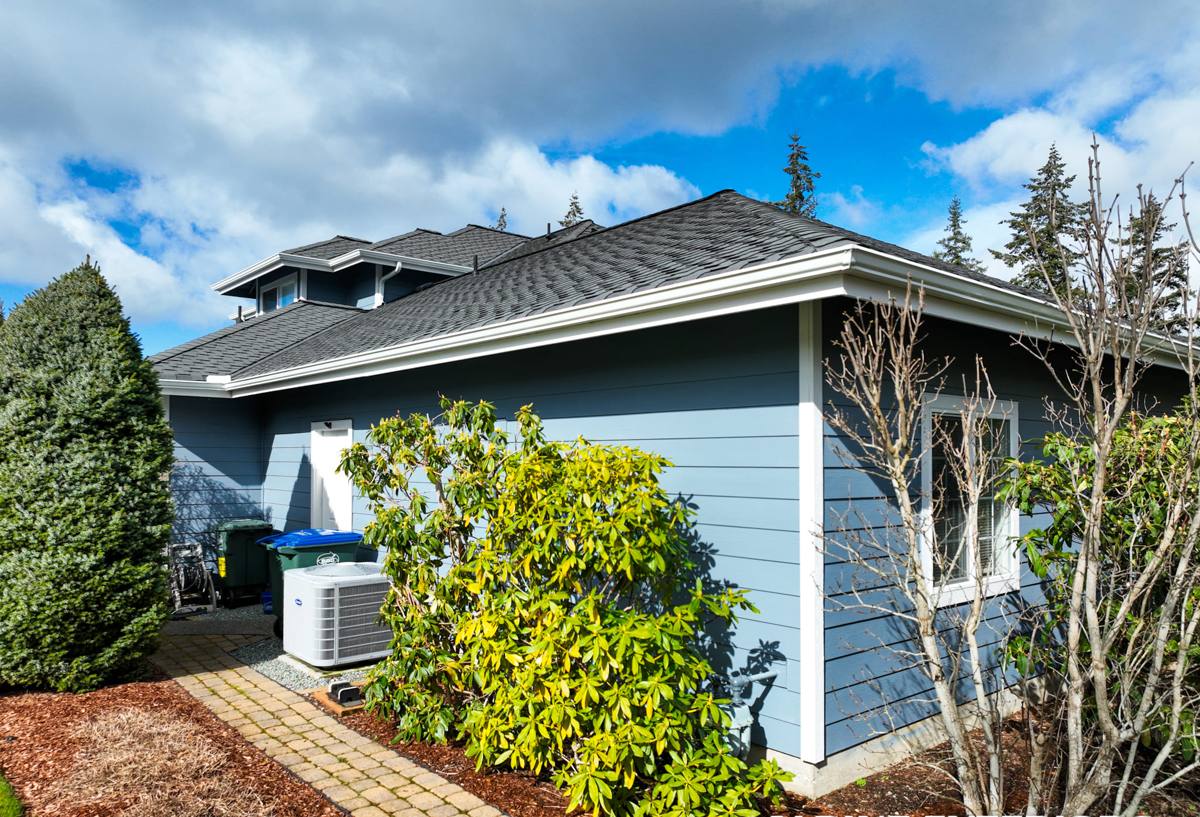
What Local Roofs Are Up Against
Hurricane-Force Wind
Wind doesn't just tear shingles off in a storm — it works roofing loose over years of lesser gusts, lifting edges and tabs just enough to break the seal without visibly displacing anything. By the time a homeowner notices a lifted shingle or a loose ridge cap, the underlayment beneath it has often already been exposed to moisture for a while.
Year-Round UV Exposure
Florida's UV load is relentless. Asphalt shingles lose oils and become brittle faster here than in most of the country, tile roofs can see their underlayment degrade even while the tiles themselves look fine, and flat or low-slope roofing membranes chalk and crack under sustained sun. UV damage is often invisible from the ground, which is why so many repair calls come in only after a leak has already started.
Wind-Driven Rain
Rain that falls straight down is rarely the problem — rain pushed sideways by wind is. It finds its way under shingle tabs, around improperly sealed flashing, and into any gap that would be irrelevant in calm weather. This is one of the most common causes of Braden River leaks that show up during or right after a storm even when the roof "looked fine" beforehand.
Salt Air Corrosion
Even set back from the immediate coastline, homes throughout the Bradenton area are exposed to salt content in the air that accelerates corrosion on nails, screws, vent boots, and metal flashing. A repair that uses the wrong fastener or flashing material can start failing years before the surrounding roofing does.
Common Repair Calls We See in Braden River
Most repair jobs we handle in this neighborhood fall into a handful of recurring categories:
- Wind-lifted or missing shingles after a storm, often concentrated at ridges, edges, and valleys where uplift forces are highest
- Flashing failures around chimneys, skylights, and wall intersections, usually from sealant breakdown or corrosion rather than the flashing itself being torn off
- Cracked or slipped tiles on tile roofs, sometimes from foot traffic (an HVAC tech, a satellite installer) rather than weather
- Ponding and membrane cracking on flat or low-slope sections, common on additions, lanai roofs, and porch extensions
- Soft or stained decking discovered once a leak is traced back to its source, which is often several feet from where the water actually shows up inside
- Deteriorated pipe boots and vent seals — small components that cause a disproportionate share of leak calls
What a Correct Repair Actually Involves
A roof repair that lasts starts with tracing the leak or damage to its actual source, not just the point where water is showing up. Water travels along the underside of decking and down rafters before it appears as a stain on a ceiling, so the visible damage and the entry point are often in different places entirely.
Once we've found the source, a proper repair means:
- Removing damaged or compromised material back to sound roofing — not just layering a patch over a weak spot
- Checking the decking underneath for soft spots, rot, or delamination before anything gets covered back up
- Replacing underlayment in the repaired section, since old or UV-degraded underlayment won't hold up even under new shingles or tile
- Matching materials as closely as possible so the repair doesn't create a visible or performance mismatch
- Re-securing and re-sealing flashing, boots, and penetrations with materials rated for coastal, high-UV conditions
- Confirming the repair ties in correctly with the surrounding roofing so water sheds the way the whole system was designed to shed it
Skipping any of these steps is how a $400 repair turns into a $4,000 one a year later.
Our Process
1. Inspection and Diagnosis
We start with a full inspection, not just a look at the reported problem area. A leak in one spot is sometimes a symptom of wear happening across the whole roof, and we'd rather tell a homeowner that up front than have them pay for a repair that doesn't address the real issue.
2. A Straightforward Explanation
We explain what we found, what's causing it, and what the realistic options are — repair now, repair with a plan to monitor other areas, or, if the roof is genuinely past the point where repair makes sense, an honest conversation about replacement. We're not going to sell a repair on a roof that needs more, and we're not going to push a replacement when a repair will hold.
3. The Repair Itself
Work is done to match the existing roofing system — same or compatible materials, proper fastening for wind exposure, and flashing and sealants suited to salt air and UV conditions rather than generic products that won't hold up as long here.
4. Documentation
We document the work performed, which matters if the damage is storm-related and a homeowner is working with an insurance carrier, and it gives the homeowner a record of what was done for future reference.
Repair vs. Replacement — Key Factors
Not every damaged roof needs to be replaced, and not every leak can be permanently solved with a repair. These are the factors that typically drive that decision:
| Factor | Favors Repair | Favors Replacement |
|---|---|---|
| Age of roof | Under 10-15 years, or well-maintained | Near or past manufacturer-rated lifespan |
| Extent of damage | Isolated to one section or component | Spread across multiple areas or slopes |
| Underlayment condition | Still intact beyond the repair zone | Widely brittle or failing from UV exposure |
| Decking condition | Sound, no widespread rot | Soft or delaminated in multiple spots |
| Repair history | First or infrequent repair | Recurring repairs in different areas |
| Storm damage pattern | Concentrated, clearly defined | Diffuse wind or hail damage across the roof |
When a roof is genuinely a repair candidate, we say so — a well-executed repair on a fundamentally sound roof is the more honest and more cost-effective answer.
Materials and Why We Choose What We Choose
For asphalt shingle repairs, we favor products with strong wind-rating and sealant performance suited to Florida's UV and storm cycle, matched as closely as possible to the existing roof. For tile repairs, matching profile and color matters both for appearance and for making sure water continues to shed correctly across the field of tiles. For flashing and metal components, we prioritize corrosion-resistant materials given the salt air throughout the Bradenton area — a cheaper fastener or flashing might look identical on install day but fail years sooner near the coast.
We don't chase the lowest-cost material option on a repair, because a repair that fails in two years costs the homeowner more in total than one built to hold for the long term. That's a standard we hold to regardless of what's easiest to source.
Permitting, Codes, and Insurance in Manatee County
Roofing work in Manatee County is subject to local permitting and building code requirements, and those requirements exist largely because of the wind exposure this region faces. Repairs beyond minor maintenance typically require a permit and inspection, and using code-compliant materials and installation methods matters both for durability and for any future insurance claim or home sale. If damage is storm-related, proper documentation of the repair — photos, scope of work, materials used — also supports any insurance claim tied to that event.
Signs Your Braden River Roof Needs a Repair Call
- Water stains on ceilings or upper interior walls, especially after wind-driven rain
- Missing, curling, or cracked shingles visible from the ground
- Cracked, slipped, or displaced tiles
- Granules collecting in gutters or at downspout outlets
- Soft spots or noticeable sagging in any section of the roof
- Visible daylight through the attic decking
- Rust streaking or corrosion around flashing, vents, or metal edges
- A musty smell or visible mold in the attic space
Any one of these is worth a call before the next storm season, not after it.
Why It Matters to Hire a Crew That Already Works Braden River
A crew that regularly works in and around Braden River and greater Bradenton already understands how the river's proximity, salt air, and storm patterns affect roofing decisions here — which materials hold up, which fastening methods matter most for wind resistance, and which flashing details tend to fail first in this specific environment. That local familiarity means fewer surprises, more accurate diagnosis, and repairs built for the conditions the roof will actually face, not generic conditions from somewhere else in the state.
It also means faster response after storm events, when a lot of homeowners across the area are trying to get a roof looked at at the same time. A contractor already established in the neighborhood is better positioned to get to a leak before it becomes a bigger problem.
Get a Free, No-Pressure Estimate
If you're dealing with a leak, storm damage, or a roof that's just showing its age, we're happy to take a look and give you a straight answer about what it needs — repair or otherwise. Fill out the form below to request a free estimate for your Braden River home.